
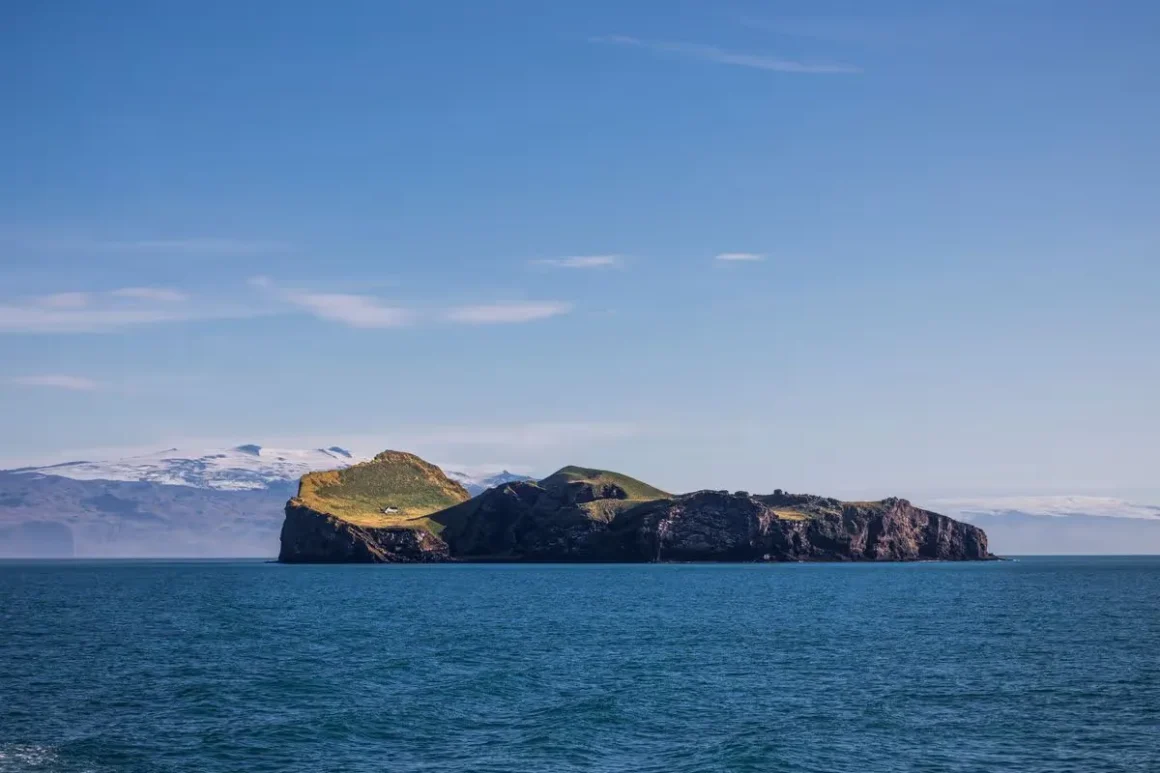
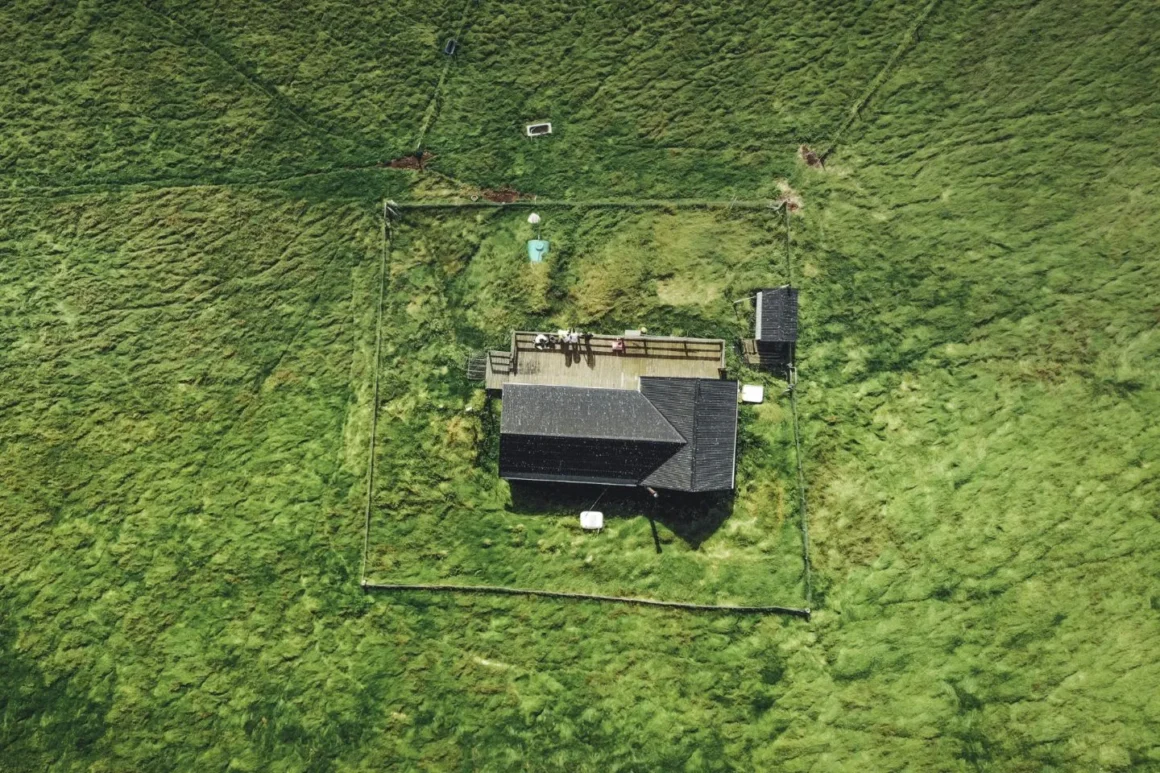
A lone cabin sits where the map almost fades to blank. On Elliðaey Island, off Iceland’s southern coast, the world seems to pause and that stillness is exactly what draws attention to this quiet place.
Where Isolation Becomes the Landscape
Elliðaey Island is part of a small volcanic archipelago known as the Westman Islands. Unlike its more populated neighbors, this stretch of land remains uninhabited. No roads lead to it. No ferries run on schedule. From a distance, it looks less like a destination and more like a forgotten point on the horizon.
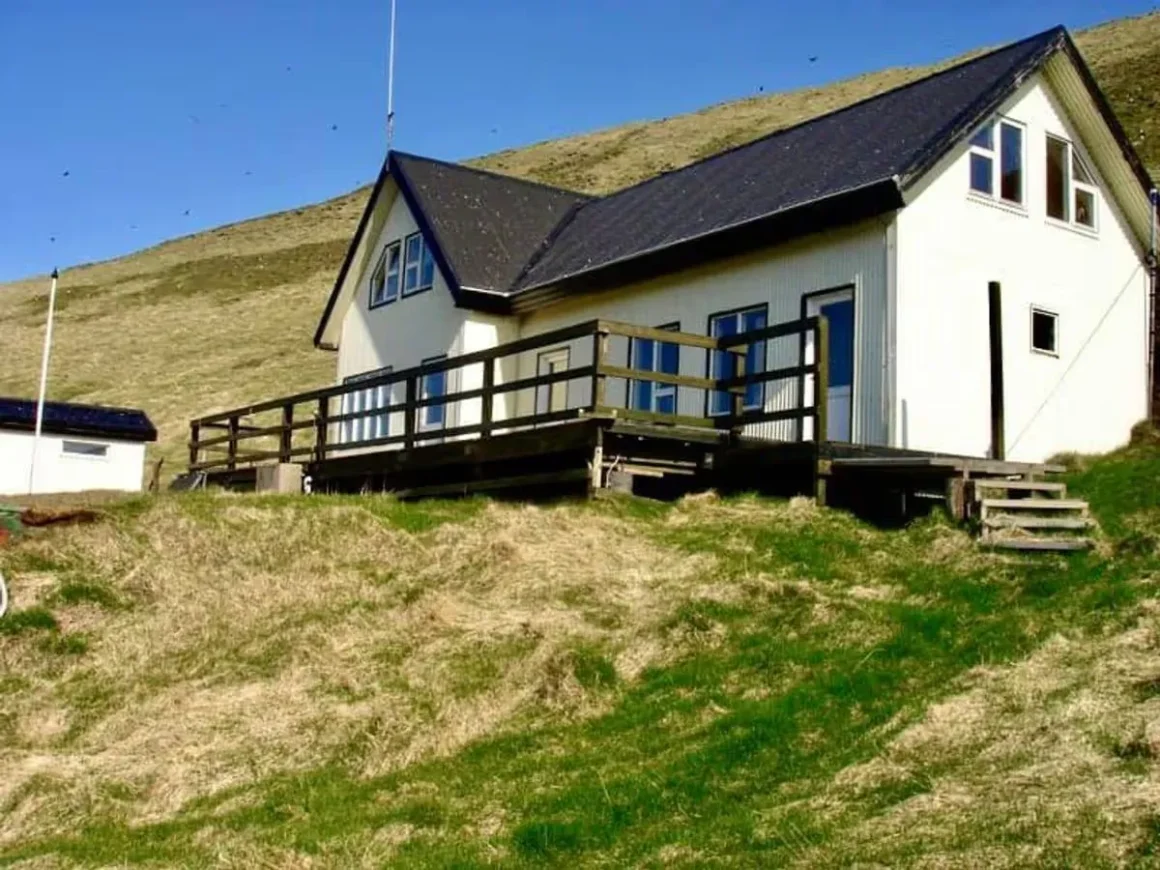
The small white cabin that rests there has fueled years of speculation. Online, it has been described as everything from a billionaire’s retreat to a secret hideout. In reality, its origin is far more grounded.
The Story Behind the Elliðaey Island Cabin
The cabin was built in the 1950s by a local hunting association. Its purpose was simple: to provide shelter during seasonal puffin hunts, a long-standing tradition in the region. There was no intention of turning it into a permanent residence or a symbolic landmark.
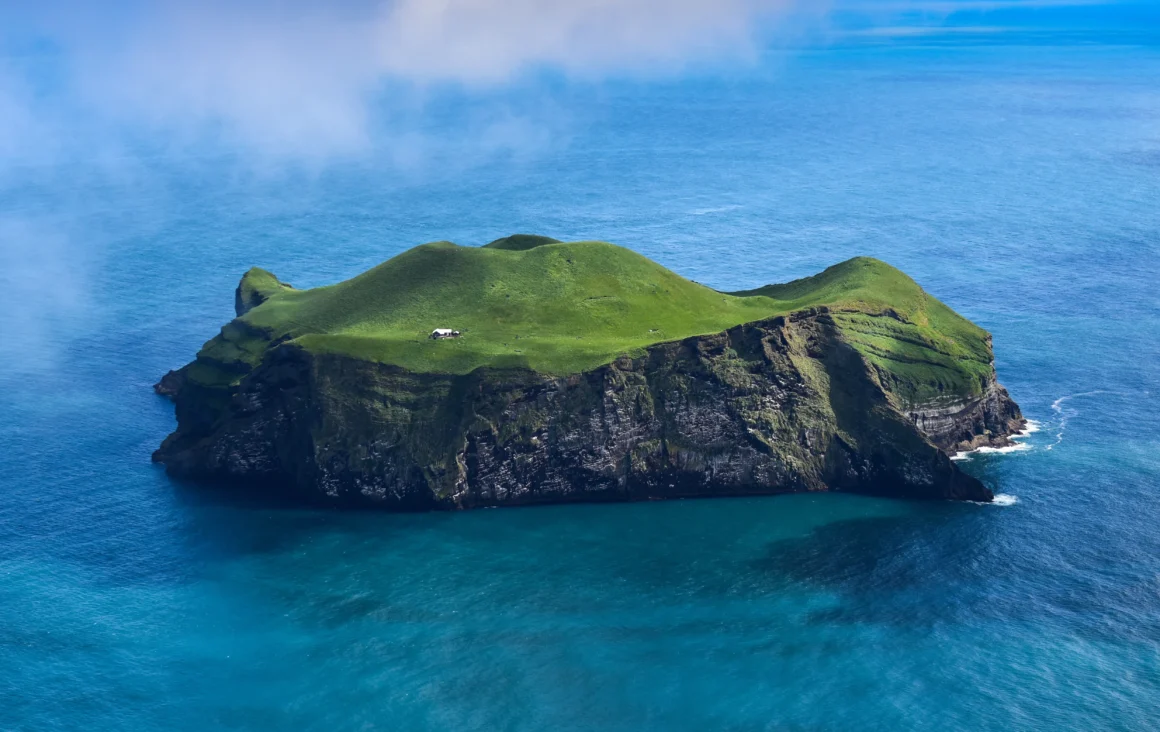
Even today, the structure reflects that original function. There are no modern comforts — no running water, no internet, and no connection to power grids. Instead, the cabin relies on a rainwater collection system and a basic generator. What it offers is not convenience, but distance.
What the Cabin Actually Represents
What makes this place compelling is not luxury or mystery, but clarity. In a world defined by constant connection, Elliðaey Island feels almost deliberately disconnected.
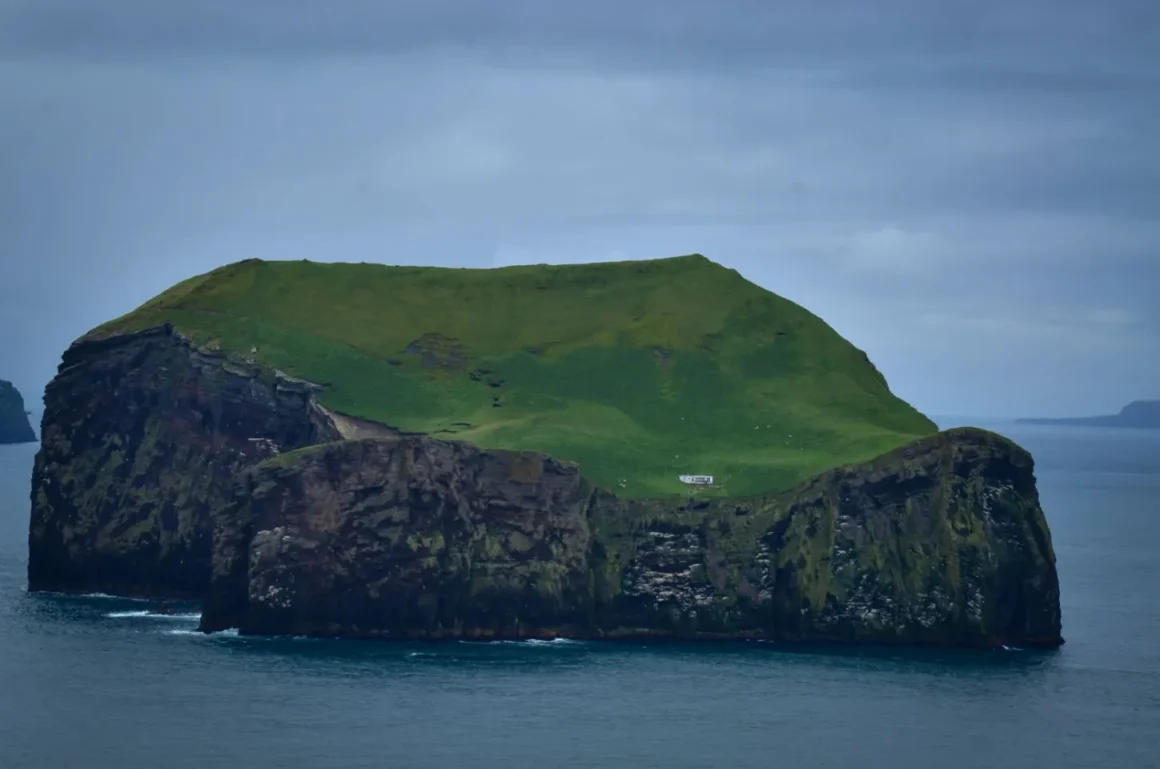
The absence of noise — both literal and digital — changes the meaning of space. Without distractions, attention shifts. Time feels less segmented. Thought becomes less interrupted.
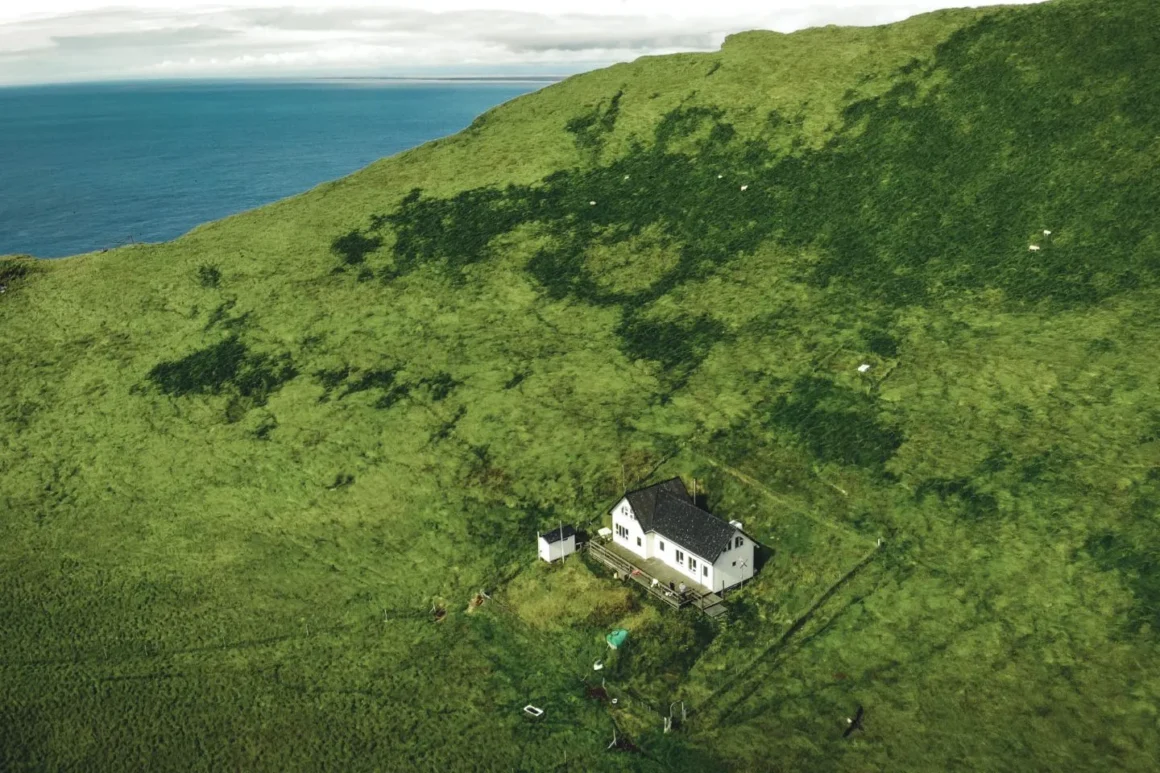
This is why the cabin continues to circulate online, not as a place people can easily visit, but as an idea people recognize instantly: the desire to step away.
Why It Matters Beyond the Island
The fascination with Elliðaey Island says more about us than about the cabin itself. It reflects a growing cultural tension between connectivity and solitude.
As daily life becomes more saturated with information, places like this begin to feel less remote and more symbolic. They represent a kind of mental reset — a reminder that silence is not empty, but something increasingly rare.
The cabin does not offer escape in the traditional sense. It offers something quieter: the possibility of fewer inputs and, perhaps, clearer thoughts.
In the end, the appeal is not about living there. It’s about imagining what it would feel like if you could.
➡️ You can explore more stories like this in our Lifestyle section.

