
A free Rio beach concert became one of the defining live-music moments of Shakira’s career — and another reminder of how Copacabana has become pop music’s grandest open-air stage.
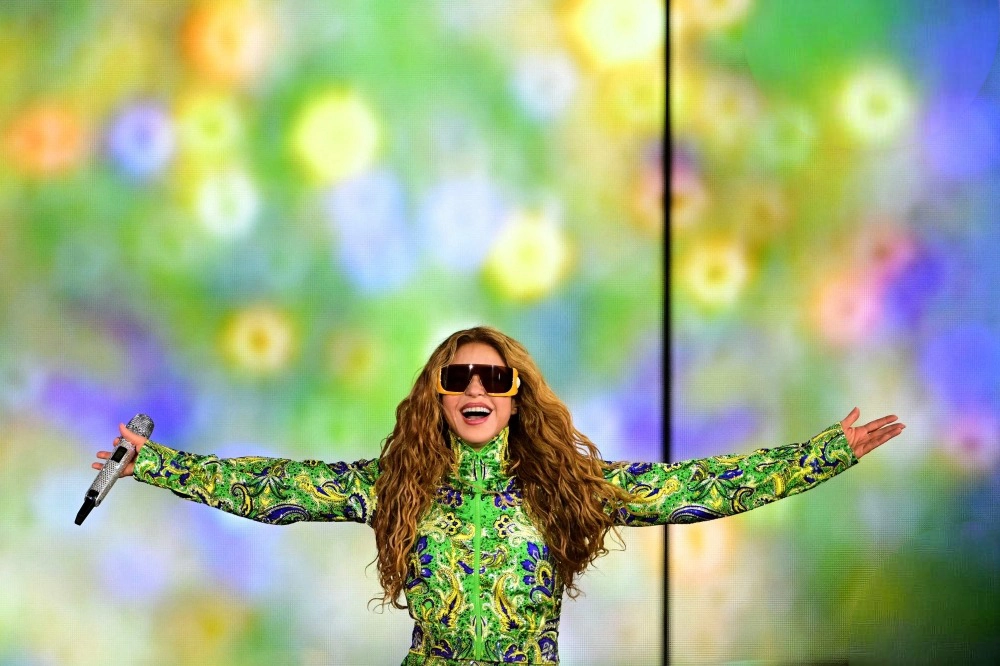
📸 REUTERS/Ricardo Moraes
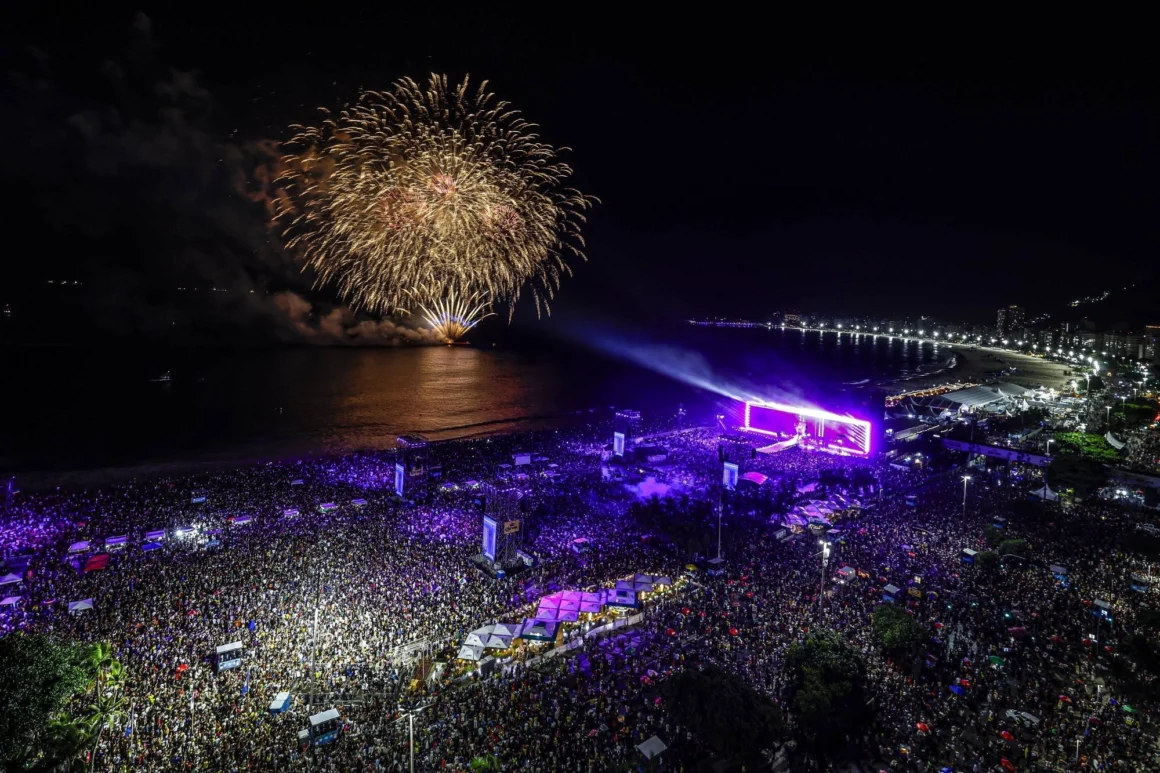
Copacabana has seen huge crowds before. But on Saturday night, Rio’s most famous beach became something closer to a living stadium.
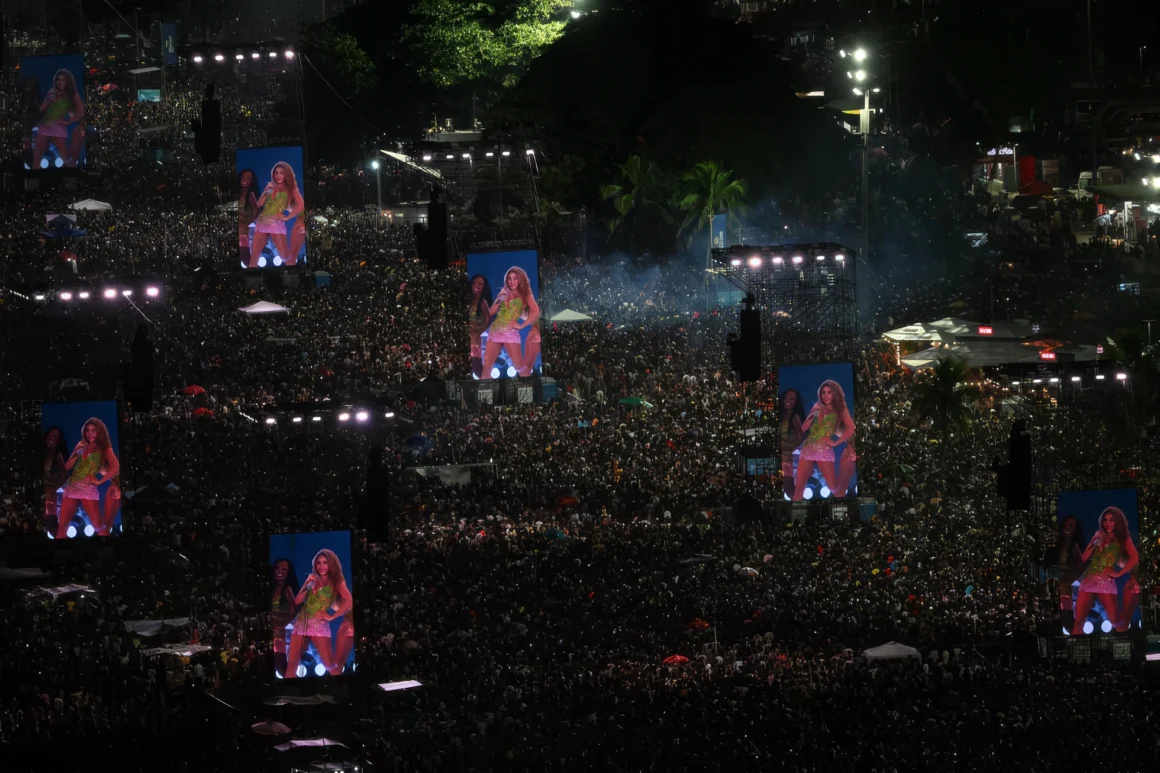
Shakira performed a free concert on Copacabana Beach as part of Rio de Janeiro’s city-backed Todo Mundo no Rio event, drawing an estimated 2 million people, according to city officials.
The scale was almost hard to process: beach, ocean, skyline, stage lights, and a crowd stretching across the sand. What could have been just another tour stop instead became a civic spectacle — part concert, part tourism strategy, part cultural moment.
Copacabana has become a pop capital
The performance placed Shakira in a recent line of massive Copacabana shows following Madonna in 2024 and Lady Gaga in 2025. Rio officials say “Todo Mundo no Rio” is now part of the city’s official events calendar, with editions planned until at least 2028.
That matters because this is no longer just about one superstar arriving in Brazil. Rio is turning the beach itself into a recurring global stage, using music as both a public celebration and a tourism engine.
Ahead of the event, city planning included 24-hour metro operations, traffic restrictions, medical posts, security, cleanup systems, and large-scale monitoring. Riotur said the show used the largest stage of any “Todo Mundo no Rio” edition so far, with 2,500 square meters of stage structure, 16 sound-and-video towers, and hundreds of cameras in the area, according to the city’s official operational plan.
A career-scale moment for Shakira
The night opened with a drone display featuring a wolf, a symbol closely tied to Shakira’s public persona. She addressed the crowd in Portuguese and performed major hits including “Hips Don’t Lie,” “Antología,” and “Waka Waka.”
The concert also connected naturally to the emotional language of her “Las Mujeres Ya No Lloran” era. According to Rio City Hall, Shakira dedicated part of the night to women, framing the performance around resilience, unity, and rebuilding.
The result was not only huge in numbers. It was huge in mood. A beach became a shared chorus, and Shakira’s long relationship with Latin American audiences found one of its most visible forms yet.
The city is betting on scale
Rio officials estimated that the Shakira event could generate about R$800 million for the city’s economy, with impact across hotels, restaurants, transportation, retail, and tourism.
The aftercare showed the scale too. Rio’s municipal cleaning company said crews removed 362 tons of waste after the concert, with around 2,000 street cleaners involved in the operation.
For Shakira, Copacabana was a career milestone. For Rio, it was another test of whether one beach can keep becoming the world’s biggest concert venue. And for the crowd, it was simpler than that: one night, one shoreline, and millions of voices moving together.
➡️ Follow Poziwibe Entertainment for more stories where music, culture, and unforgettable public moments meet.

