
At the Magnani-Rocca Foundation near Parma, thieves stole works by Renoir, Cézanne, and Matisse in a raid the museum says lasted less than three minutes.
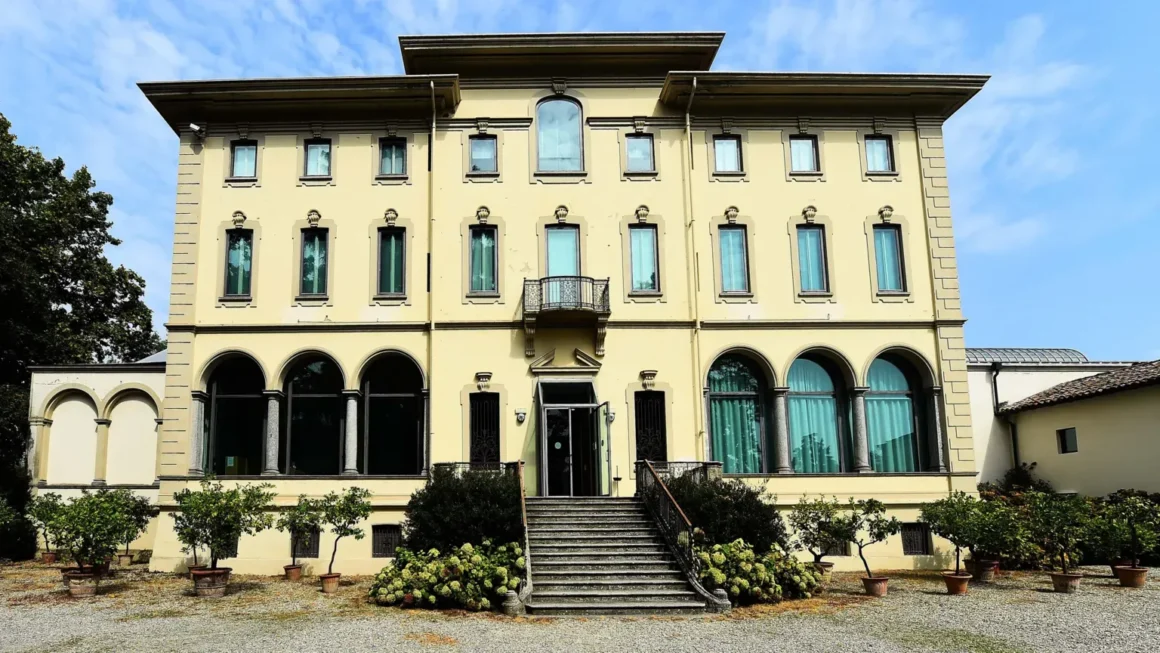
The shock is bigger than the crime itself: it turned a place built for slow looking into a reminder of how exposed intimate cultural spaces can be when world-class art meets organized speed.
A museum built for looking slowly
On the night of March 22–23, thieves forced entry and took Renoir’s Les Poissons, Cézanne’s Tasse et Plat de Cerises, and Matisse’s Odalisque sur la Terrasse from the Magnani-Rocca Foundation near Parma. Reuters reported the total value at about $10 million, while also noting that the €9 million figure cited by Rai had not been confirmed by Carabinieri. The museum separately said the theft lasted less than three minutes.
What makes the story linger is the contrast. This was not a giant tourist-machine museum built around crowd control and spectacle. The official Magnani-Rocca Foundation site presents it as one of Europe’s important artistic institutions, while its Villa of Masterpieces page leans into the mood of a historic villa, curated rooms, and countryside calm. That difference matters. When theft hits a place like this, the cultural loss feels personal before it even feels financial.
These were not random wall picks
The stolen works were specific, recognizable, and deeply tied to the foundation’s identity. On the museum’s own Paul Cézanne – Still Life with Cherries page, the foundation says authentic Cézanne watercolors are rare. Elsewhere on the official site, the museum describes its impressionist holdings as a serious part of the collection and explicitly references both Les poissons and its exceptional Cézanne group. So even before any market estimate enters the conversation, these paintings read as more than portable assets. They were part of the foundation’s cultural grammar.
That is why the heist lands harder than a standard “art worth millions stolen” headline. The real disturbance is symbolic. A villa that invites visitors into an almost domestic encounter with major art suddenly looks less like a sanctuary and more like a site of exposure. AP reported that local media described the thieves escaping across the museum gardens and that the museum believed an organized gang was behind the theft. In other words, this was not just opportunism. It appears to have been a fast, targeted strike against a place defined by cultural intimacy.


The loss is also about public trust
There is a reason stories like this travel far beyond the art world. They tap into a wider fear that quiet beauty is easier to damage than people want to admit. Museums such as Magnani-Rocca are powerful precisely because they do not feel industrial. They feel discovered. They feel chosen. And yet that same softness can read very differently after a theft that unfolds in minutes.
Until the paintings are recovered, the deeper afterimage of this story is not only three empty spaces on a wall. It is the sudden awareness that some of Europe’s most memorable cultural rooms depend on a fragile balance between openness and protection. That is what makes this feel bigger than a crime brief. It is a story about how public access to beauty can be both precious and precarious at the same time.
➡️ Follow Poziwibe Lifestyle for more culture stories where the setting matters as much as the headline.

