New Zealand is moving away from isolating its national bird and placing it back into the daily life of its capital city.
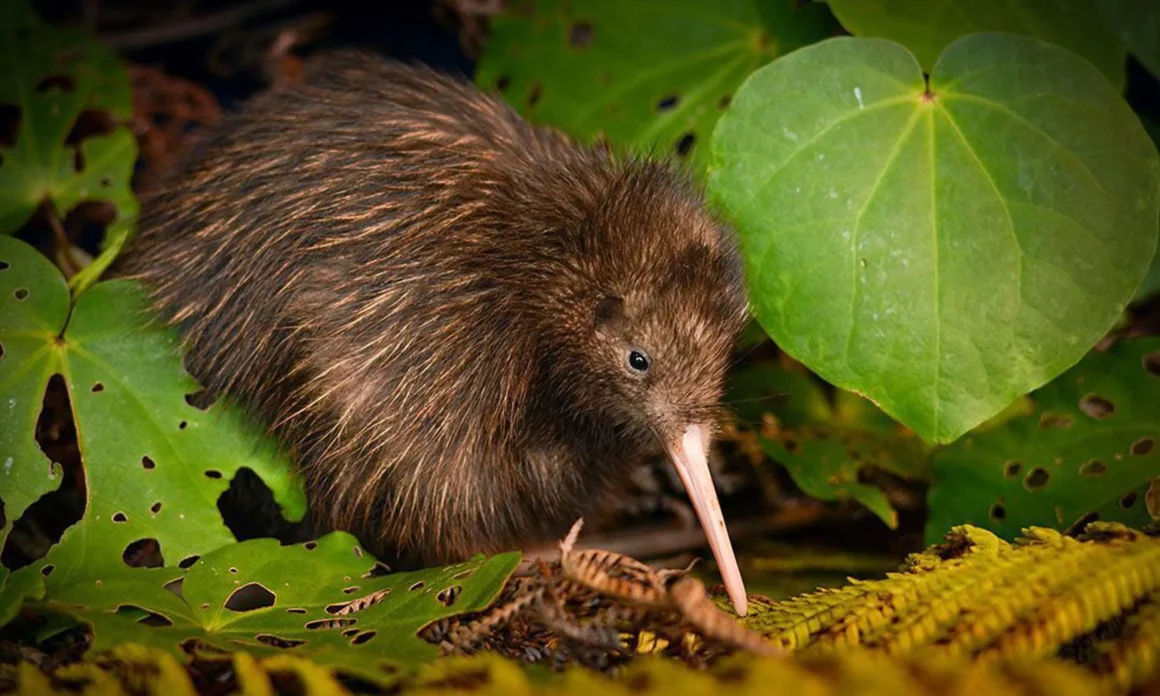
Kiwi sanctuary era ends in Wellington as the country shifts from protecting the species in isolation to managing it within the city itself. For decades, conservation relied on offshore islands and fenced reserves. Now, kiwi are returning to open land that connects directly to urban life.
This shift replaces the old model.
For years, predators introduced by humans made large parts of the mainland unviable. As a result, conservationists moved kiwi into controlled environments where risk stayed low. Those environments worked, but they also kept the species out of daily life.
Now, that structure is starting to shift.
The release of the 250th kiwi into the hills around Wellington marks a clear transition point. Instead of moving birds away from people, the city rebuilt the conditions needed to support them locally.
Kiwi sanctuary era changes before the return
The return did not begin with the birds.
It began with the landscape.
Over the past decade, a coordinated effort prepared more than 24,000 hectares of land around Wellington. First, teams installed thousands of traps targeting stoats, the primary threat to kiwi chicks. As a result, the area became safe enough for reintroduction without fencing it off.
Only after the system stabilized did relocation begin. Conservation teams moved birds from crowded sanctuaries into a landscape that could support long-term growth.
Kiwi sanctuary era breaks the boundary
The change is not just in numbers. It is in where the birds now exist.
Kiwi no longer stay inside remote sanctuaries. Instead, they move through areas that overlap with suburban edges, walking tracks, and open hills near the city.
Encounters are not planned. They simply happen.
Because of this, the boundary between wildlife and the city is no longer fixed. Instead of keeping wildlife outside, the city now supports it within its own limits.
Kiwi sanctuary era shifts from symbol to presence
The kiwi has long functioned as a national symbol, widely recognized but rarely seen in the wild.
Now, that distance is narrowing.


Before release, conservation teams brought kiwi into civic spaces, signaling a new relationship. The goal is no longer only preservation. It is presence.
The species is no longer hidden to survive. It now exists alongside people.
Kiwi sanctuary era depends on local action
New Zealand still faces pressure on kiwi populations in unmanaged areas. However, the Wellington model changes how protection works.
Instead of relying on distant systems, conservation now depends on local action. Residents, volunteers, and conservation groups maintain predator control and monitor the land.
As a result, the system works because it stays active.
That is the shift.
Kiwi sanctuary era ends in Wellington because conservation is no longer distant. It now operates inside the same environment where people live.
➡️ This kind of wildlife recovery shows up on Poziwibe in Nature.

