
The monarch butterfly population delivered a rare piece of encouraging news this season.
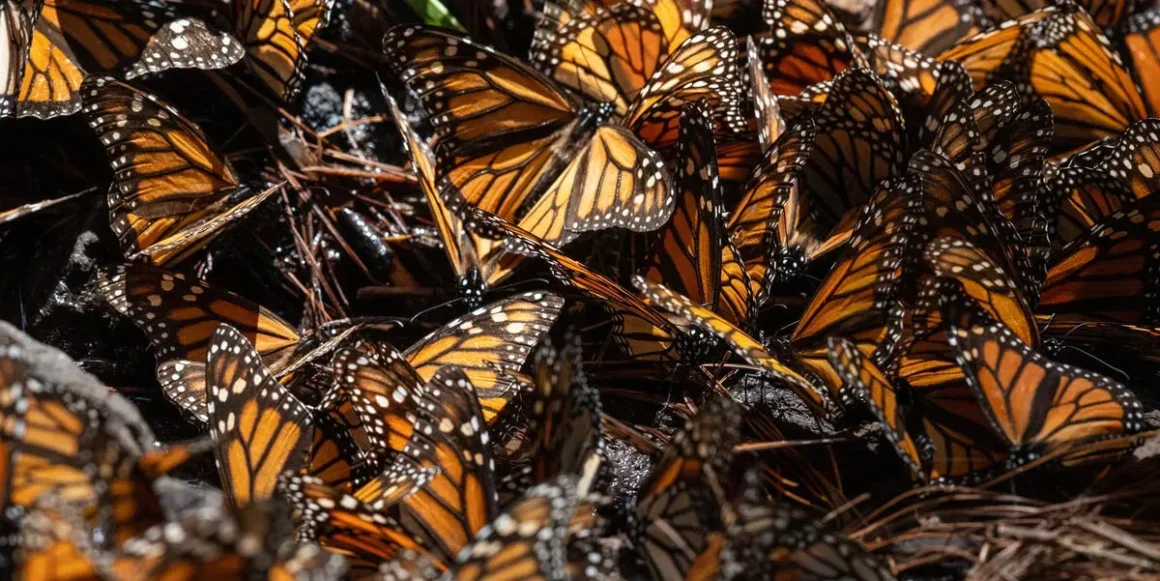
New monitoring in Mexico found that eastern migratory monarchs occupied 7.24 acres of winter forest during the 2025–2026 overwintering season, up from 4.42 acres a year earlier — a 64% increase. For a species that has spent years associated with decline, that makes this one of the more meaningful conservation updates of the spring.
Scientists do not count monarchs one by one in the mountains of central Mexico. Instead, they measure the amount of forest occupied by clustered colonies during winter, a method that WWF and its partners describe as a reliable indicator of population status. That matters because this year’s rise is not just visual or anecdotal; it is based on the same monitoring system used to track long-term change over time. The result also carries extra weight because the U.S. Fish and Wildlife Service continues to treat monarch decline as a serious conservation issue.
A Better Winter in Mexico
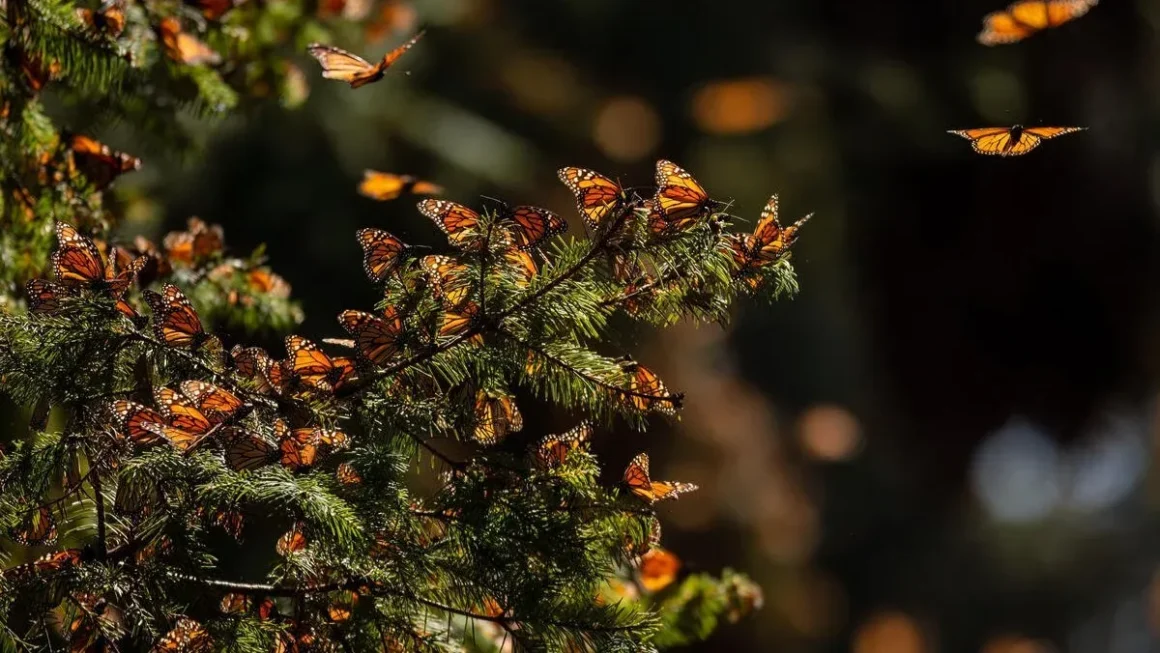
The good news was not limited to butterfly numbers. A separate forest analysis found that 2.55 hectares of forest in the core zone of the Monarch Butterfly Biosphere Reserve were affected between February 2024 and February 2025, down from 3.728 hectares the previous year. Illegal logging remained the biggest cause, followed by fire and drought, but the overall direction improved. That gives the rebound more weight: the butterflies had a stronger winter, and the habitat itself also had a less damaging year.
That habitat is unusually important. The eastern migration takes monarchs from breeding grounds in Canada and the United States to the oyamel fir forests of central Mexico, where cool temperatures and steady humidity help them conserve energy through winter. The journey can stretch up to 3,000 miles, making this one of North America’s most remarkable wildlife movements — and one that depends on a very specific seasonal refuge.
Why the Monarch Butterfly Population Still Matters
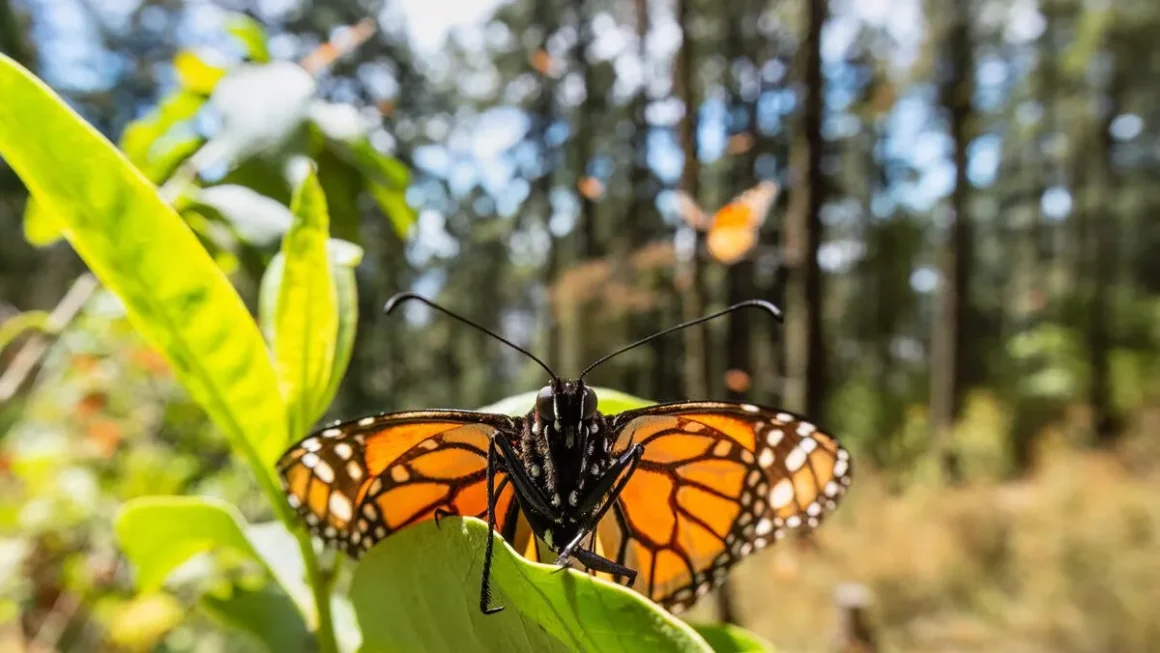
The rebound is real, but it is not the same as recovery. WWF notes that around 30 years ago, monarch colonies covered nearly 45 acres of winter forest, far above today’s 7.24 acres. The long-term picture is still fragile, which is why the U.S. Fish and Wildlife Service proposed listing the monarch butterfly as a threatened species, citing habitat loss and degradation, insecticide exposure, and climate change among the major pressures facing the species.
That larger context is what makes this update worth paying attention to. Monarchs depend on connected landscapes across three countries: breeding habitat in the north, nectar sources along migration routes, and protected winter forest in Mexico. When one season bends in the right direction, it suggests that conservation is not abstract. It shows up in actual habitat, actual acreage, and actual survival.
A Win, Not a Finish Line
The most honest way to read this story is with both optimism and restraint. The numbers improved. The forest damage declined. But the monarch’s future still depends on whether that progress can hold across many seasons, not just one. For now, this is not a comeback story with a neat ending. It is something more valuable: evidence that careful protection can still change the trajectory of a species people nearly gave up on.
🌿 Explore more Nature stories on Poziwibe, from wildlife and biodiversity to the hidden systems that shape our world.

