
In the wild, lion cubs learning to hunt begins long before their first real chase. Across Africa’s savannas, these young cubs are drawing attention not just for their playful charm, but for what that play truly represents — a critical stage of survival.
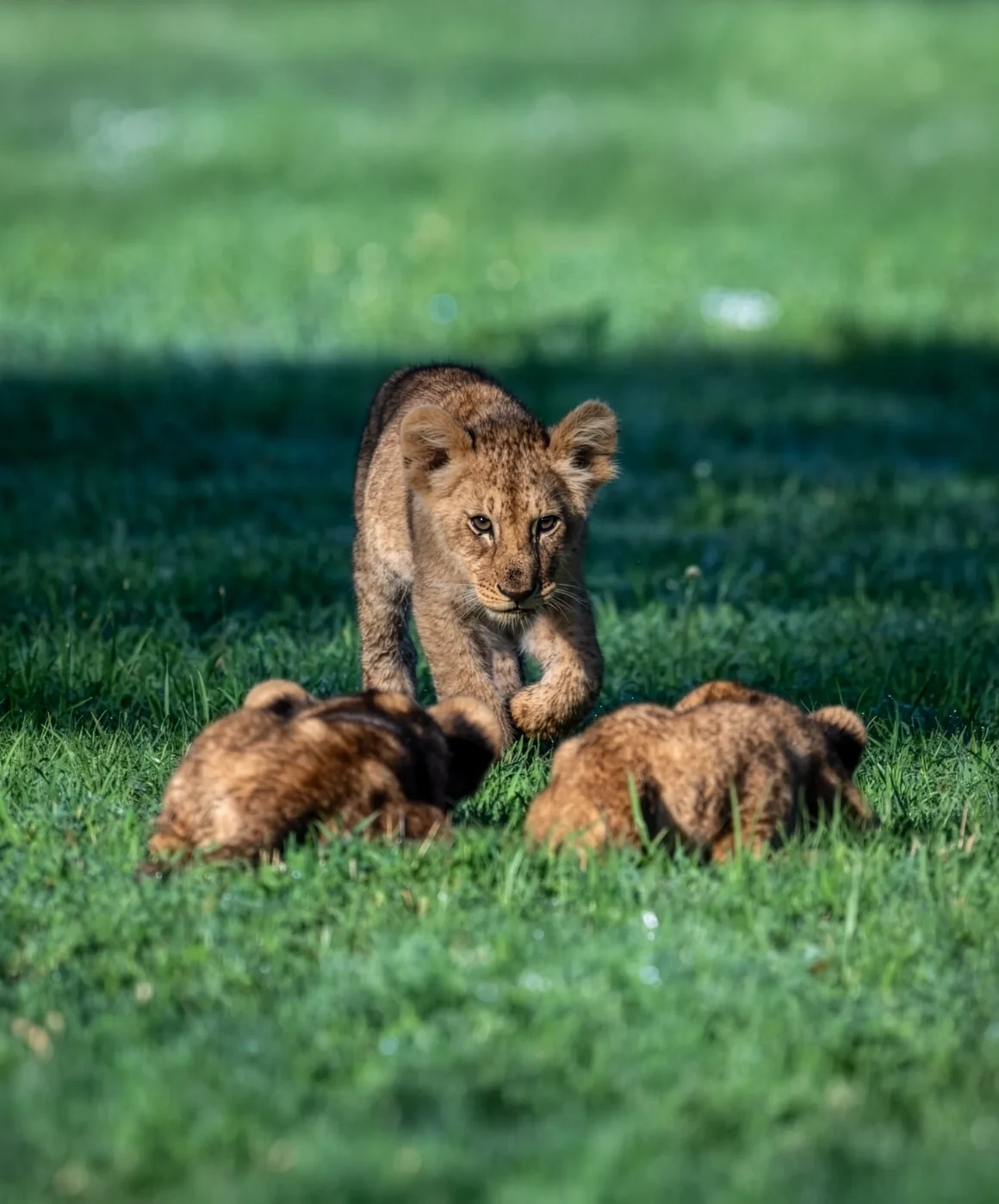
Play That Prepares Predators
At first glance, their behavior looks simple: tumbling, chasing tails, pouncing on siblings. But each movement is a rehearsal. When lion cubs play, they are developing coordination, testing reflexes, and learning how to control their strength.
This stage is essential. Cubs are not born knowing how to hunt—they build those instincts through repetition. Even a missed pounce or a clumsy fall becomes part of a larger learning process.
Growing Inside the Pride
Lion cubs do not grow alone. They are raised within prides, where multiple lionesses share responsibility for protection and care. This social structure allows cubs to observe experienced hunters up close.
Within a few months, cubs begin following adults during hunts. At first, they only watch. Over time, they start to participate — learning positioning, timing, and cooperation.
This shared upbringing also builds strong social bonds. Survival in the wild depends not only on strength, but on coordination within the group.
From Fragile to Formidable
The contrast is striking. Just months after their first uncertain steps, these cubs begin transforming into capable predators. Their muscles strengthen, their reactions sharpen, and their playful movements become deliberate actions.
Yet, this transition is not guaranteed. Many cubs do not survive their early years due to environmental pressures, predators, and competition. Those that do, carry forward the learned behaviors that define the pride’s future.
Why It Matters
What looks like a soft, heartwarming moment is actually a glimpse into one of nature’s most important cycles. Lion cubs learning to hunt is not just about individual growth — it is about the continuation of an entire ecosystem.
Each successful cub becomes part of a balance that shapes wildlife populations and the health of the savanna. Their early play is, in reality, the foundation of that balance.
In watching them, we are not just seeing cuteness — we are witnessing the first steps of survival.
🌿 Explore more stories about wildlife, Nature, and the hidden systems that shape our world with Poziwibe.

