
The Boys of Dungeon Lane is not being introduced as another victory lap. Paul McCartney’s newly announced 14-track album is due May 29 via MPL/Capitol, and the rollout frames it as his first new solo album in more than five years, led by “Days We Left Behind” and built around memories of postwar Liverpool, Speke, and the years before the Beatles became history instead of daily life.
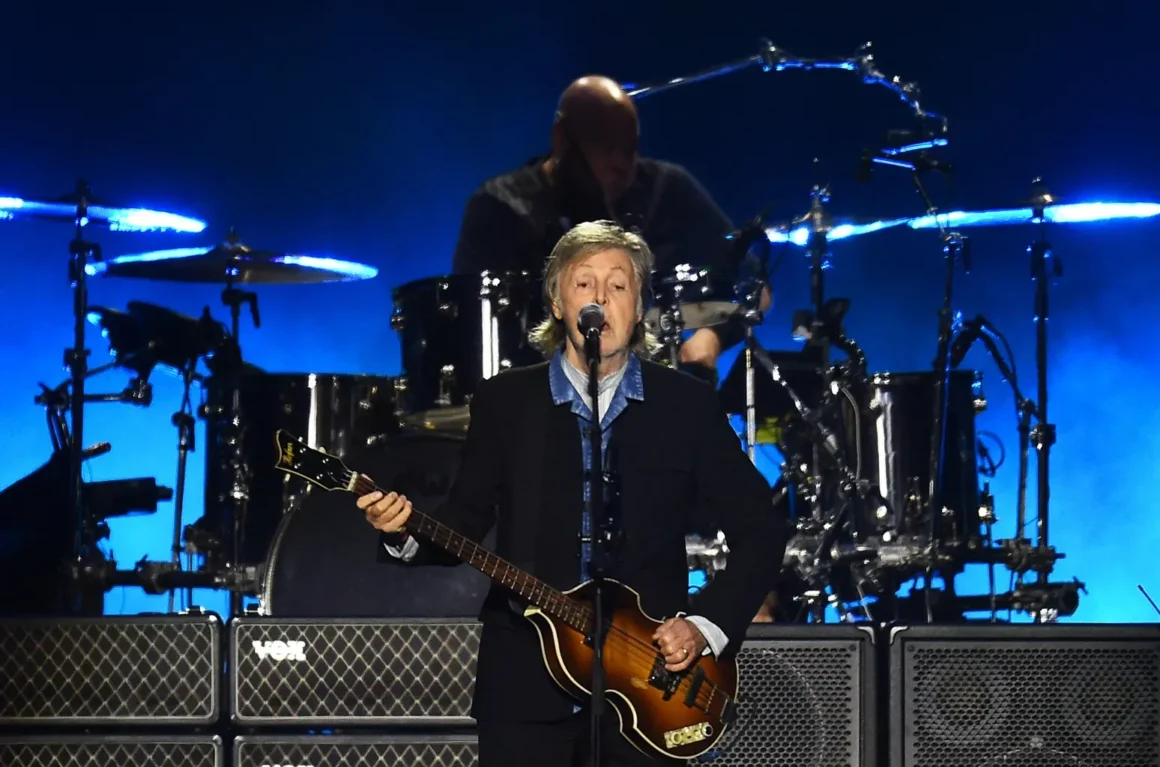
That choice is what makes this announcement worth discovering. Legacy artists often return through spectacle, reissues, or anniversary logic. This project appears to move in the opposite direction. According to McCartney’s official rollout, the album leans into childhood, family resilience, and his early bond with John Lennon and George Harrison. In other words, it is not trying to make the myth bigger. It is trying to make the person inside the myth easier to see.
Why ‘The Boys of Dungeon Lane’ feels different
The title points back to Liverpool geography rather than global fame. Dungeon Lane is tied to the emotional map of McCartney’s early life, and even the single rollout reinforced that local connection. “Days We Left Behind” debuted first for Merseyside listeners before reaching wider audiences through BBC radio. For readers who want the source material, McCartney’s official announcement lays out the album’s frame, while Radio Times’ report on the BBC debut of “Days We Left Behind” captures how intentionally local that first step felt.
There is also a clear creative frame around the record. Andrew Watt produced the album, but the origin story is notably small-scale: an early writing session, an unfamiliar chord, and a song that reportedly became the opening track. From there, the album took shape between tour dates in Los Angeles and Sussex. McCartney’s official site also says he played the majority of instruments, which echoes the self-driven spirit of his earlier solo work. That matters because it positions this release as a crafted personal statement, not just another prestige object from a famous catalog.
A late-career album that resists museum treatment
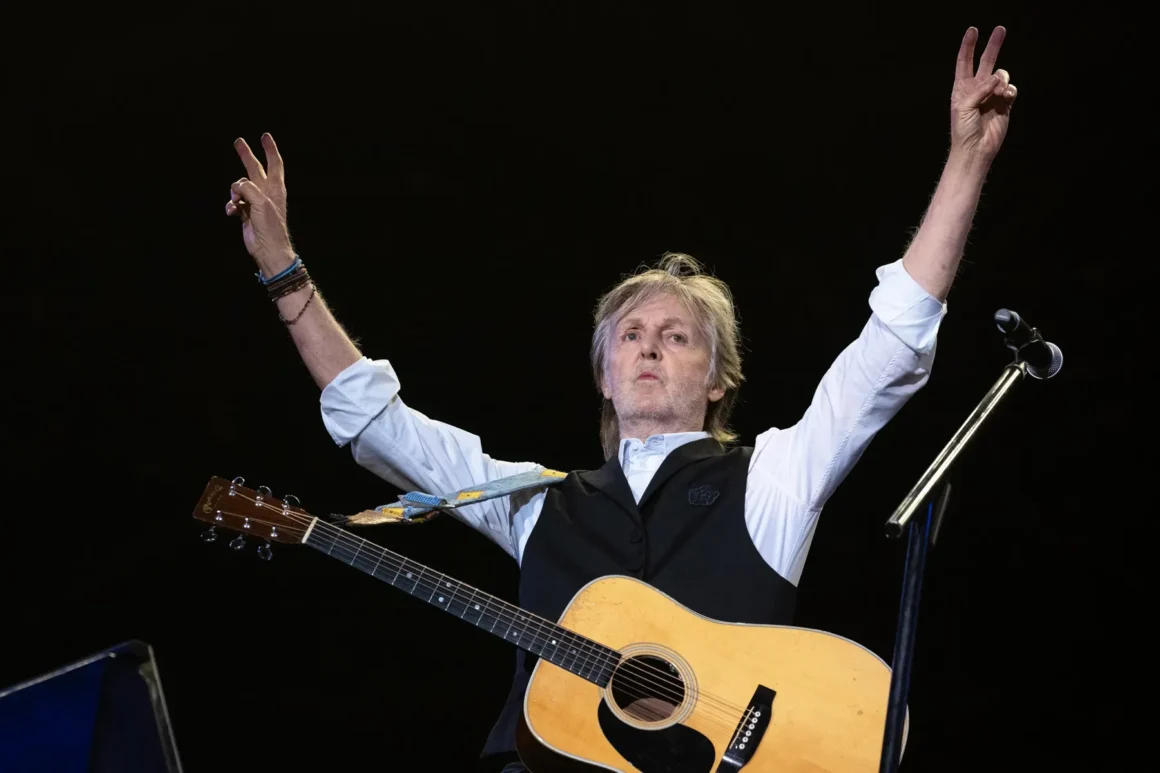
McCartney has already spent years surrounded by retrospection. Reissues, documentaries, restored archives, and endless Beatles re-evaluation have kept his legacy in circulation. In that context, The Boys of Dungeon Lane becomes more interesting. It suggests a different kind of late-career move: not one that lives off memory, but one that works through memory. That is an inference from the way the album is being presented, but it is a meaningful one. Instead of selling scale, this release appears to sell intimacy.
That is why this story matters beyond fandom. Music history often freezes icons into symbols. McCartney seems to be pushing back by going smaller, more local, and more candid. If the full album delivers on that promise, it will not simply extend a legendary discography. It will show that even one of modern music’s most familiar figures can still make discovery feel possible by returning to the places that formed him.
▶️ Want more Entertainment stories that go beyond the headline and get to the meaning underneath it? Keep exploring Poziwibe’s music and culture coverage.

