Learnmore Mwanyenyeka, known professionally as Learnmore Jonasi, is at the center of a story that feels much bigger than one comedian and one courtroom. After being hit with a $27 million lawsuit from Lebohang “Lebo M” Morake, Jonasi launched a GoFundMe and framed the case as a devastating legal battle he cannot fight alone.

At the heart of it is a comedy bit about the opening Zulu chant from The Lion King. But the reason this is traveling so widely is not just the legal shock of the number. It is the deeper tension underneath it: when humor touches culture, meaning, and identity, who gets to decide where the line is?
A familiar cultural moment turned into a serious dispute
The conflict began with Jonasi’s routine about the iconic chant that many people instantly connect to The Lion King. Lebo M says that framing distorted the chant’s meaning and cultural importance.
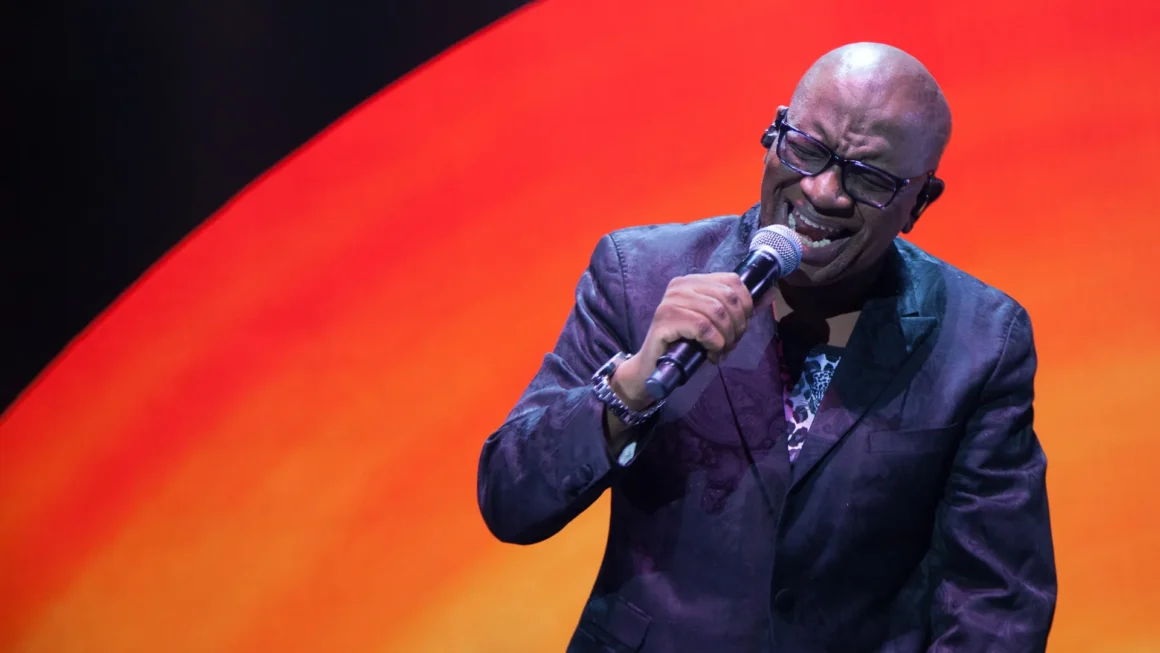
That is what gives this story its weight: the claim is not simply that something was mocked, but that something meaningful was reduced in public.
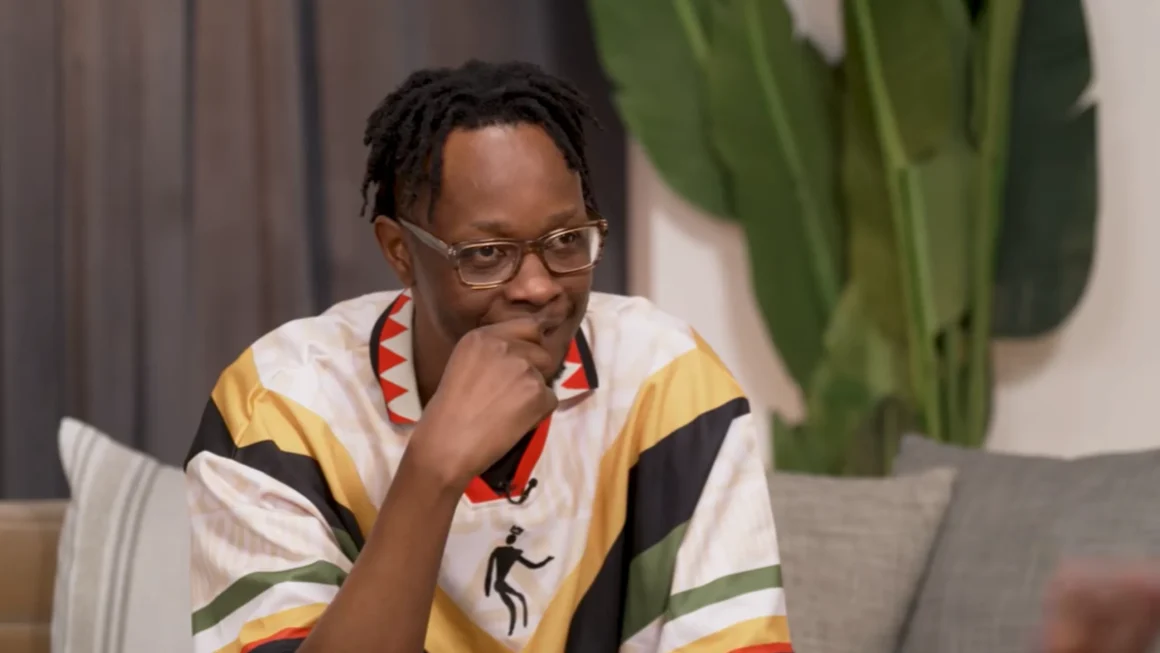
The case argues that the material damaged Lebo M’s reputation and strained business relationships, including connections linked to Disney. The damages sought exceed $20 million, and with punitive damages included, the total rises to $27 million.
Why Learnmore Jonasi went public
Jonasi’s GoFundMe changed the tone of the story. It moved the issue out of legal paperwork and into public conversation.
He says he needs support to afford a defense, describing the case as financially and emotionally overwhelming. That public appeal makes this more than an entertainment headline. It turns the case into a debate people feel invited into.
Some see a comic under pressure for doing what comics do. Others see a cultural figure pushing back against a public interpretation that crossed into harm. That split is exactly why the story keeps holding attention.
The bigger conversation behind the headline
This is where the story becomes more interesting than a celebrity dispute. Comedy often depends on exaggeration, speed, and shared recognition. Culture moves differently. Meaning carries history, memory, and context.
A line that sounds playful to one audience can feel careless or damaging to another, especially when language and heritage are involved.
That does not make the answer simple. Public figures are often expected to absorb parody. Comedians are expected to test limits. But this case highlights a harder question that keeps returning in digital culture: when a bit reshapes how people understand something meaningful, is that still just humor, or has it become something else?
Whatever the legal outcome, the reason this story feels current is clear. It captures the uneasy space where performance, culture, and public interpretation no longer stay in separate lanes.
Sometimes the stories people keep talking about are not the loudest ones, but the ones that reveal how differently the same words can land.
➡️ For more Entertainment stories where culture, media, and meaning meet, follow Poziwibe.

