
The story of dogs and humans may begin much earlier than the modern world once assumed.
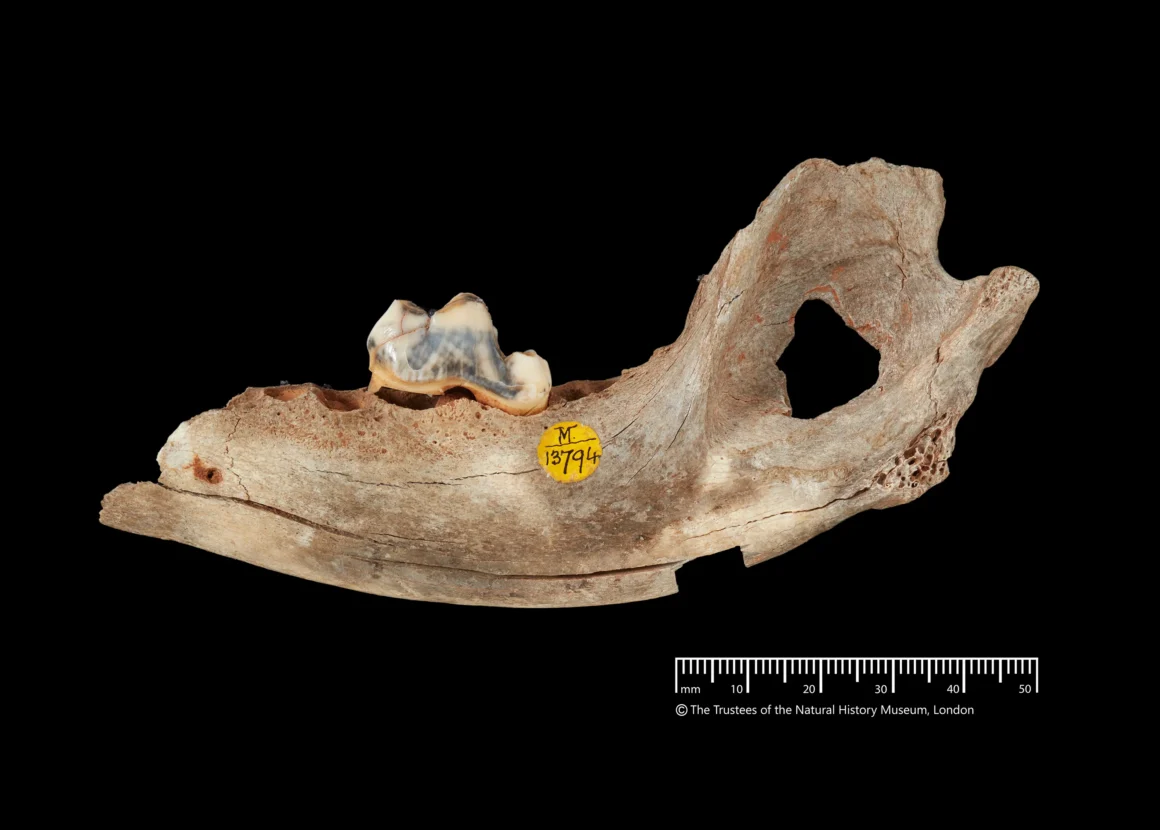
New research suggests the human dog bond reaches back more than 15,000 years, deep into the last Ice Age, when people were still living as hunter-gatherers and agriculture had not yet emerged. That does more than move a date on a timeline. It makes companionship feel like part of human survival itself, not just a later comfort of settled life.
Ancient DNA Pushes the Timeline Back
The clearest breakthrough comes from ancient DNA. Researchers identified dog remains from Pınarbaşı in Anatolia, in present-day Türkiye, dated to about 15,800 years ago, making them the oldest direct genetic evidence yet found for domestic dogs. Another very early specimen from Gough’s Cave in Somerset, England, dates to around 14,300 years ago. Together, these finds push the oldest genetic evidence for dogs back by roughly 5,000 years.

The Evidence Spans TUrkiye and Europe
What gives the study unusual weight is its scale. The research suggests dogs with related ancestry were already spread across western Eurasia by at least 14,300 years ago, from Anatolia to Britain. The team behind the findings was international, bringing together researchers and institutions in Türkiye such as Ankara Hacı Bayram Veli University, alongside contributors from Oxford, UCL, the Natural History Museum, and other partner institutions across Europe. That framing matters, because it shows this is not a single-site story or a single-university claim. It is a broader scientific reconstruction of how early dogs moved through human worlds.
Shared Diets Make the Bond Feel Real
Some of the most revealing clues are not only genetic. Isotopic analysis suggests certain early dogs were eating diets similar to nearby humans, including fish in some regions. Researchers say that pattern supports human provisioning, which means these animals were likely being intentionally fed rather than merely scavenging at the edge of camp. That detail brings warmth into the science. It suggests these early dogs were already living close enough to humans to share not just space, but care.
Burials Hint at Something More Than Utility
The emotional depth of the story becomes even clearer in the burial evidence. At Pınarbaşı, puppy remains were found in a burial context associated with human remains, and researchers say dog remains at both Pınarbaşı and Gough’s Cave show treatment after death that mirrored human practices. Scientists are careful not to overstate that point, but it strongly suggests these animals may have carried symbolic, emotional, or ritual importance. In other words, dogs may already have been more than useful companions. They may have mattered in ways that feel recognizably human.
Why This Changes the Way Prehistory Feels
Early dogs likely looked more like small wolves than modern pet breeds, and researchers believe they may have helped with hunting, guarding camps, or warning against predators. But the deeper meaning of the study is not just functional. It suggests one of humanity’s oldest cross-species relationships may have formed in a world defined by risk, movement, and cold. Long before farms, fences, and modern breeds, humans may already have been sharing food, trust, and daily life with dogs. That turns domestication into something more intimate than a scientific milestone. It becomes part of the long history of how survival and companionship grew together.
➡️ Explore more Nature stories that reveal how animals and humans have shaped each other across deep time.

