
The Iberian lynx photo People’s Choice Award story landed with unusual force this week because it is not just about a striking wildlife image. It is also about a species that once stood on the edge of disappearance.
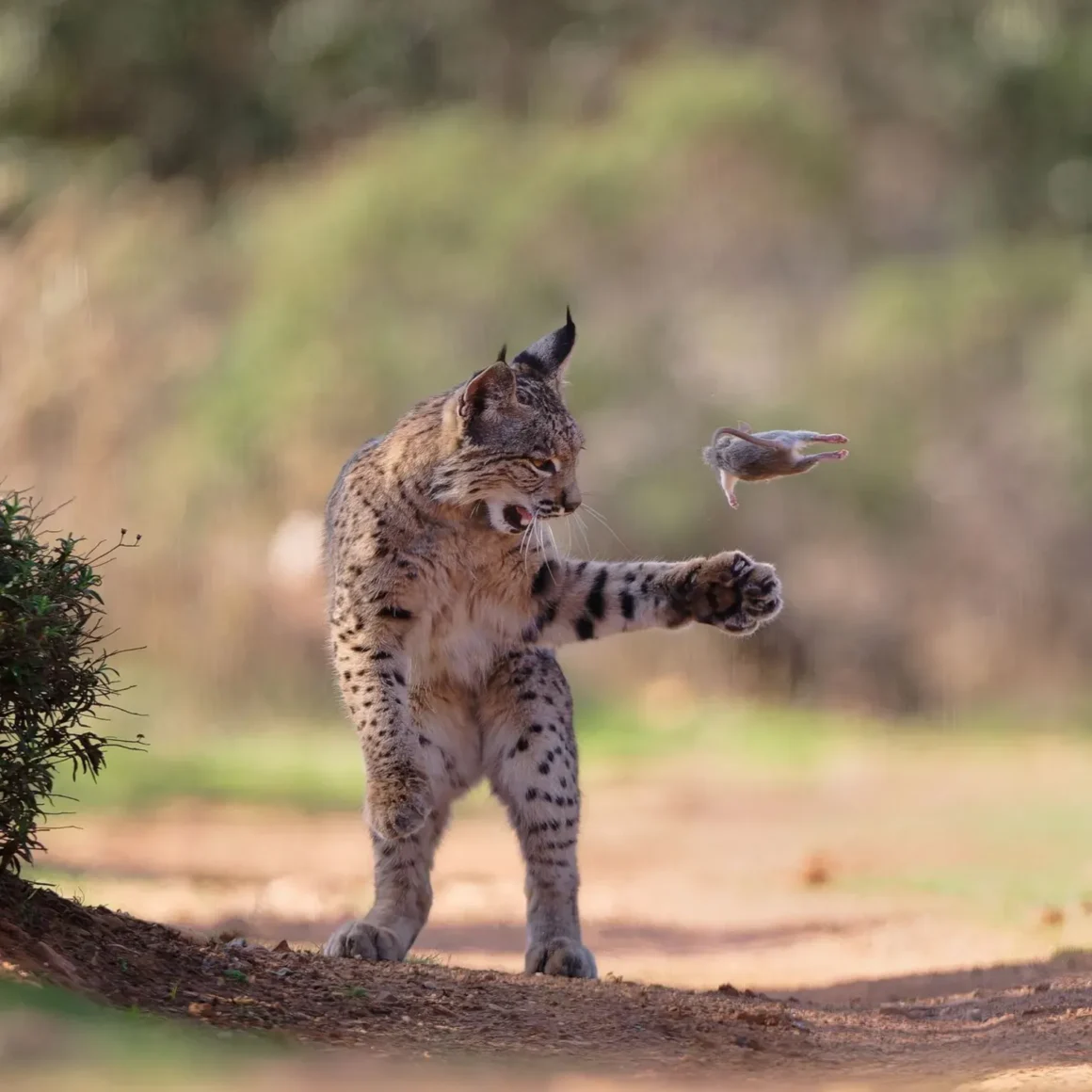
Josef Stefan’s photograph, Flying Rodent, has won the 2026 Wildlife Photographer of the Year Nuveen People’s Choice Award after a global public vote, turning one sharp, chaotic instant in the wild into a wider symbol of recovery.
A split-second scene people could not ignore
The image shows a young Iberian lynx flipping a rodent into the air in Ciudad Real, Spain, just before eating it. The frame feels almost playful at first, but that is what gives it tension. It catches the strange overlap that often defines wildlife photography at its best: beauty, instinct, danger, and surprise all arriving in the same second. The Natural History Museum says Stefan spent two weeks watching lynx from a hide before capturing the moment that eventually won over the public.
That public response was not small. More than 85,917 people took part in the vote, a record turnout for this year’s People’s Choice selection. The winning image came from a shortlist of 24 photographs chosen from 60,636 entries submitted across 113 countries and territories, which gives the result more weight than a simple popularity win. It means this one image stood out in a competition already crowded with exceptional work.
Why the Iberian lynx photo matters beyond the award
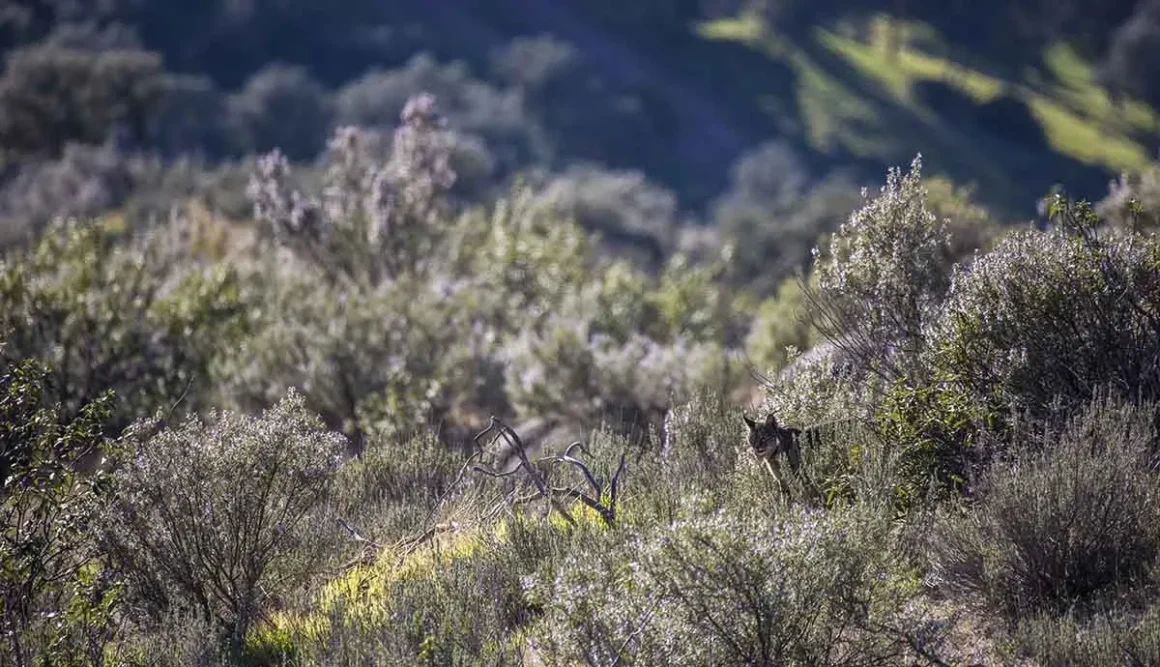
What makes the image linger is the animal itself. The Iberian lynx is no ordinary subject in conservation terms. The IUCN said in 2024 that the species had rebounded enough to move from Endangered to Vulnerable, with the total population estimated at more than 2,000. More recent official figures from Spain’s ecological authorities put the 2024 census at 2,401 individuals across Spain and Portugal.
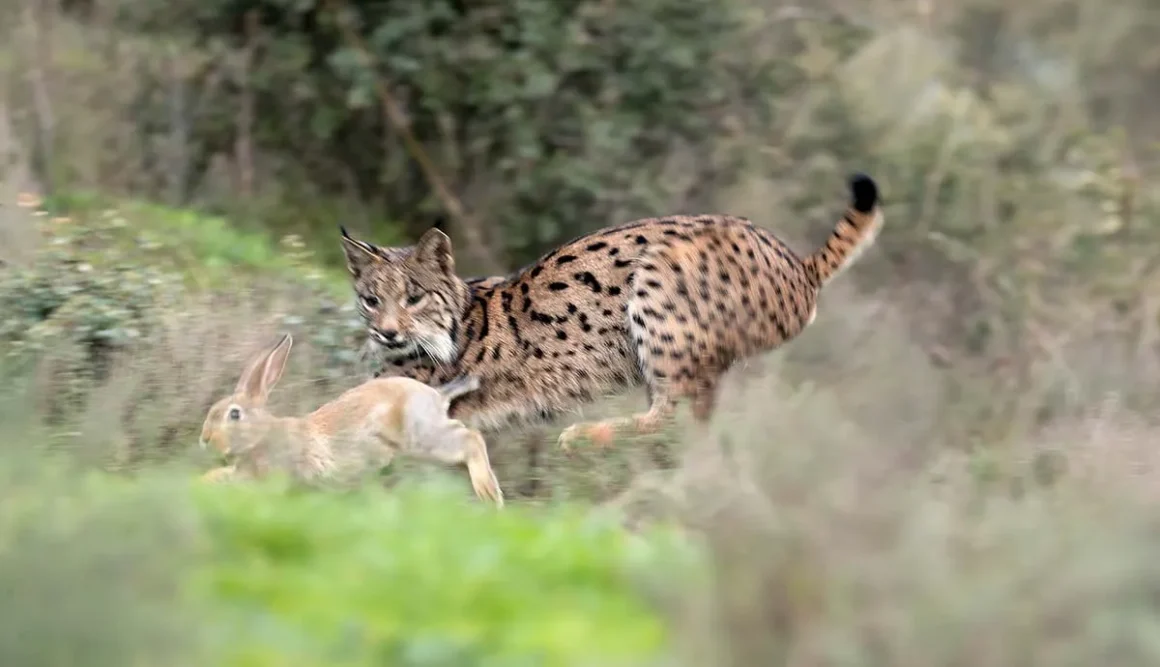
That changes how the photograph reads. It is not just a dramatic hunting scene. It is also a reminder that conservation sometimes works, even after years of decline, habitat pressure, and prey collapse. The Iberian lynx was once considered the world’s most endangered wild cat. Now, while it is still far from fully recovered, it has become one of Europe’s clearest environmental comeback stories.
A public vote that says something larger
Awards decided by public voting often reveal what people are emotionally reaching for. In this case, the winning frame is not soft, sentimental, or overly polished. It is raw and slightly unsettling, yet still magnetic. That may be exactly why it connected. People were not only looking at a rare cat. They were looking at survival, energy, and a species still reclaiming space in the world.
There is something quietly hopeful in that choice. Environmental coverage is often shaped by irreversible loss, but this image carries a different charge. It suggests that people still respond to stories where the natural world is not only under threat, but still fighting back. That does not make the story simple. It makes it worth remembering. The winning image is now on display at the Natural History Museum in London until 12 July 2026, giving this brief wild moment a much longer public life.
➡️ Explore more Nature stories that turn one unforgettable moment in the wild into something bigger.

