
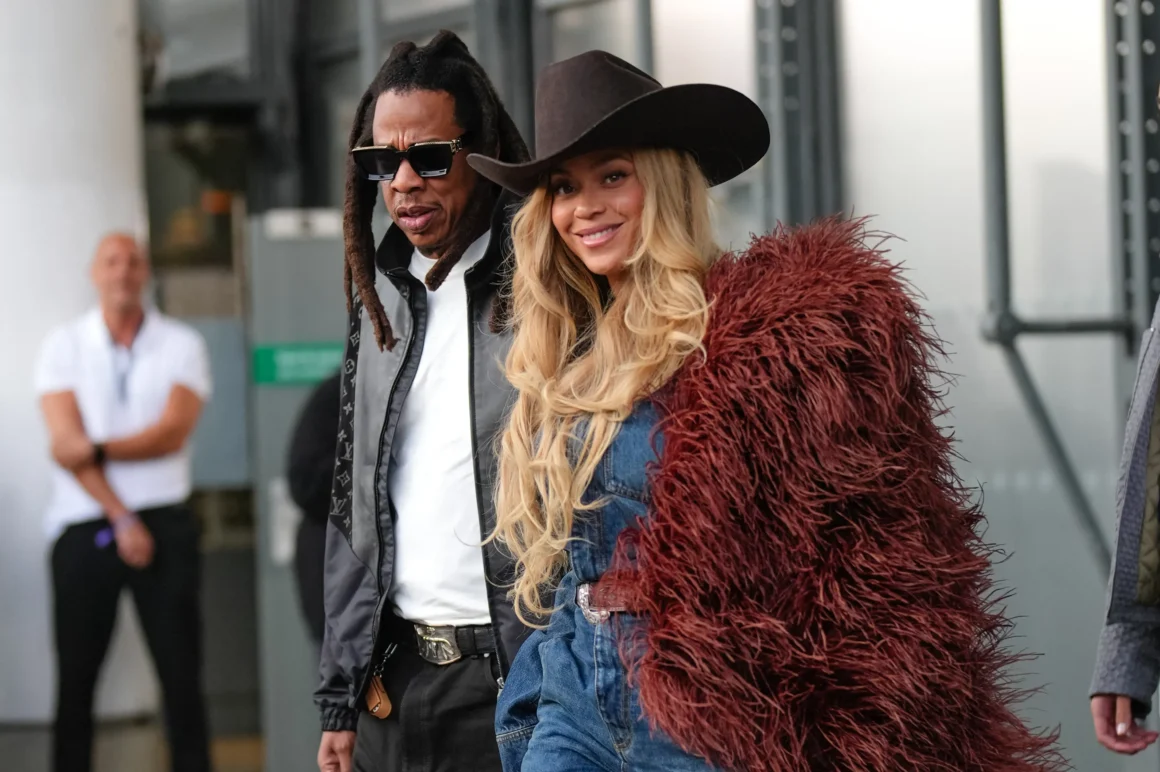
Beyoncé and Jay-Z at their Los Angeles home
When music turns into something bigger
For most artists, success is measured in streams, charts, or sold-out arenas. But for a small group of musicians, the story doesn’t end there.
In recent years, a handful of global artists have crossed into billionaire territory — building fortunes that extend far beyond music itself. What connects them isn’t just fame, but a shift in how creative careers are structured in the modern era.
The artists who crossed the billion mark
Among the most widely reported music billionaires are: Jay-Z, Rihanna, Taylor Swift, Dr. Dre, Beyoncé and Bruce Springsteen.


These names have appeared across multiple financial analyses, including reporting from outlets like Forbes and Bloomberg, which track celebrity net worth and major asset deals.
While each story is different, the pattern is consistent: music created influence, but ownership created scale.
Different paths to the same milestone
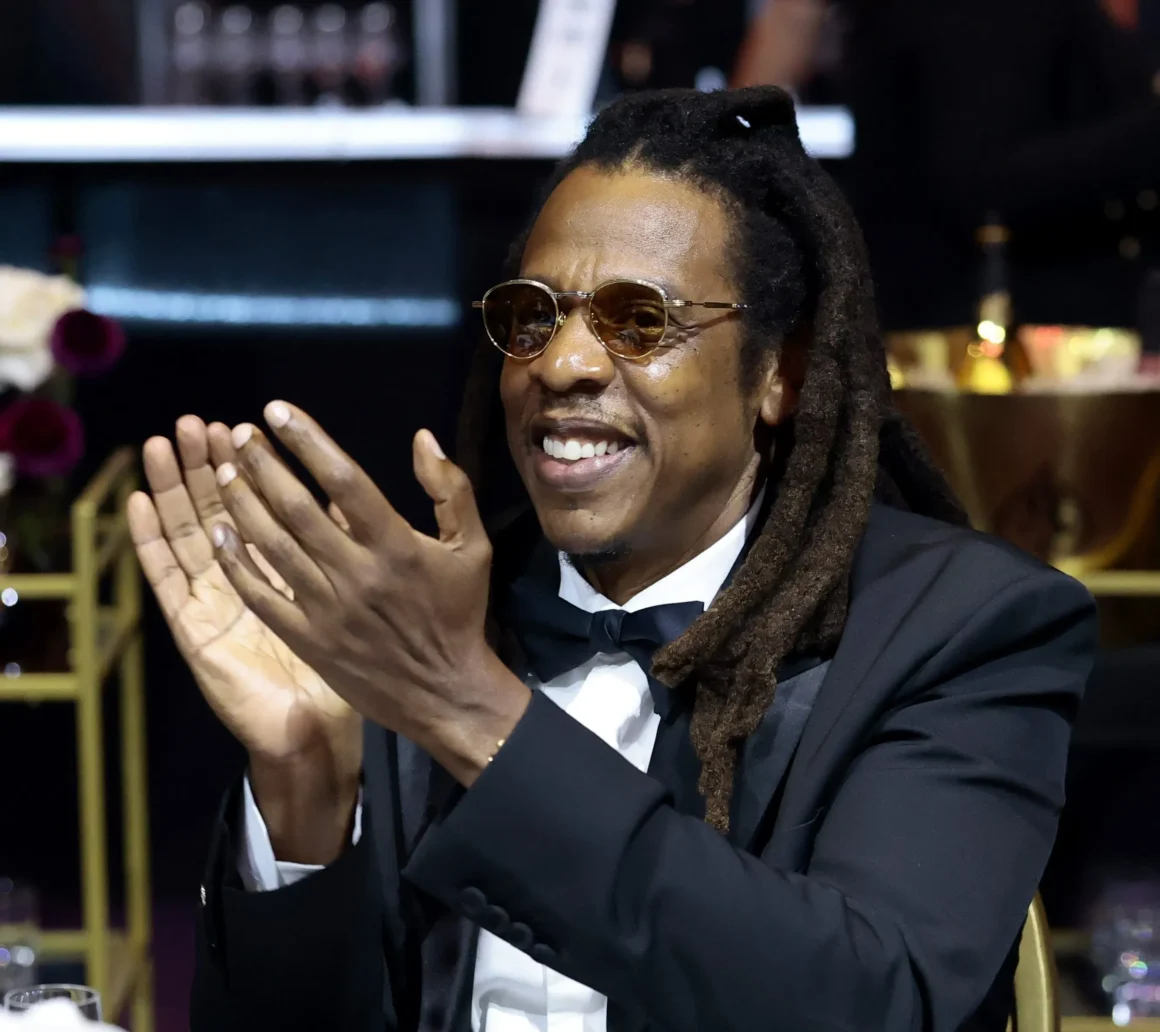
Jay-Z is often described as the prototype of the modern artist-entrepreneur. His wealth comes not only from music, but from investments in companies like Roc Nation, Armand de Brignac champagne, and other ventures that extend his brand into multiple industries.

Rihanna represents a newer model. Her cosmetics company, Fenty Beauty— developed with LVMH — became a defining example of how cultural relevance can translate into global consumer demand. Multiple reports, including Forbes, have identified her business ventures as the primary driver of her billionaire status.

Taylor Swift stands apart for a different reason. Unlike many others on this list, the majority of her wealth is tied directly to music. Her Eras Tour has become one of the highest-grossing tours ever recorded, while her decision to re-record her albums strengthened her control over her catalog and revenue streams.
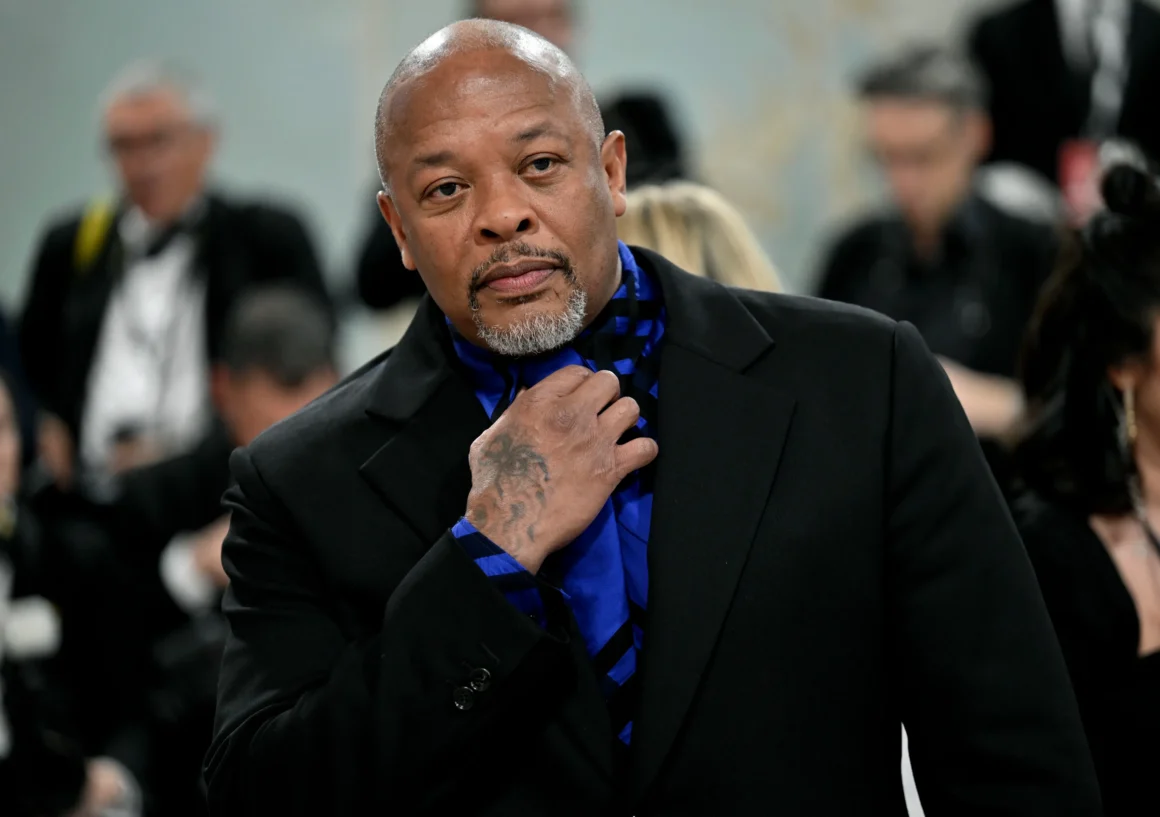
Dr. Dre’s financial leap came from a single defining deal: the sale of Beats Electronics to Apple in 2014. That acquisition, widely covered by Reuters and Bloomberg at the time, became one of the most influential artist-led business exits in the industry.

Beyoncé has built her wealth through a combination of touring, music, and carefully selected brand ventures — maintaining a high level of creative and business control throughout her career.

Bruce Springsteen’s path reflects a different shift in the industry: the rising value of music catalogs. His reported sale of his catalog to Sony Music, covered by major outlets including The New York Times, highlighted how legacy artists can convert decades of work into substantial financial assets.
What this says about the modern music industry
The rise of music billionaires reflects a broader transformation.
Artists today are no longer dependent solely on record sales or streaming revenue. Instead, they operate across multiple layers:
- intellectual property ownership
- global touring ecosystems
- brand partnerships and equity stakes
- long-term catalog monetization
This shift has redefined what it means to succeed in music. Financial scale is no longer tied only to popularity, but to control — over rights, distribution, and business decisions.
Why people are paying attention
There’s a cultural dimension to this shift as well.
Fans are increasingly aware of how artists build their careers behind the scenes — not just what they release, but what they own. Stories like Taylor Swift reclaiming her masters or Rihanna building a global beauty brand resonate because they reflect independence and long-term thinking.
In that sense, these milestones are not just about wealth. They signal a new kind of creative autonomy in an industry that historically limited it.
A different kind of legacy
What makes this moment notable is not simply the number itself, but how it’s reached.
These artists are not only shaping music — they are reshaping the structure around it. Their careers suggest that the future of the industry may belong to those who think like both creators and builders.
And in that shift, success starts to look less like a hit song — and more like something designed to last.
➡️ You can explore more stories like this in our Entertainment section.

