
A sequel series set in post-war Birmingham shifts the story forward, where legacy is no longer protected but tested.
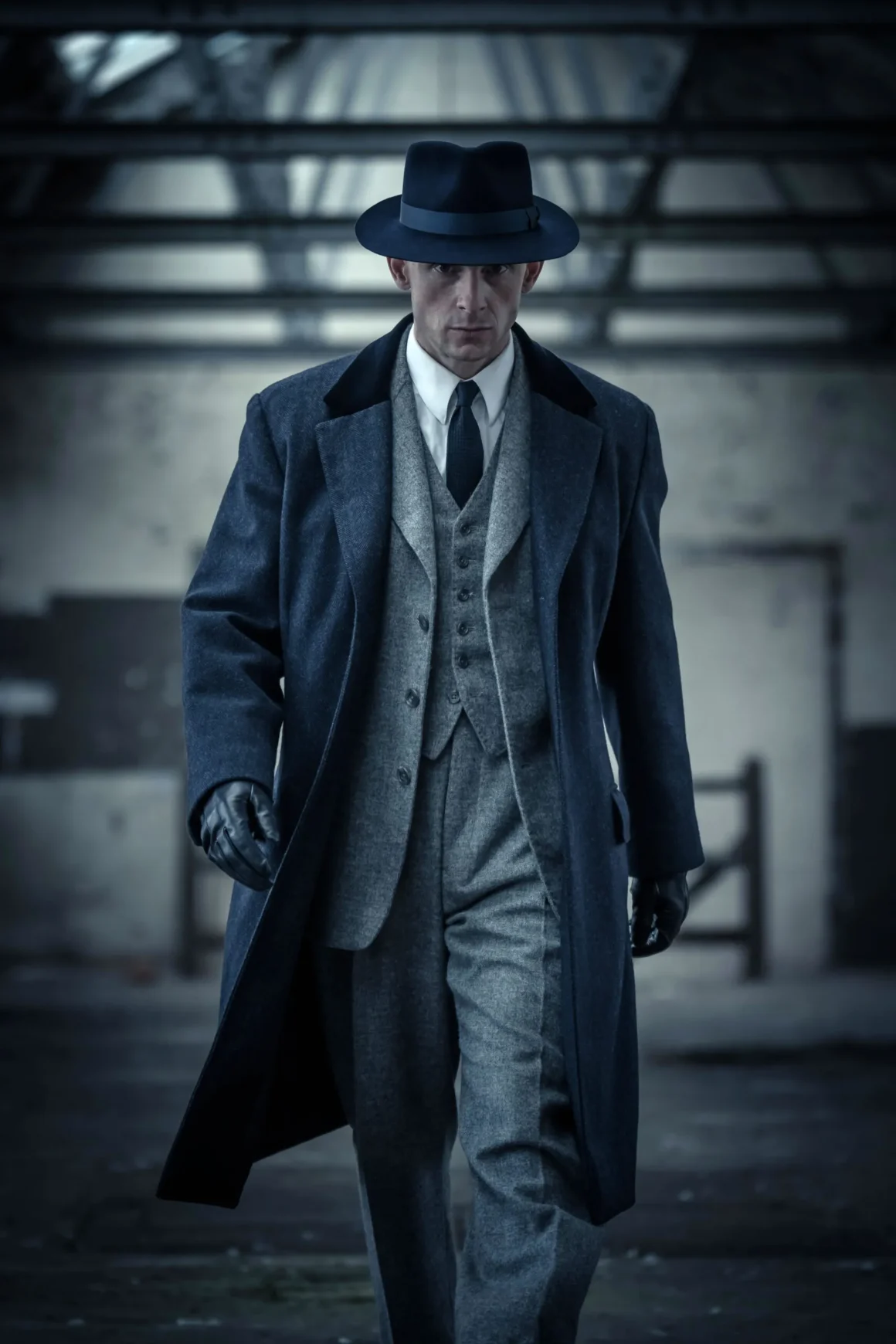
The Peaky Blinders sequel series is not coming back to continue.
Now, it is coming back to confront what it left behind.
Following Peaky Blinders: The Immortal Man, which is now available on Netflix, creator Steven Knight is opening a new chapter built around a younger generation stepping into a name that already carries weight. This no longer reflects how power works.
Instead, it is about what happens when it is inherited too early.
The Story Moves Forward, Not Back
The story takes place in the early 1950s, roughly a decade after World War II, in a Birmingham still reshaping itself.
But this is not a story about recovery.
Instead, it is about pressure.
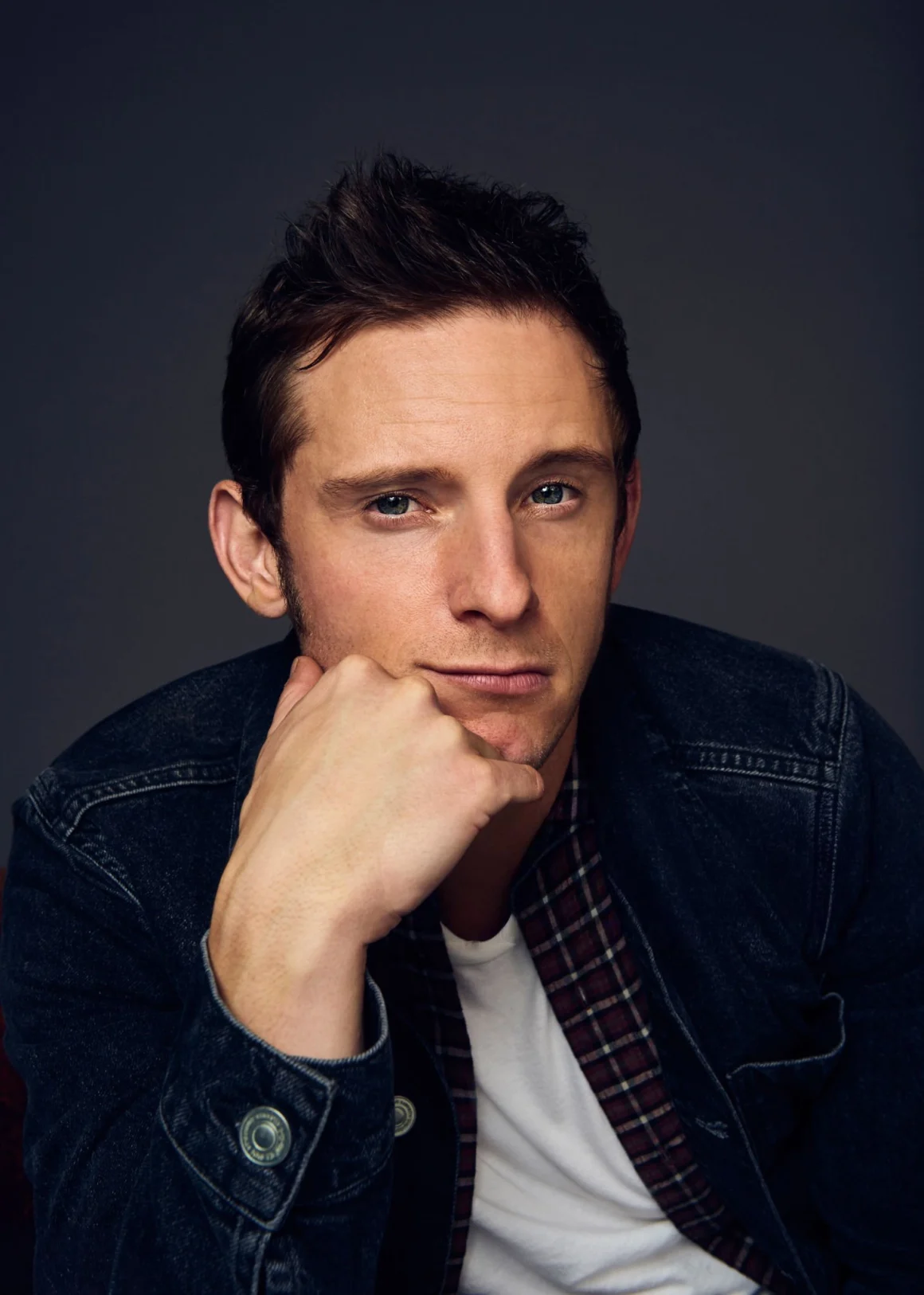
At the center is Duke Shelby, played by Jamie Bell, now older and fully inside the world he once observed from a distance. What used to be proximity is now responsibility.
At the same time, responsibility in this world rarely stays clean.
A Cast That Signals a Shift in Tone
Alongside Jamie Bell, the new series brings in Charlie Heaton, Jessica Brown Findlay, Lashana Lynch, and Lucy Karczewski, forming a lineup that immediately signals something different.


More importantly, this is not just a cast update.
It is a tonal reset.
The energy moves away from dominance and toward instability. From control to uncertainty. From a single figure to a network of competing intentions.
The Shelby name still holds its weight.
But its meaning no longer stays fixed.
Birmingham as a Battleground Again
Steven Knight describes a city rising from the aftermath of war. However, what emerges is not stability.
Instead, it is opportunity.
And with opportunity comes friction.
Power is no longer held. It is negotiated, challenged, and constantly at risk.
In this version of Birmingham, ambition moves faster than loyalty. As a result, the cost of misreading that shift feels immediate.
Why the Peaky Blinders Sequel Series Feels Different
The original series was built on control.
This one is built on exposure.
What happens when a legacy becomes heavier than the person carrying it?
As a result, that question reshapes the entire story.
Because this is no longer about creating a system.
It is about surviving a system that already exists.
And in that shift, the tension becomes quieter, but far more persistent.
What Comes Next
The Peaky Blinders sequel series will run for two six-episode seasons and will stream on Netflix, continuing the story after the recent film.
More casting details are expected, but the direction is already clear:
This is not Peaky Blinders expanding its world. It is Peaky Blinders turning inward.
And in that inward turn, the story feels less like a return and more like a reckoning.
➡️ Discover more from the evolving world of Entertainment stories that redefine iconic series.

