
A new centenary exhibition at Buckingham Palace turns one of the world’s most recognizable wardrobes into something more revealing. It shows how Queen Elizabeth II used fashion for visibility, symbolism, and public connection.
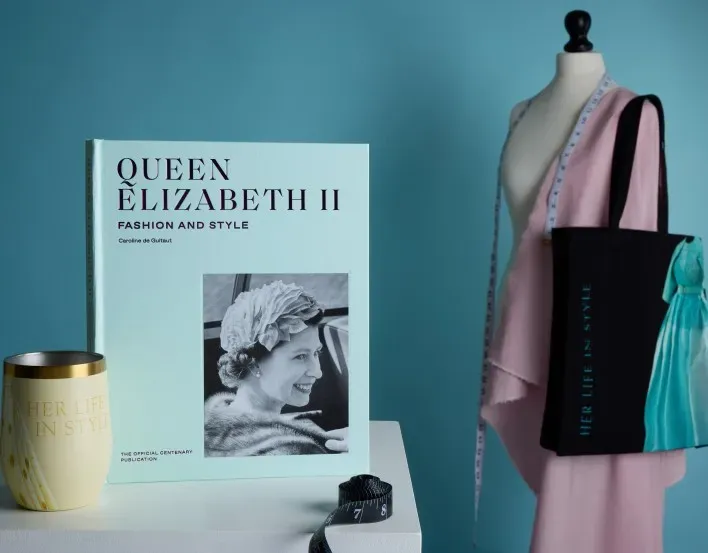
Queen Elizabeth II: Her Life in Style opens at The King’s Gallery, Buckingham Palace, and runs from April 10 to October 18, 2026. The exhibition brings together more than 300 items, with many on public view for the first time. Royal Collection Trust describes it as the largest and most comprehensive exhibition of the late Queen’s fashion ever staged.
That alone gives the show scale. However, the stronger angle sits deeper. This is not just a royal fashion display. It is a closer look at how clothing helped shape a public role across decades.
Clothes that helped people see her
The most interesting part of the exhibition is not simply glamour. It is function.
📸 Royal Collection Trust
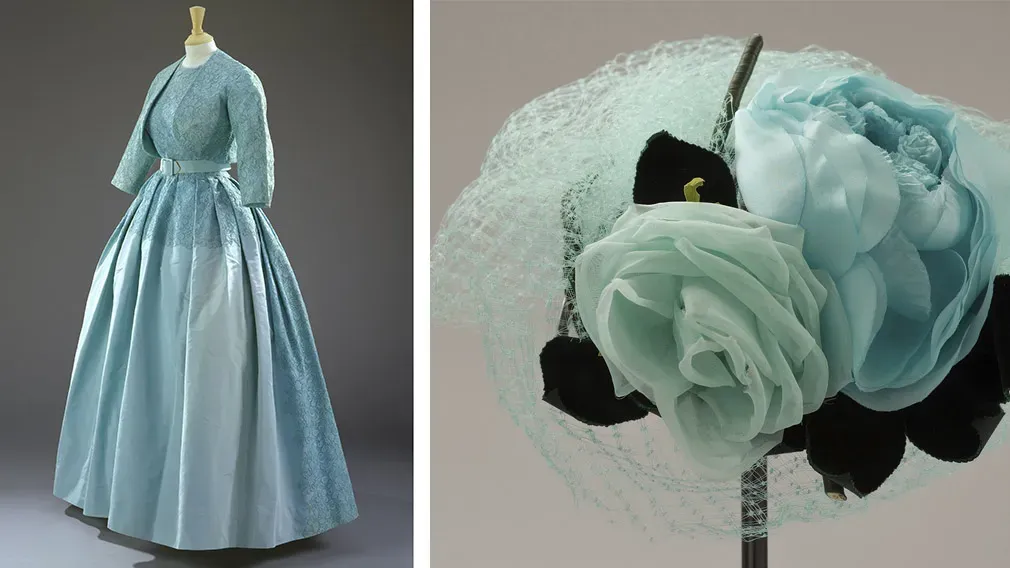
Royal Collection Trust says Queen Elizabeth II’s wardrobe helped make her visible in large crowds. Her bright coats and structured hats were not random style choices. They helped people spot her quickly and clearly. In that sense, her clothing worked like a visual language.
That idea makes the exhibition feel more current than nostalgic. Modern audiences already understand visual identity, branding, and image control. This show suggests that the late Queen practiced a refined version of all three for years. Her wardrobe did not just reflect the role. It helped her perform it.
The archive shows how involved she really was
The exhibition gains more weight because it does not stop at finished looks.
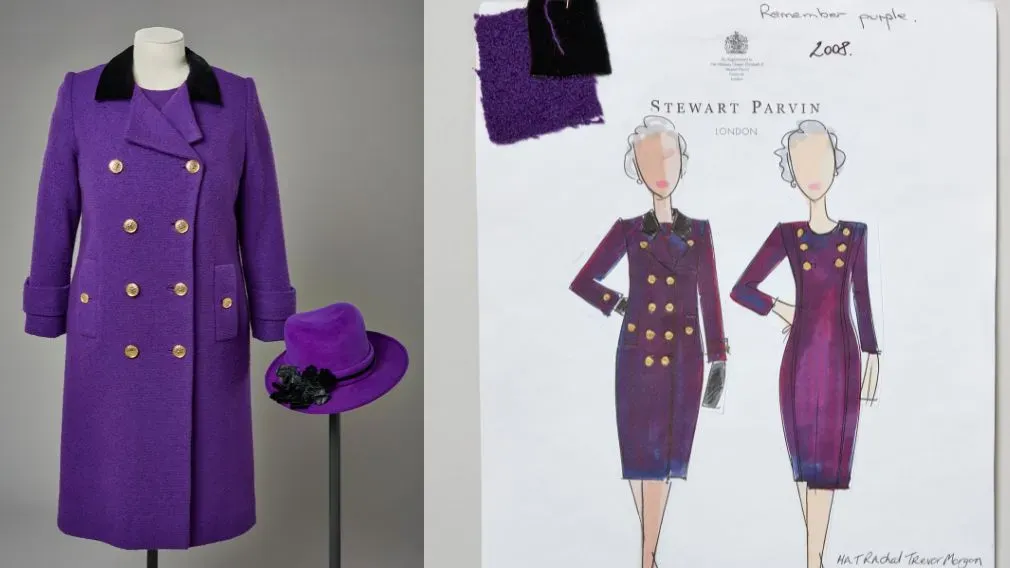
Royal Collection Trust’s Queen Elizabeth II: Her Fashion Story says the archive holds more than 4,000 items. It includes sketches, fabric swatches, and handwritten correspondence. Those materials show that the Queen took an active interest in what she wore and how those choices came together.
That detail changes the tone of the story. Instead of presenting royal fashion as something that simply appeared around her, the exhibition points to intention, collaboration, and craft. It frames style as part of her working method, not just her image.
Ceremony and diplomacy run through the show
Several headline pieces help tell that story.
Official exhibition materials highlight the christening robe, bridesmaid dress, wedding dress, Coronation dress, and the outfit she wore to Princess Margaret’s wedding. These garments matter because they map major life moments. At the same time, they show how clothing carried ceremonial meaning from an early stage.
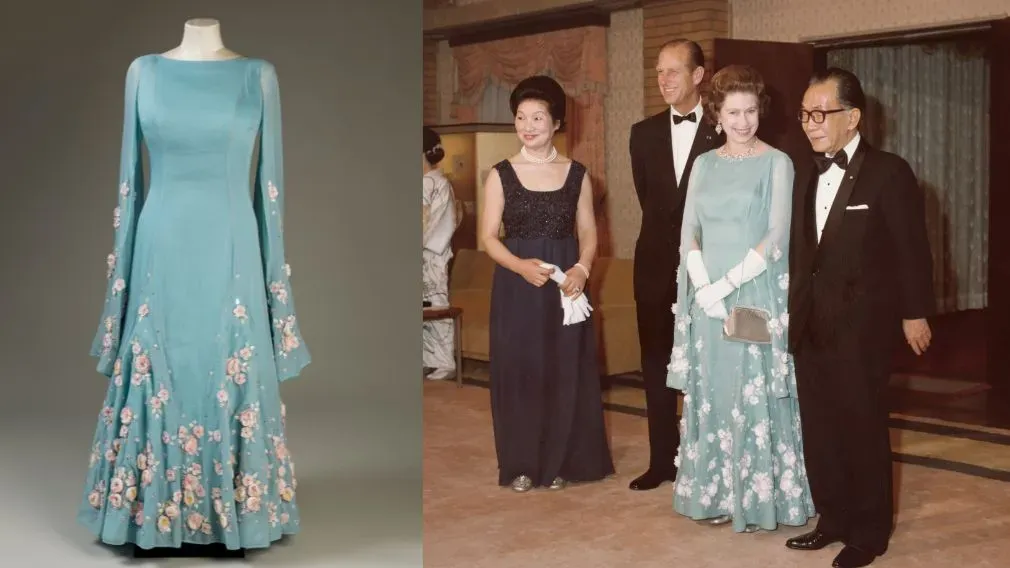
The diplomatic angle is just as strong. Royal Collection Trust says outfits for overseas tours often included colors, embroidery, or symbols linked to the country being visited. That gave each wardrobe a subtle diplomatic layer.
The Coronation Dress adds another useful example. According to Royal Collection Trust, Queen Elizabeth II asked for colored silks to enrich the design. That choice matters. It suggests direct involvement rather than distance. The result feels less like passive elegance and more like authored symbolism.
Why this exhibition stands out now
Centenary exhibitions can easily lean on memory alone. This one appears to aim higher.
The Royal Collection Trust and the Royal Family present the show as a serious study of a fashion legacy that still shapes British design culture. That point becomes clearer through the inclusion of work connected to Erdem Moralioglu, Richard Quinn, and Christopher Kane. Their presence helps link the late Queen’s archive to contemporary fashion conversations.
That is why the exhibition feels stronger than a simple retrospective. Most people already know Queen Elizabeth II had a recognizable style. The more meaningful point is that style was one of her public tools. It supported recognition, symbolism, diplomacy, and continuity. In an era built around images, that makes this Buckingham Palace exhibition feel unexpectedly current.
➡️ Follow Poziwibe Lifestyle for more stories where fashion, culture, and public identity reveal more than the headline alone.

