
Eli Lilly’s expanded partnership with Insilico Medicine signals that AI is becoming more deeply embedded in how pharmaceutical companies search for new drugs.
Artificial intelligence has been part of the healthcare conversation for years. This deal gives that shift a more concrete shape. Eli Lilly has expanded its partnership with Insilico Medicine in an agreement worth up to $2.75 billion. The deal gives Lilly access to Insilico’s AI-powered discovery platform. It also gives the company exclusive worldwide rights to develop, manufacture, and commercialize selected oral drug candidates that are still in preclinical development.
What makes this deal different
The size of the agreement draws attention. The structure behind it matters more. This is not a loose innovation partnership or a vague AI experiment. It is a research and licensing deal tied to real therapeutic programs. Under the announced terms, Insilico will receive $115 million upfront. It could also earn development, regulatory, and commercial milestone payments, along with tiered royalties on future sales.
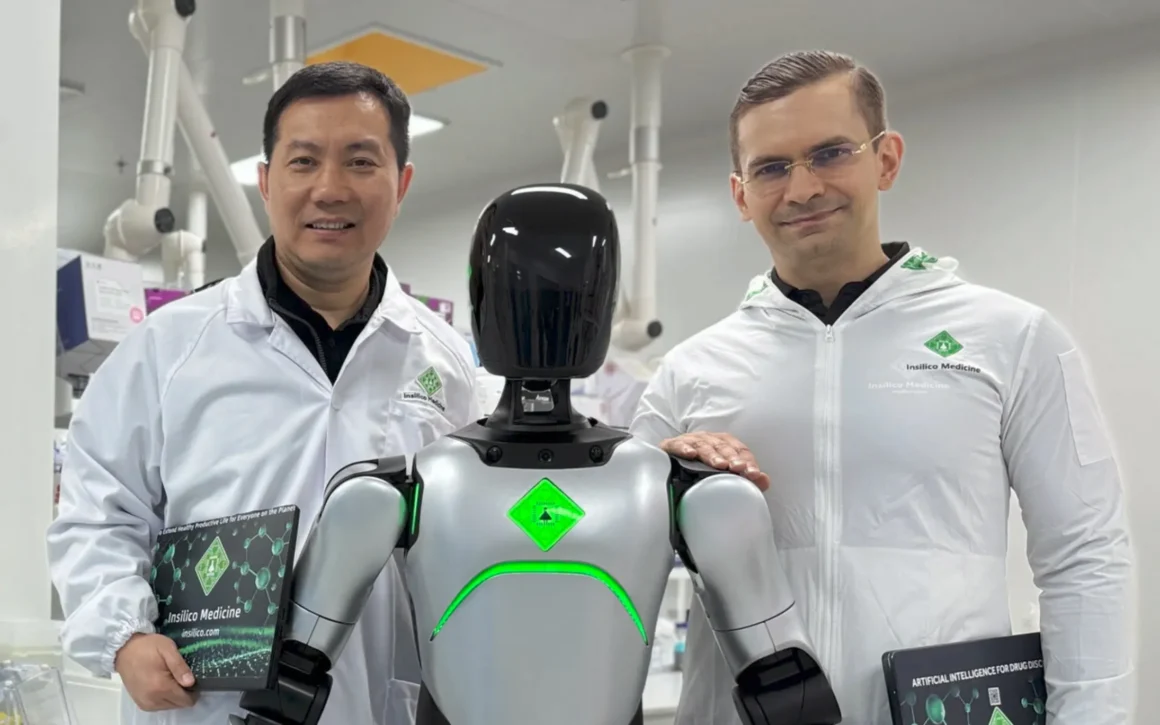
That makes this more than a large headline number. It shows where confidence is starting to land. AI is moving closer to the center of drug development. This is where companies decide which candidates are worth pursuing and how early they can move them forward.
What Lilly and Insilico each bring
The partnership works because the roles are clear. Lilly brings development experience, clinical scale, and global commercialization power. Insilico brings an AI platform designed to identify biological targets and support drug discovery across multiple disease areas.
Together, this creates a model in which software is not replacing pharmaceutical research. Instead, it is becoming part of how that research is organized and accelerated. AI is no longer just an added layer. It is starting to shape how future drug pipelines may be built.
A bigger shift in drug discovery
This latest agreement builds on an existing relationship. Lilly and Insilico first began working together in 2023 through an AI software licensing deal. They expanded that collaboration again in November 2025. This new agreement suggests the partnership is moving beyond experimentation and into something more central.
Insilico has also said its AI systems are used by 13 of the world’s top 20 pharmaceutical companies. That signals this approach is becoming more common across the industry.
For a broader audience, the takeaway is simple. The race to discover new medicines may increasingly depend not only on lab science. It may also depend on how quickly companies can identify promising targets and move them forward. If that shift continues, deals like this may matter less because of their size. They may matter more because of what they reveal about how drug discovery itself is changing.
➡️ Explore more Technology coverage on Poziwibe about how AI is shaping real-world industries.

