
A new fibre optic record is pushing internet capacity into a scale that feels almost impossible to picture. Researchers led by University College London say they reached 450 terabits per second through installed fibre in London — enough, by their estimate, to stream roughly 50 million movies at once.
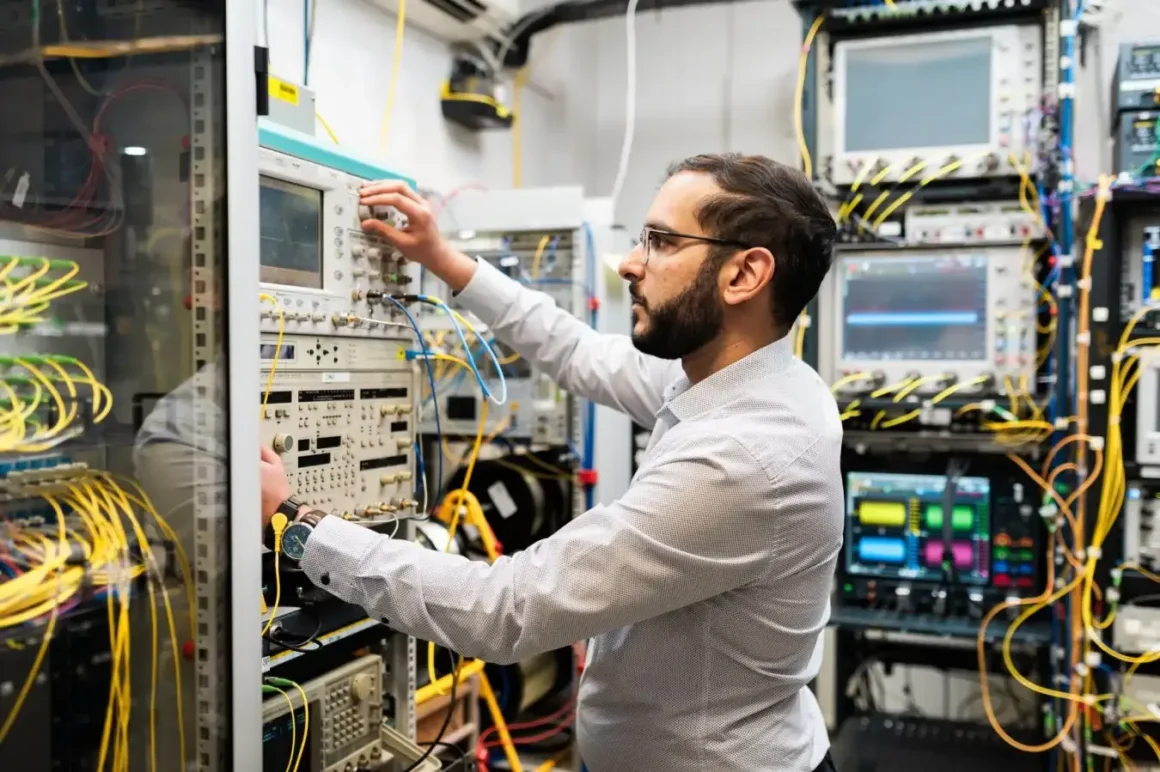
That number is striking, but it is not really the point. The deeper shift is that internet infrastructure is being built to handle far more data at the same time than it used to.
More than a speed story
It is easy to read this as another “faster internet” headline. It is not.
This is about capacity — how much data networks can carry simultaneously, not how quickly one person loads a page or starts a stream. As AI systems, cloud platforms, and large-scale services continue to expand, that distinction is starting to matter more.
The future of the internet is not just about speed. It is about scale.
Why this matters now
What gives this result weight is how it was achieved.
The test ran over installed fibre infrastructure in London, rather than a purely isolated lab setup. That does not mean it will roll out overnight, but it does suggest that existing systems may still have more headroom than expected.
It also fits a broader pattern. In recent years, optical transmission records have been rising quickly, with multiple teams pushing beyond 400 terabits per second. This result reinforces that direction rather than standing apart from it.
What this could change over time
The impact is not immediate, but it is structural.
Systems that depend on continuous data flow — cloud computing, AI workloads, research networks — are where this kind of capacity matters first. More headroom there means fewer bottlenecks, more stability, and more room to grow.
For everyday users, those changes usually arrive later, often without a clear moment when things suddenly feel different.
Not something you will feel tomorrow
Breakthroughs like this take time to move into real-world infrastructure.
They need to be tested, standardised, and integrated into commercial systems. That process can take years. So this is not a next-week upgrade story.
It is a signal about direction — and about how far the limits are still moving.
A quieter shift in what’s possible
Most people experience the internet through apps, devices, and platforms.
But the deeper changes happen underneath, in the systems carrying everything else. That is where capacity expands first, long before it becomes visible.
And when those changes finally surface, they rarely feel dramatic. They feel like the new normal.
➡️ Explore more in Technology stories that track how infrastructure changes q

