
Apple has moved Apple TV HD and iPad mini 4 into its obsolete category, ending official repair support for devices that may still feel fully alive in everyday use.
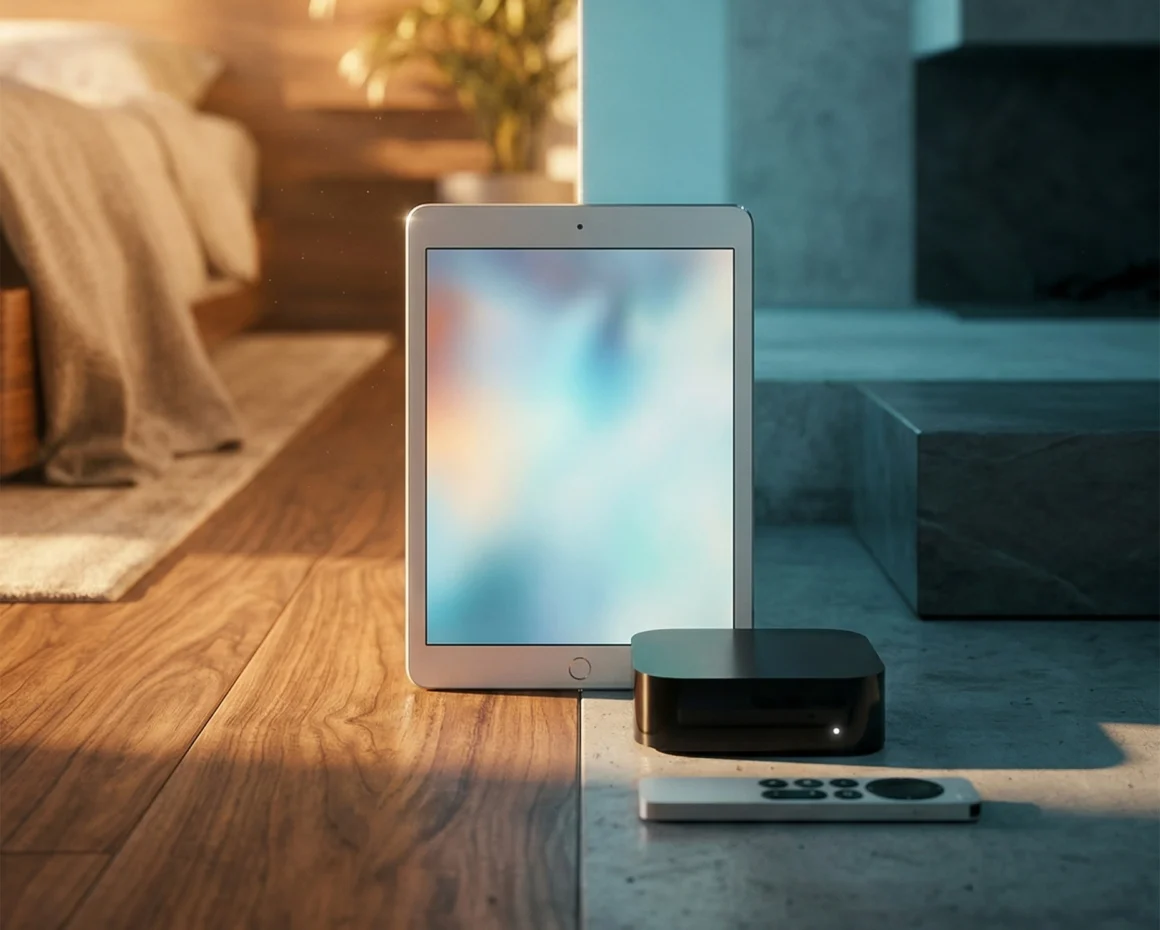
Apple has updated its vintage and obsolete products page, adding Apple TV HD (32GB) and both Wi-Fi and cellular versions of iPad mini 4 to its obsolete list.
This latest update to Apple’s obsolete products list quietly redraws the line between a device that still works and one Apple no longer officially stands behind.
The 13-inch MacBook Air from 2017 was also added to the vintage list, but that is the smaller part of the story. The more meaningful shift is what happens when a device moves from simply being old to being officially unsupported.
When the Apple obsolete products list turns devices officially unsupported
Apple’s definitions are simple, but their consequences are not.
A product becomes vintage when Apple stops distributing it for sale more than five and less than seven years ago. It becomes obsolete once that period passes seven years.
That difference matters. Vintage products may still be serviced if parts are available. Obsolete products can no longer be serviced by Apple.
That is where this update stops feeling like a support-page detail and starts feeling real.
A device can still turn on, still stream, still work exactly as it did the day before. But once Apple marks it obsolete, the company is making something official: the product may still function, but the support relationship is over.
The device still works. The status does not.
That contrast is what gives the story its weight.
Apple TV HD and iPad mini 4 are not distant or forgotten devices. They are the kind of products people may still have in a living room, a kitchen, or a drawer they reach into without thinking twice.
Nothing in the hardware suddenly changes. There is no dramatic failure point, no visible shutdown, and no big announcement to signal that a chapter has closed.
What changes is Apple’s position on the product — and that quiet shift redraws the boundary of the ecosystem.
This is why the story is really about product lifespan. Tech companies do not just decide how products enter people’s lives. They also decide when those products officially stand outside the circle of support, even if those devices still feel completely active in everyday use.
What the change means for owners
The impact is practical rather than dramatic.
Official repairs disappear. Long-term ownership becomes less certain, even if the device itself continues to work.
That shift can also affect how a product feels in the secondhand market. Once a device enters the obsolete category, resale confidence tends to soften because the official safety net is gone.
The 2017 MacBook Air, now on the vintage list, remains in a more flexible position. It may still be serviced if parts are available. Obsolete is the harder line.
It is Apple’s quiet way of saying that a product’s official life has reached its endpoint.
➡️ Explore more Technology coverage on Poziwibe about the quiet shifts that change how modern devices live, age, and fall out of support.

