
Aion RT Super grabs attention with its low entry price and 99-second battery swap. The bigger shift is what it suggests about battery swapping becoming part of everyday EV ownership.
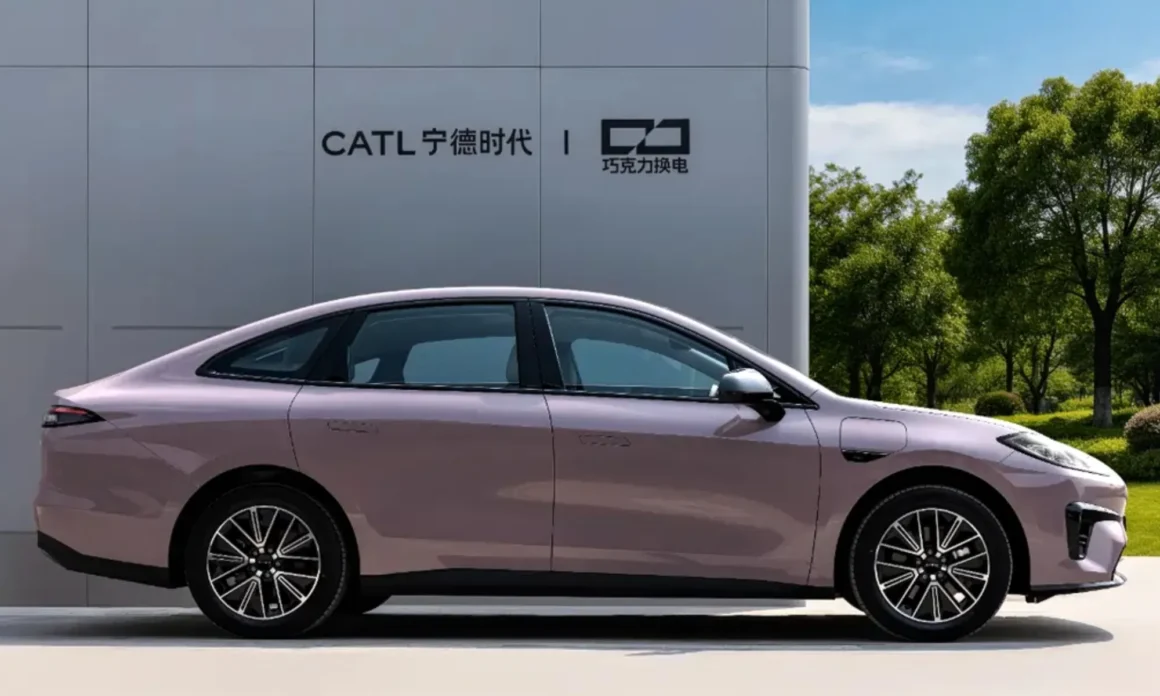
Aion RT Super sounds easy to frame as a simple price story. At first glance, it looks like another attention-grabbing EV launch built around a low entry number and a few standout specs. However, the more interesting part is not just the sedan itself. It is the ownership model taking shape around it.
The widely repeated RMB 88,800 figure, roughly $13,000, is tied to a battery-rental structure rather than a standard battery-included purchase price. That detail changes the tone of the story. This is not only about making an EV look cheaper. It is about making the entire idea of EV ownership feel lighter at the point of entry.
That is why the Aion RT Super feels worth a closer look. Its 99-second battery swap and budget-friendly positioning suggest a future where drivers may not have to treat charging as the defining ritual of electric driving. If that shift holds, the bigger story is not one affordable sedan. It is battery swapping moving closer to the everyday consumer experience.
The sedan matters, but the system matters more
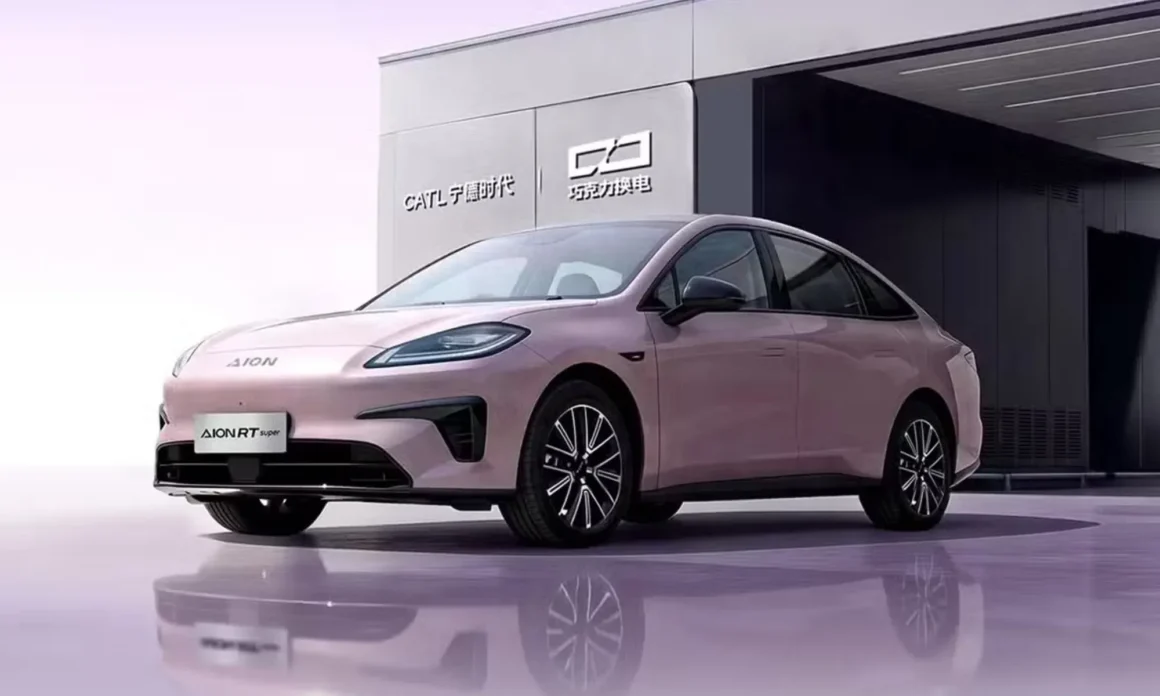
Launch coverage says the Aion RT Super uses a 54 kWh CATL battery, offers 505 km of CLTC range, supports 30% to 80% charging in 26 minutes, and can complete a 99-second battery swap. Those numbers are strong enough on their own to make the car stand out in the budget EV conversation. Still, the more interesting layer is that the car is being positioned inside a broader swap ecosystem rather than as a lone technical curiosity.
That is where CATL’s official framing becomes important. In its Choco-Swap ecosystem launch, the company described battery swapping as a standardized system built around flexible battery use, leasing, and cross-brand service. CATL said users would move away from buying the entire battery pack upfront and toward a model based more on usage and battery access. It also announced partnerships with automakers including GAC and said ten swap-ready models had already been launched into the ecosystem.
Why this feels bigger than one affordable EV
Battery swapping has existed as an idea for years, yet it often felt like a side road. What makes the Aion RT Super more interesting is that it does not show up alone. CATL, GAC, and JD.com had already unveiled the Aion UT Super in November 2025 as another low-cost model built around battery leasing and 99-second swaps. That makes the RT Super look less like a flashy experiment and more like part of a growing consumer playbook. The real signal here is repetition. When multiple mainstream-priced vehicles start arriving with the same logic, the market begins to treat the idea more seriously.
The infrastructure story helps too. In CATL’s 2026 expansion update, the company said it planned to open more than 3,000 Choco-Swap battery swap stations across 140 cities in China by the end of 2026. Its 2025-end reporting also said the network had already deployed more than 1,000 stations across 45 cities. That does not prove battery swapping has won, but it does push the concept closer to infrastructure confidence rather than demo-stage novelty.
What this could change for everyday EV buying
For many drivers, EV hesitation still comes down to ritual more than engineering. Charging time, battery aging, and upfront cost all shape the decision. The Aion RT Super suggests one possible answer to those worries: buy the vehicle at a lower initial price, treat the battery as an ongoing service, and rely on a network designed to make replenishment almost invisible. That model will still depend on coverage, trust, and long-term economics. Even so, it already feels more consumer-ready than it did a year ago.
That is why this story feels worth more than a spec-sheet reaction. The sedan may draw the click, but the deeper development is that battery swapping is starting to look less like a niche workaround and more like a real attempt to redesign EV convenience itself. For a visual-led official source, the AION RT model page is the cleanest primary reference for featured or in-article image sourcing.
➡️ Explore Poziwibe Technology for more stories where the real shift is bigger than the product launch.

