
As NASA’s crew moves deeper into space, the mission is starting to land less as a technical achievement and more as a human realization: Earth looks smaller, rarer, and harder to take for granted.
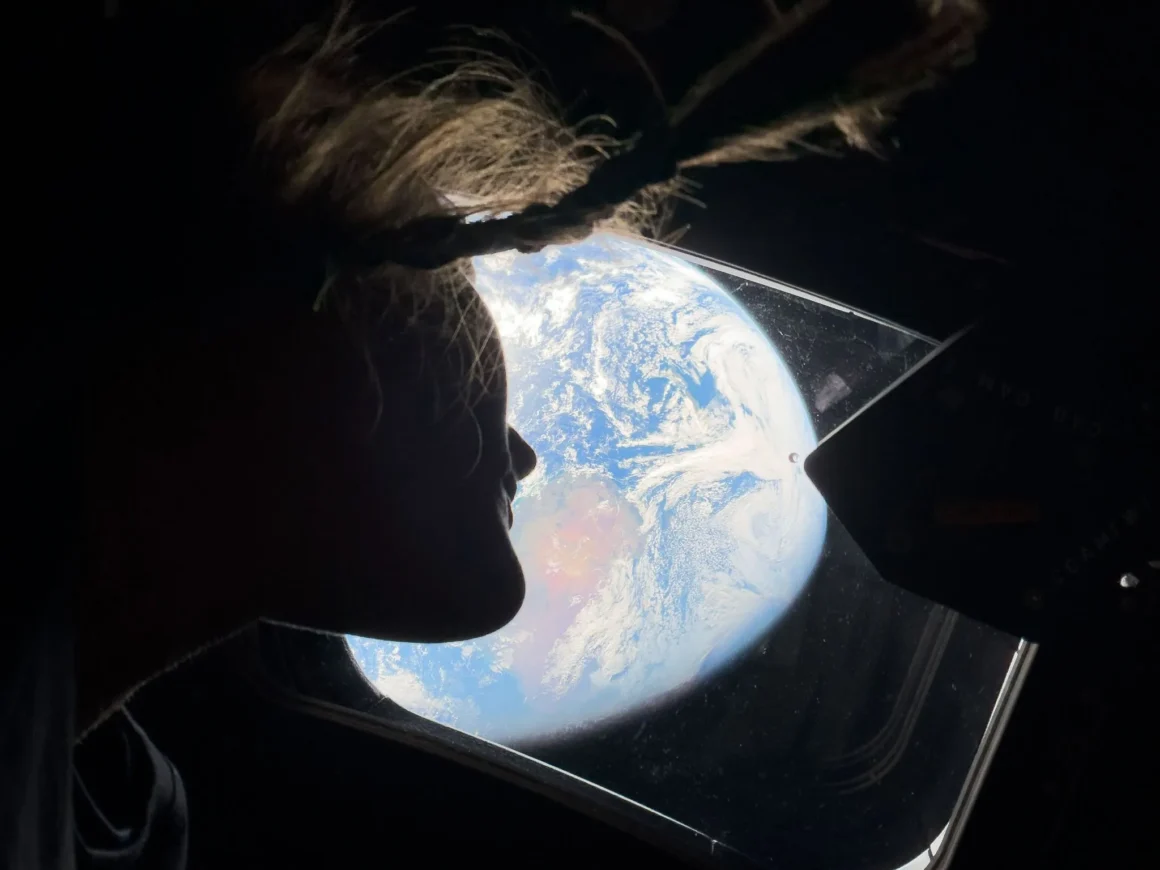
Artemis II is on its way around the Moon, and this Artemis II Earth perspective is already changing how the astronauts describe the planet itself. The mission matters technically, but what is starting to stay with people is something simpler. Distance is making Earth feel less ordinary.
What makes this Artemis II Earth perspective land is not the mission timeline. It is the way distance is changing what the astronauts are noticing.
Once Orion left Earth orbit after its translunar injection burn on April 2, the crew became the first people to go beyond Earth orbit since Apollo. Soon after, Earth stopped reading like background. It became the subject.
That shift is what gives the story its weight. The farther the crew gets from Earth, the less this feels like a transportation update and the more it feels like a perspective event.
When Earth stops looking ordinary
Reid Wiseman said one moment left all four astronauts frozen when Mission Control rotated Orion and the full Earth filled their windows. He called it “the most spectacular moment,” a reaction that says a lot about what deep space does to scale.
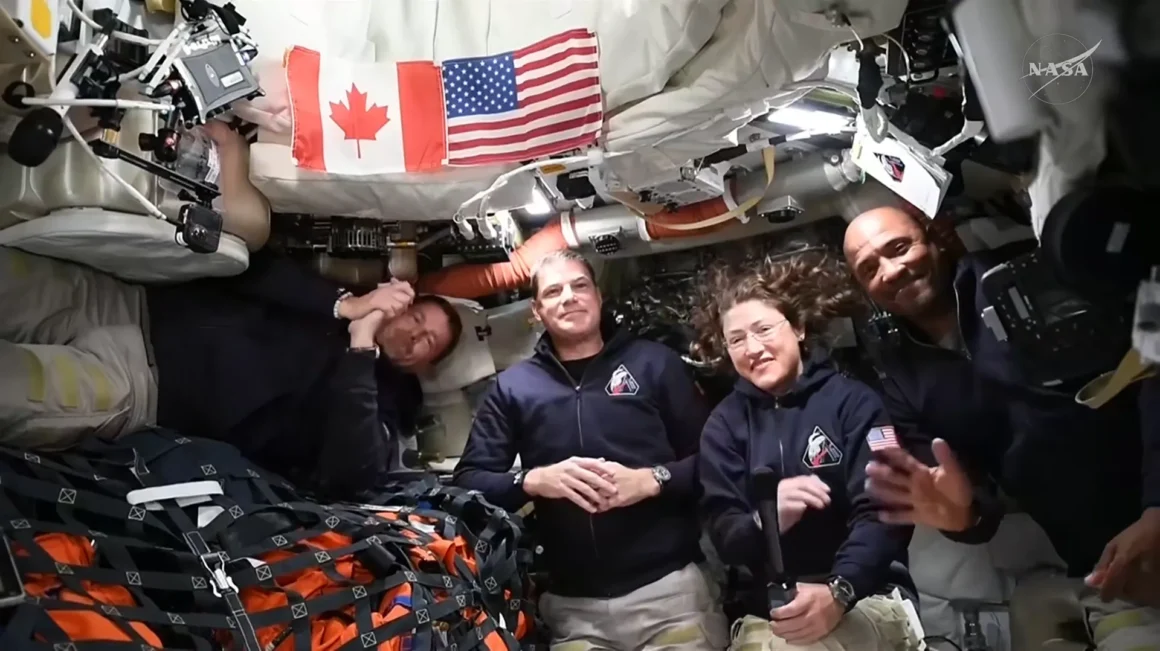
Victor Glover’s comments pushed that feeling even further. Looking back at Earth, he said the planet appears as “one thing” and that “we’re all one people.” In a later reflection from space, he described Earth as an “oasis” inside the emptiness around it.
That is why people are reacting to this mission the way they are. Not because Orion is functioning as planned. Not because humans are headed around the Moon again. People are reacting to the way the astronauts are describing Earth once it is no longer filling the frame.
Distance is doing the editorial work
The visual logic of Artemis II is becoming very clean. The Moon is getting larger. Earth is shrinking. Orion is moving through an almost empty field of black, while the only thing that looks visibly alive is the blue planet behind it.
That contrast is what turns the mission human. Space looks vast, but not hospitable. Earth looks small, but complete.
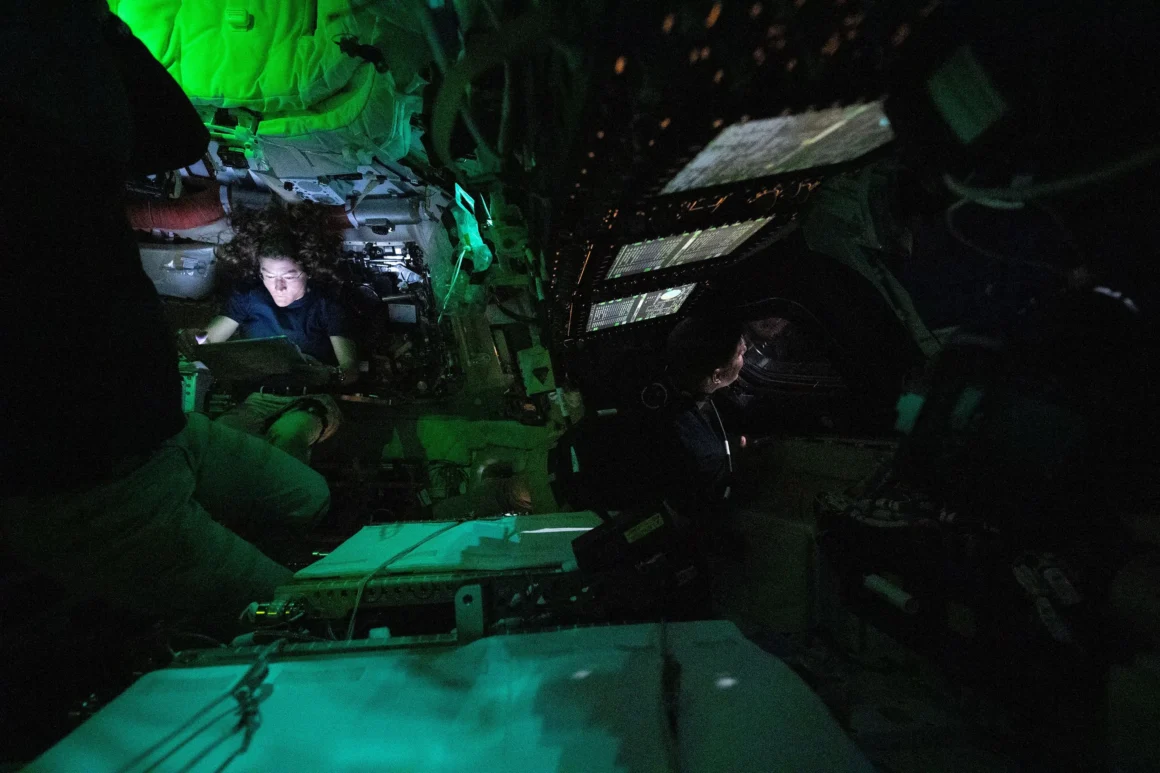
Even early reactions from the crew captured that tension — Earth appearing as a shrinking, sunlit globe against darkness.
The result is unusually simple. Artemis II is making Earth feel less familiar and more precious. That is a much stronger story than a standard mission recap, and it is the reason this moment is traveling well beyond space audiences.
➡️ Explore more Poziwibe Technology stories that turn major science updates into clear, human-centered reading.

