
As Orion moves behind the Moon, the Artemis II crew enters the Artemis II Moon blackout phase and temporarily loses contact with Earth during the mission’s most isolated and operationally critical stretch in deep space.
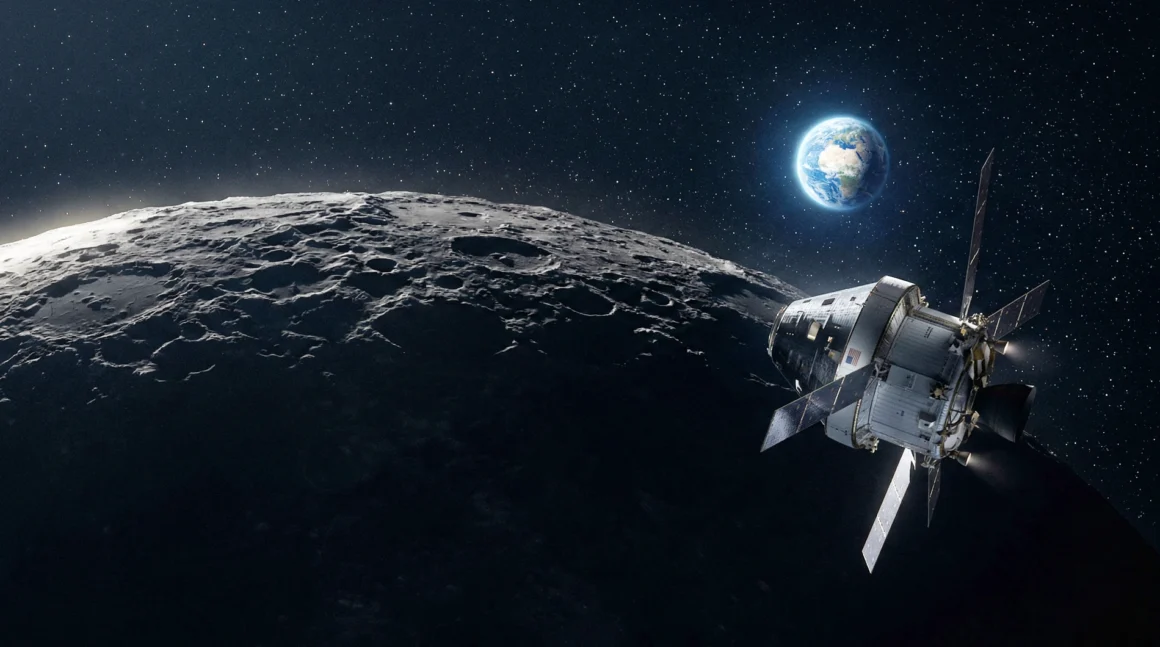
Artemis II has reached a defining moment as the Artemis II Moon blackout phase begins. The crew is preparing to pass behind the Moon and lose contact with Earth. This blackout is expected, but it marks a clear shift. The mission stops feeling symbolic and starts operating as a real deep-space test. For a short period, the crew remains completely out of communication while traveling farther from Earth than any humans before them.
This is the stage where distance becomes practical, not just impressive.
This blackout phase is part of the mission
As the Orion spacecraft moves along the Moon’s far side, it will lose radio contact with Earth and create a temporary communication blackout.
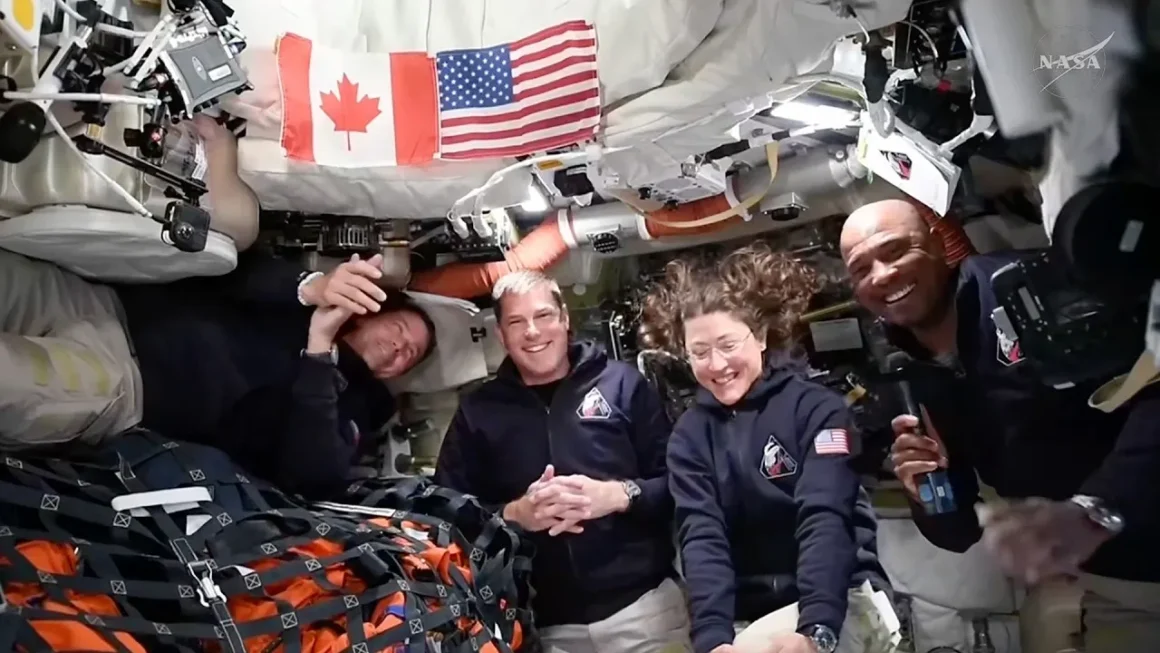
The mission design includes this loss of contact. It still matters. The crew must operate without live communication, turning isolation into part of the test.
How far this mission actually goes
During this phase, the Artemis II crew will travel through a region no human mission has reached since Apollo more than 50 years ago.
The astronauts will also document parts of the Moon that humans have not directly seen in decades. This adds a visual layer, but the mission focuses on systems, timing, endurance, and crew performance.
What matters here is not spectacle. It is whether human spaceflight can still work reliably at this distance.
What this stage is actually testing
Artemis II is not a landing mission. It tests the spacecraft, the crew, and the demands of operating beyond Earth orbit.
This stage tests whether humans can operate beyond Earth orbit under real conditions.
➡️ If you’re following how space missions actually work beyond the headlines, Technology on Poziwibe will keep this mission clearly in view.

