
The new Artemis II Earthset images show what happens when a spacecraft carries people far enough for Earth to stop filling the frame.
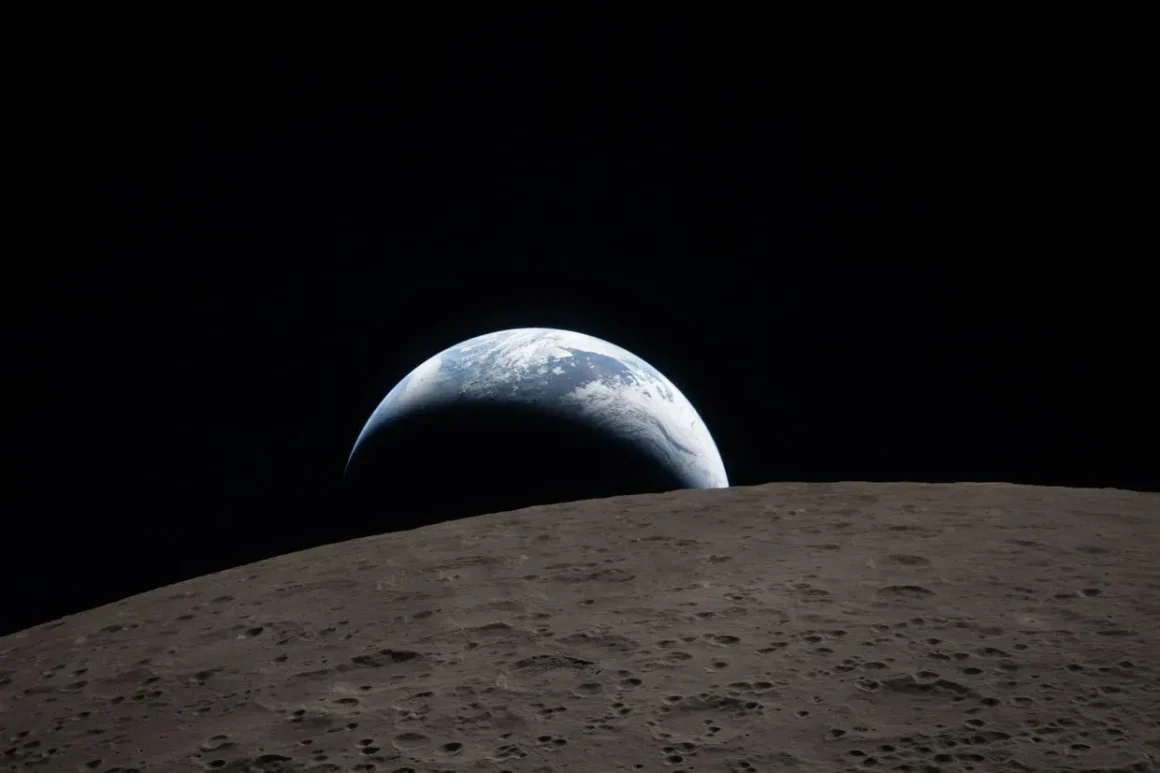
The most striking part of the new Artemis II Earthset coverage is how quickly the scale changes. During the April 6 lunar flyby, Orion passed behind the Moon, reached a record distance from Earth, and returned images that make that distance easy to read. Instead of showing Earth as the fixed center of everything, the photos show it slipping into the background.
Artemis II Earthset turns Earth into one object in the frame
The image most people will remember is the Earthset frame. NASA says it was taken through Orion’s window at 6:41 p.m. EDT on April 6, just as Earth dropped below the lunar horizon. Part of the planet was already in darkness, while cloud bands remained visible over Australia and Oceania. Ohm crater sits in the foreground.
What makes the image work is how plain it is. Earth is still familiar, but it no longer controls the picture. From Orion, the planet stops looking like the center of everything and starts looking like one object in a much larger scene. That is what gives the image its force.
A space-only eclipse adds to the Artemis II Earthset moment
NASA also released an image of the Moon fully covering the Sun during the same flyby. From the crew’s position, the alignment created nearly 54 minutes of totality. The corona stayed visible around the Moon, stars appeared in the background, and faint Earthshine lit part of the lunar surface.
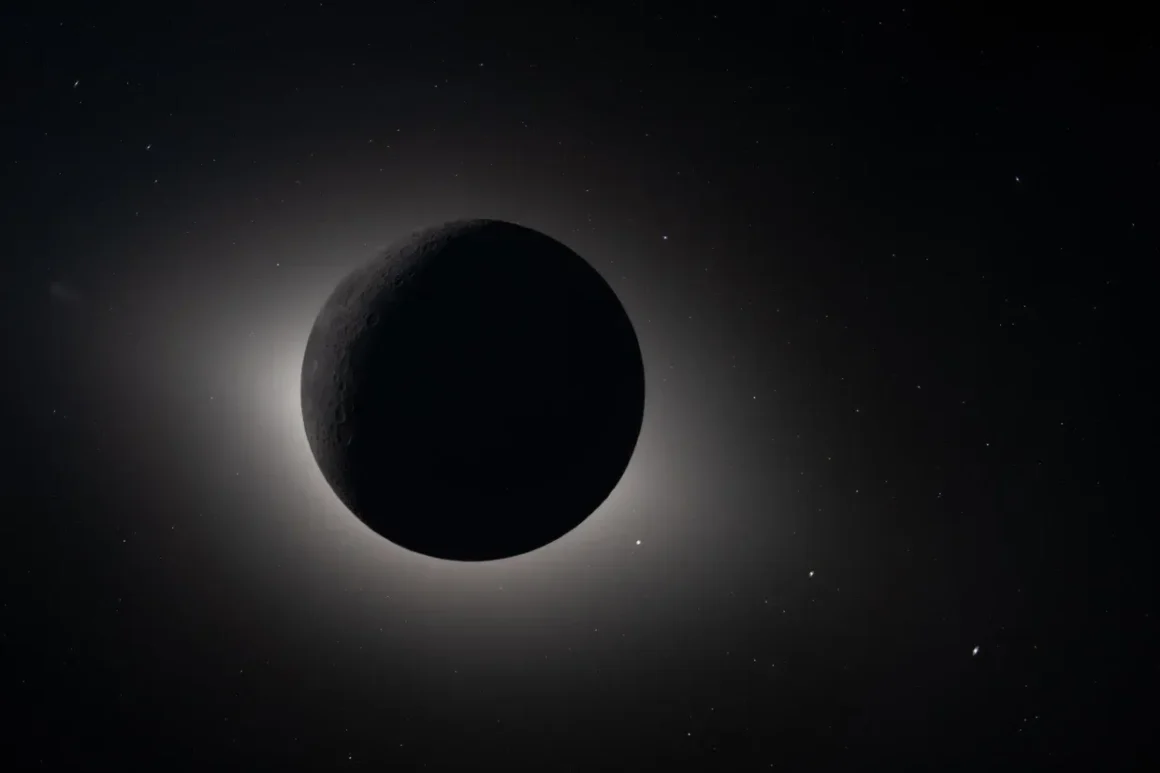
CBS also reported that the crew used eclipse glasses until the Sun was fully blocked. Victor Glover later said the real view looked stranger and fuller than the photo could show. So this was not just an eclipse in space. It was a view created by Orion’s exact position.
The Moon looks like real terrain in the new flyby images
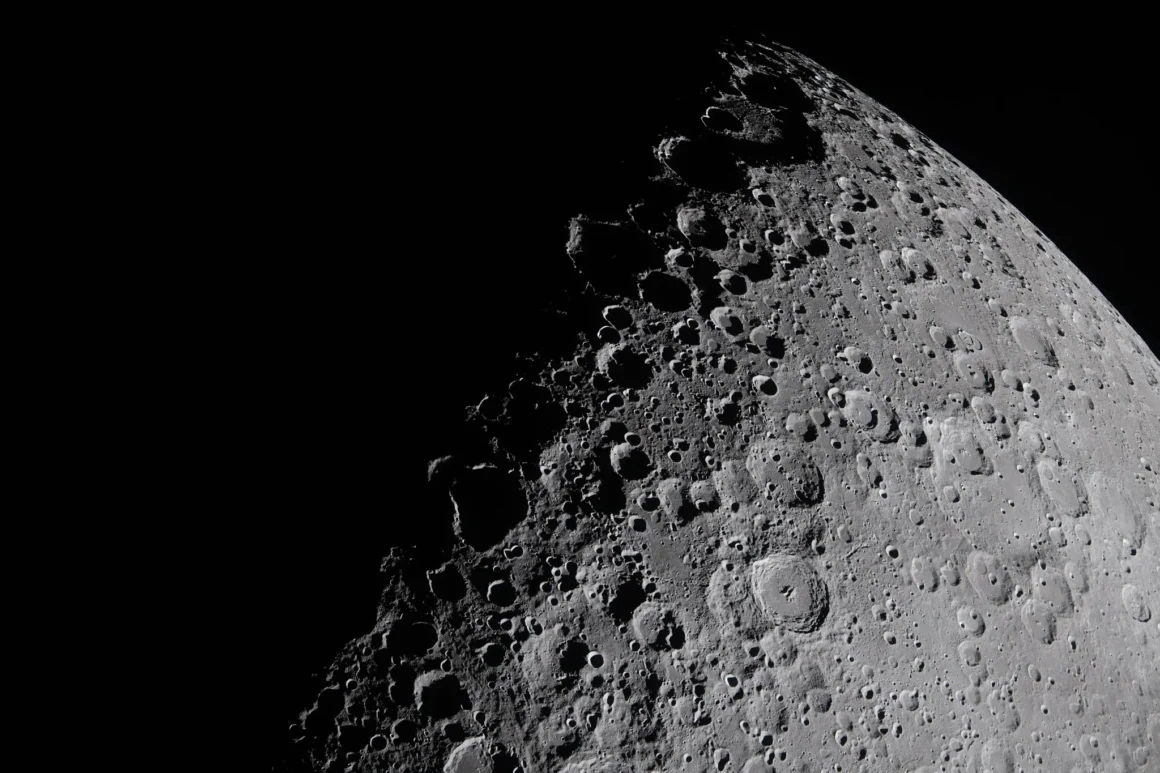
Another image shows the Moon along the line between lunar day and night, where low-angle sunlight stretches shadows across craters and ridges. NASA says the frame came during the crew’s far-side observation period. In that light, the Moon looks less symbolic and more like real ground with edges, texture, and depth.
Taken together, the new images do something rare. They make distance readable at a glance. Artemis II did not just go around the Moon. It returned with a set of views that show what that trip changes in human sight. NASA says the crew is now heading home, with splashdown scheduled off the coast of San Diego on Friday, April 10.
➡️ Technology on Poziwibe follows the moments when missions, tools, and systems change what people are able to see, measure, and understand.

