
Police in California can now cite companies when driverless cars break traffic laws. A gap that left violations without a clear recipient will close on July 1.
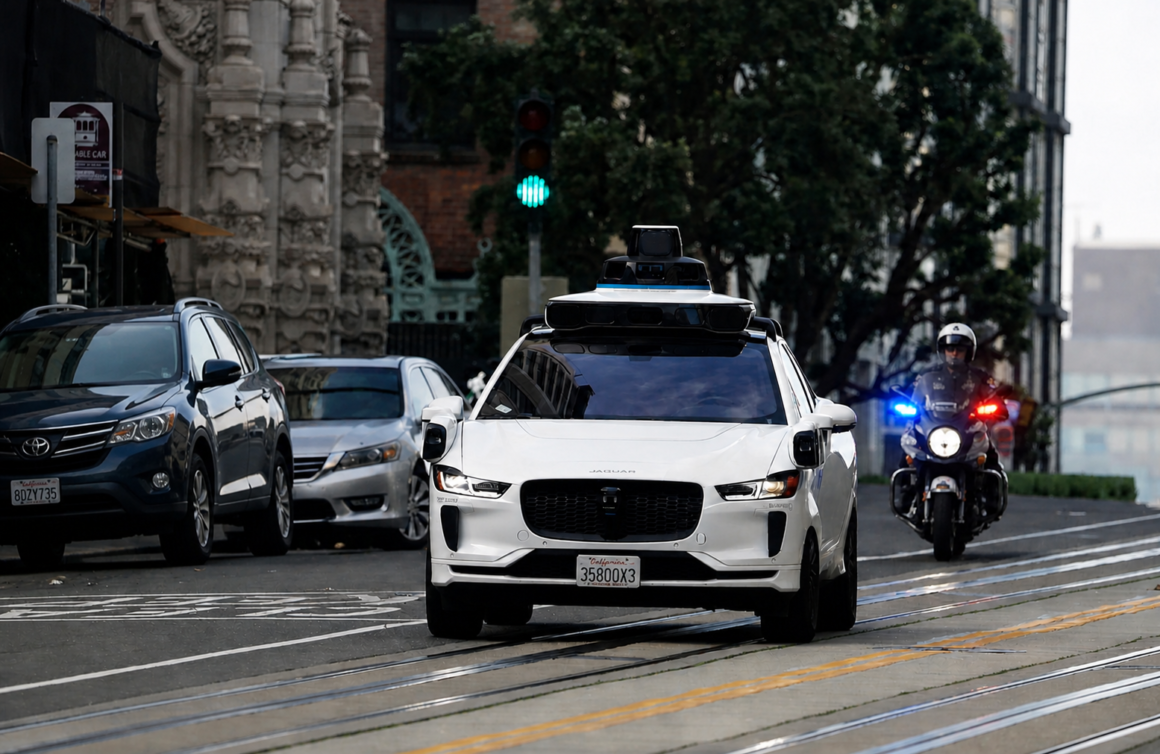
Driverless cars have been on the road for years, but enforcement never fully caught up. When a violation happened, officers could stop the vehicle, but there was no driver to ticket. The process often ended there.
Streets no longer treat them differently
That gap became clear in San Bruno. Police stopped a Waymo vehicle after an illegal U-turn. The car pulled over, but no citation could be issued. Officers had to contact the company instead of taking action on the spot.
Under the new rules, that changes. Police can now send a formal “notice of AV noncompliance” directly to the company behind the vehicle.
Responsibility now sits with the company
The update defines who is accountable. The absence of a driver no longer limits enforcement.
Operators are required to respond to police and emergency calls within 30 seconds. Vehicles must avoid active emergency scenes and cannot block response routes. If those conditions are not met, penalties can follow.
When cars stop, the city feels it
The change follows real incidents on city streets.
During a blackout in San Francisco, several Waymo vehicles stalled in intersections, adding to traffic congestion. Fire officials have also reported cases where robotaxis slowed or blocked emergency response.
No longer an exception
Waymo remains one of the most active robotaxi operators in California, while companies like Tesla continue testing autonomous systems under state permits.
With the new rules in place, driverless cars are no longer treated as a special case.
On California streets, they are now subject to the same rules as any other car.
➡️ This kind of urban rule shift shows up on Poziwibe in Lifestyle.
