
A rail construction site in central Mexico turns into an unexpected pause, as a buried ritual structure surfaces near one of the country’s most historic landscapes.
Construction sites are built to move forward.
This one stopped.
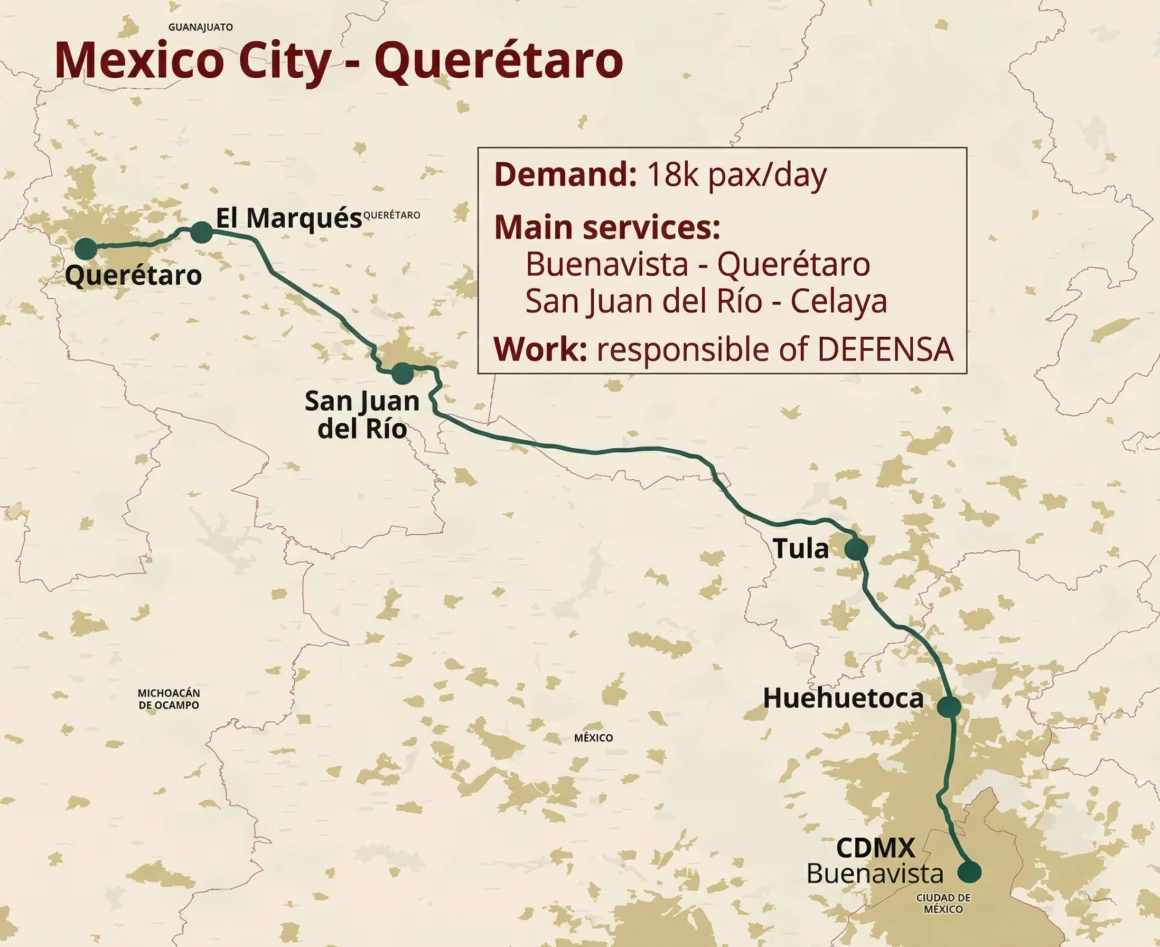
During rail infrastructure work in Mexico, workers uncovered a buried sacrificial altar believed to date back around 1,000 years. The discovery was made along a rail route passing near the Tula Archaeological Zone, a region closely tied to the Toltec civilization.
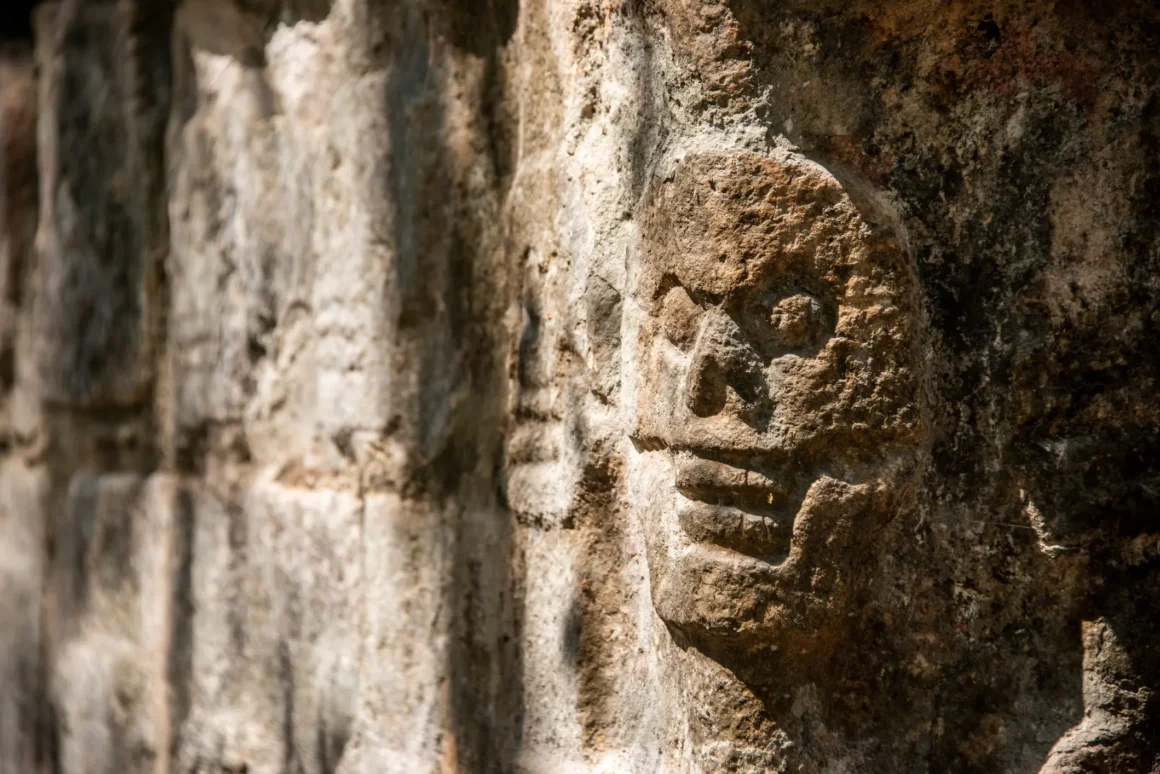
What began as routine excavation quickly shifted into a controlled archaeological response.
Because this was not just a structure. It carried intention.
A Discovery Within a Historic Context
The location changes how the find is understood.
Tula, in the state of Hidalgo, is one of Mexico’s most important archaeological regions. Known for its monumental remains and cultural influence, it rarely reveals well-defined ritual elements outside its central zones.
That is what makes this discovery notable.
It suggests that ceremonial practices may have extended beyond what has already been mapped and studied.
More Than Stone
Initial evaluations indicate the structure functioned as a sacrificial altar, likely used in ceremonial or ritual contexts. While further analysis is ongoing, its form and placement point clearly toward symbolic use rather than everyday activity.
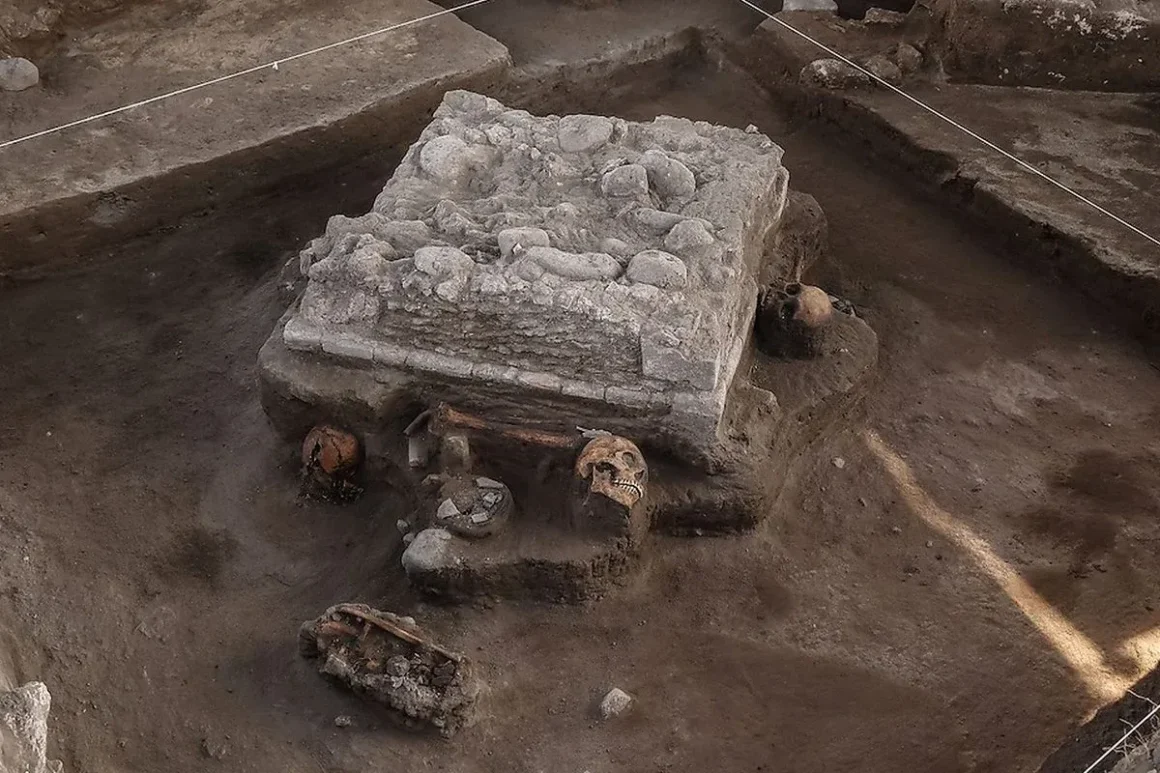
This shifts the story away from object and toward meaning.
This is about belief, not function.
When Construction Meets Preservation
Following the discovery, construction work was paused to allow archaeologists to document and carefully recover the structure. Sites like this require precision, not only because of physical fragility, but because of cultural significance.
Preservation here is not optional. It is essential.
A project designed to create speed and connection encounters a space that once served reflection, ritual, and controlled acts.
A Landscape That Still Holds Its Layers
What makes this moment stand out is the overlap.
A ritual structure, built centuries ago, emerges directly within the path of modern infrastructure.
That alignment is rare.
It shows that the ground beneath contemporary projects is not empty. It is layered with histories that do not always stay buried.
Why This Moment Matters
Archaeological discoveries during construction are not uncommon. But ritual structures carry a different kind of weight, especially in regions already defined by cultural depth.
This altar is not just evidence of the past.
It is a reminder that meaning once shaped this landscape as much as movement does today.
And for a moment, everything had to stop.
➡️ Explore more Nature stories that reveal how the past continues to surface in unexpected ways.

