
For years, virtual reality has relied on sight and sound. Now VR scent technology is opening a new path.
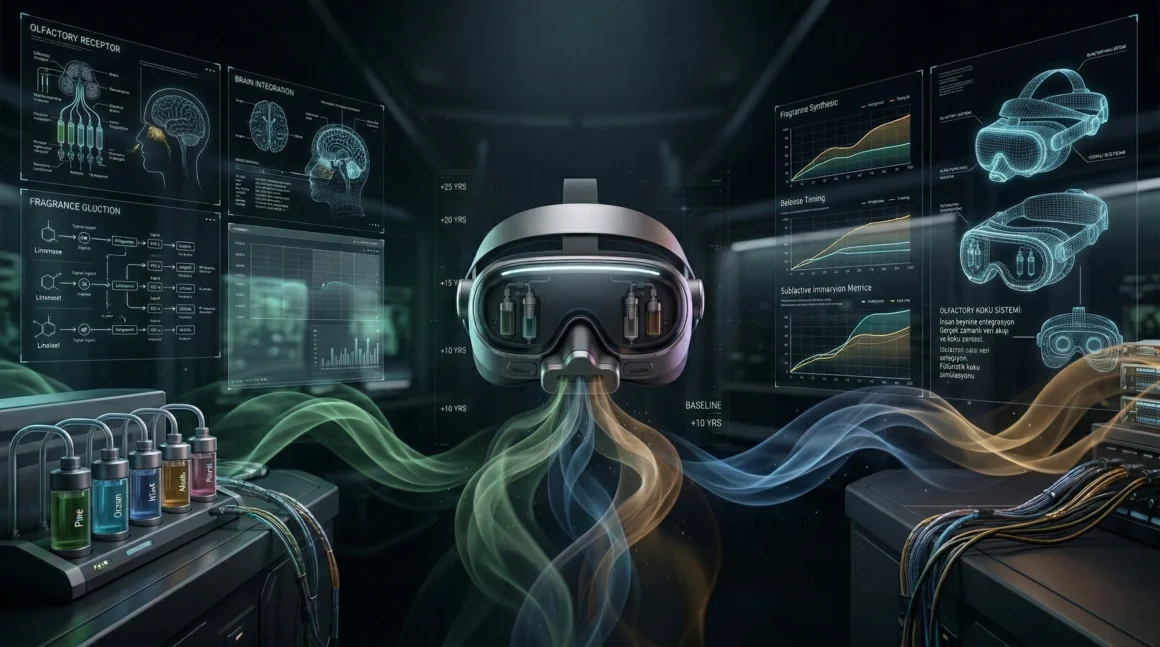
Researchers at the Institute of Science Tokyo built an experimental wearable scent display that can blend up to eight fragrance components in real time. This is not a store-ready product. It is a research prototype. Even so, it shows where immersive tech may go next. Science Tokyo says the system adjusts odor intensity while users move through virtual scenes.
VR scent technology is still a prototype
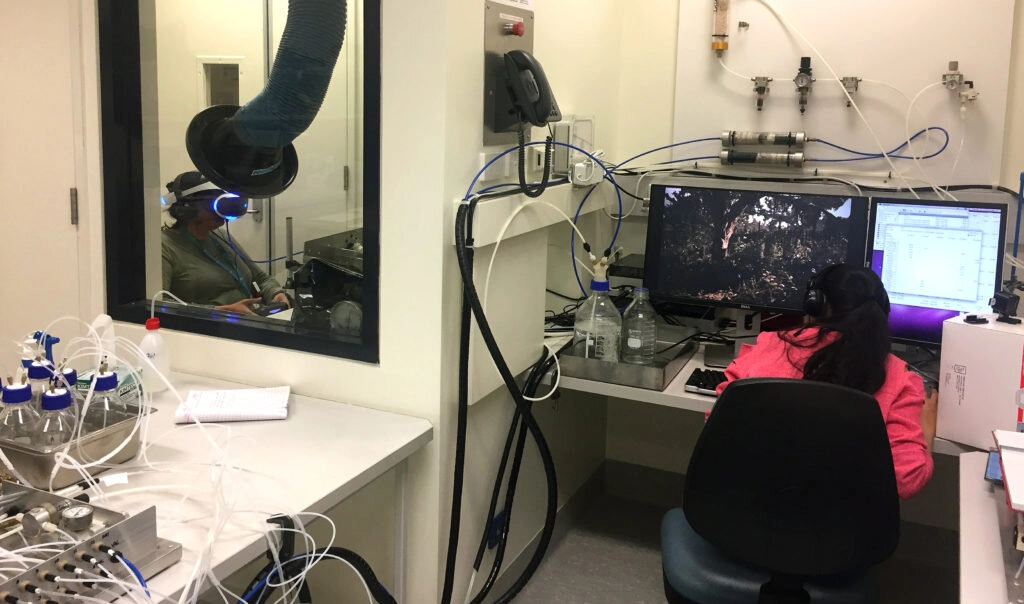
That distinction matters. The announcement describes a research system, not a commercial launch. It does not list a release date, price, retail partner, or preorder plan. Earlier 2024 papers tied to the same project also call the device a prototype. One conference paper says the team built and attached a prototype wearable olfactory display to a headset. Another demo paper describes it as an eight-channel prototype designed for immersive VR use.
Why smell changes the VR experience
The core idea is simple. Places do not feel real through visuals alone. A forest, a café, and a beach may look different on screen. However, smell can make each one feel more distinct. Science Tokyo says the device uses a microdispenser, a surface acoustic wave atomizer, and an electroosmotic pump to control fragrance output. That design turns smell into part of the interface, not just a gimmick. In the team’s virtual travel demo, participants also reported a stronger sense of presence when scent was added.
Smell in VR could matter beyond games
This story is not only about entertainment. A 2025 study in Scientific Reports explored olfactory VR gaming in older adults and reported gains in some visuospatial and memory-related tasks. Separately, a 2024 Nature Communications paper described a wearable olfactory interface for mixed reality and pointed to possible uses in education, clinical treatment, and human-machine interaction. Together, those studies suggest that smell could support training, learning, and rehabilitation as well as immersion.
The bigger shift is still ahead
At the same time, this field remains early. Researchers still need to solve timing, portability, scent clearing, and repeatable dosing. A 2024 review of olfactory display designs for VR makes clear that the category is still evolving, not settled. That is exactly why this prototype is worth watching. It does not prove that smell-powered VR is ready for consumers. Instead, it offers a credible glimpse of how virtual experiences may grow beyond sight and sound
➡️ Explore more Poziwibe Technology stories that track where immersive media is heading before it turns into everyday consumer tech.

