
A fossil no larger than a crow is quietly reshaping how we understand one of evolution’s most defining moments.
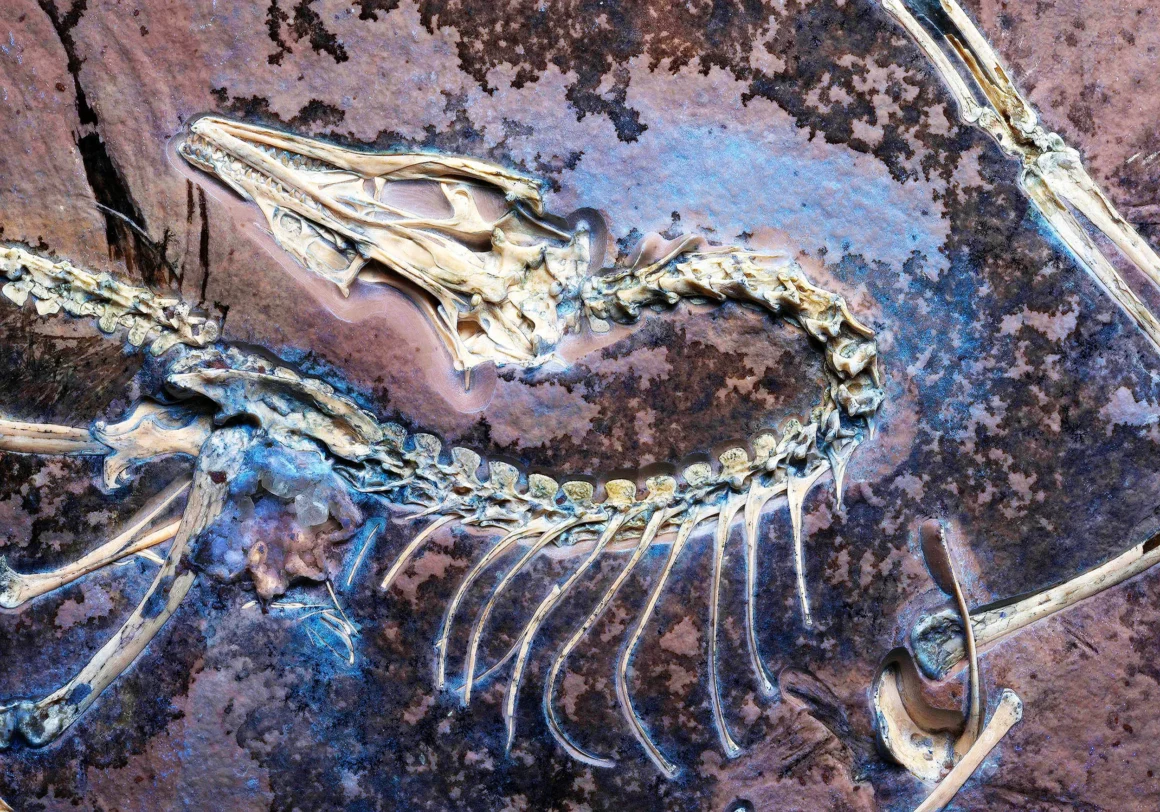
Scientists have uncovered an exceptionally well-preserved archaeopteryx fossil, offering a rare glimpse into how early wings may have actually functioned. Unlike most discoveries, this specimen does not only preserve bones — it carries traces of soft tissue that reveal movement, control, and structure.
A Fossil That Preserved More Than Bones
Fossils usually speak through skeletons. Muscles, skin, and other soft tissues almost always vanish over millions of years.
This discovery breaks that pattern.
Researchers identified preserved soft tissue structures that provide new insight into how the wings of this archaeopteryx fossil operated. These details suggest a more complex system of movement than previously understood, pointing to strength and flexibility that cannot be inferred from bones alone.
It shifts the conversation from what early wings looked like to how they actually worked.
Rethinking Flight Evolution Through Archaeopteryx Fossil Evidence
For decades, Archaeopteryx has been central to one of evolution’s biggest questions: how did flight begin?
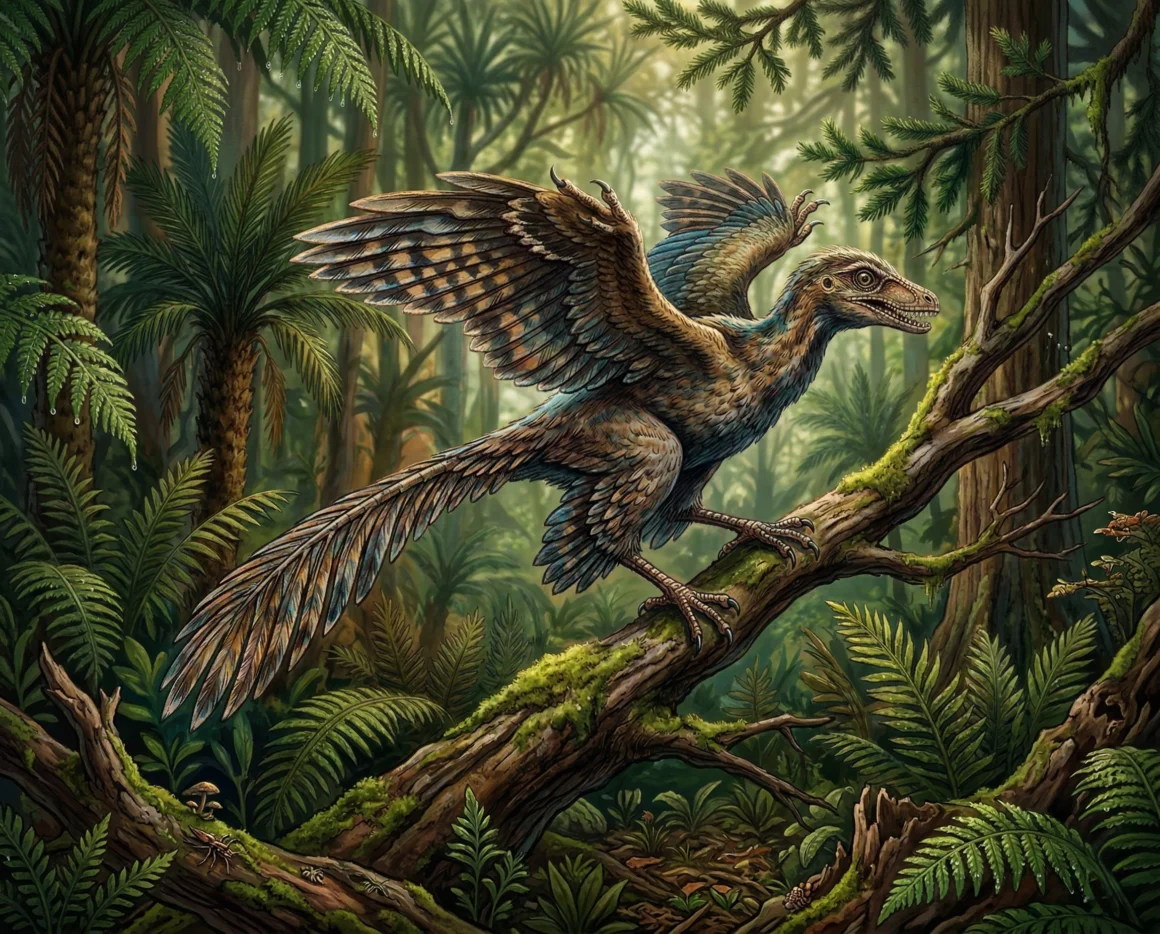
This discovery adds weight to the idea that flight did not appear suddenly. Instead, it likely developed through gradual changes — where gliding, controlled descent, and flapping slowly merged into something more advanced.
The preserved soft tissues suggest that this transitional species already had a level of wing control beyond simple gliding. It represents a stage where flight was not fully formed, but no longer primitive.
Why This Discovery Still Matters Today
Beyond the scientific detail, the meaning of this discovery runs deeper.
It reinforces a core principle of evolution: complex abilities emerge step by step. Flight, now one of nature’s most refined traits, may have started as a series of imperfect adaptations.
This archaeopteryx fossil flight evolution finding captures one of the most important transitional moments in natural history.
It also shows how a single discovery can reshape understanding. When preservation reaches this level of detail, it can challenge long-standing interpretations and refine how we see the past.
A Snapshot of Evolution in Motion
There is something quietly powerful about this fossil.
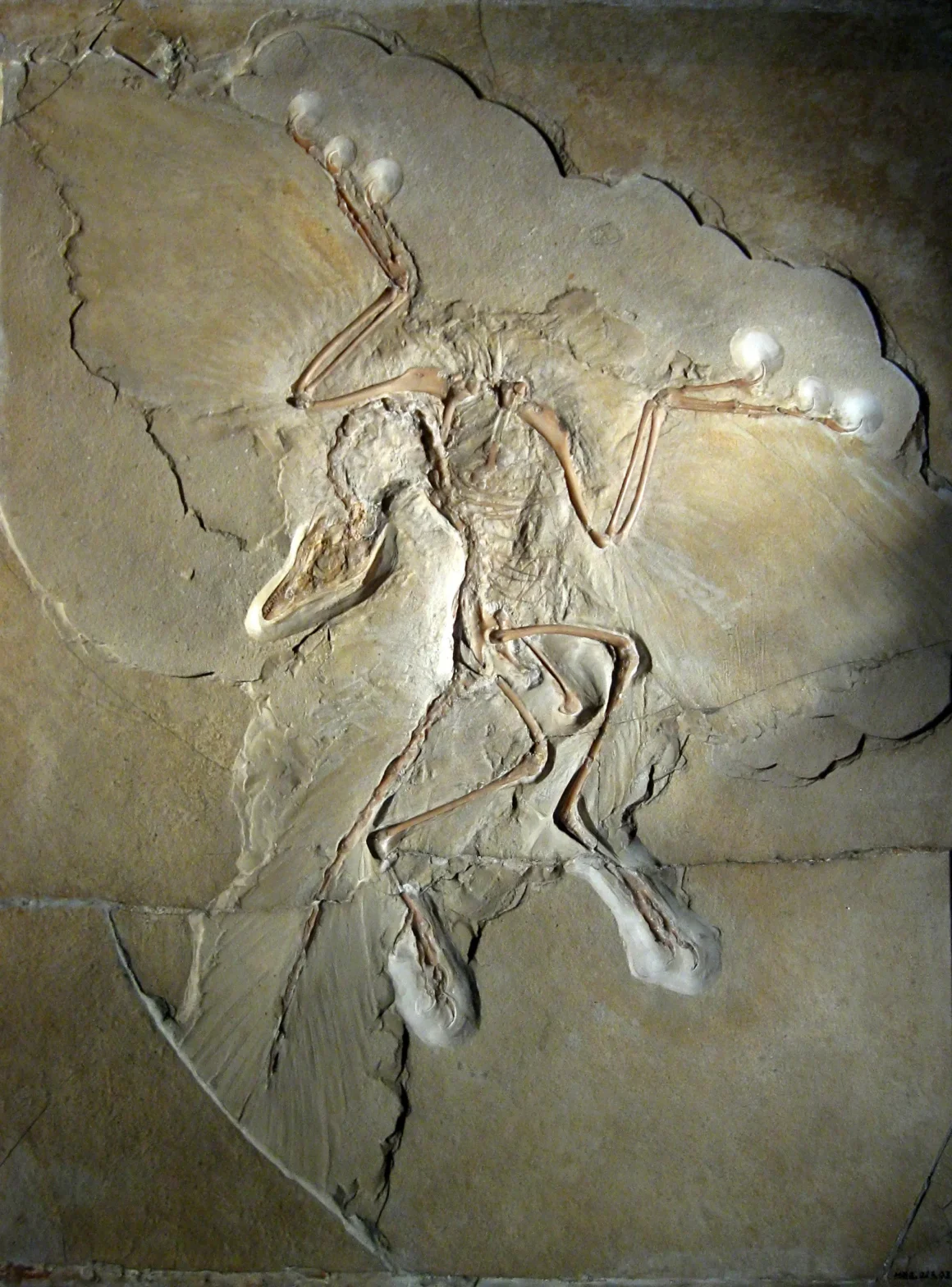
It does not just support a theory — it visualizes a transition.
In this archaeopteryx fossil, we see evolution not as an abstract idea, but as a real, physical process. A moment where the line between dinosaur and bird had not yet fully settled.
And that is what makes it worth noticing.
Because sometimes, the biggest changes in nature do not arrive fully formed. They emerge slowly, leaving behind fragments that only millions of years later begin to make sense.
➡️ You can explore more stories like this in our Nature section.

