
It started as a short, confusing clip. Within hours, it became something else entirely.
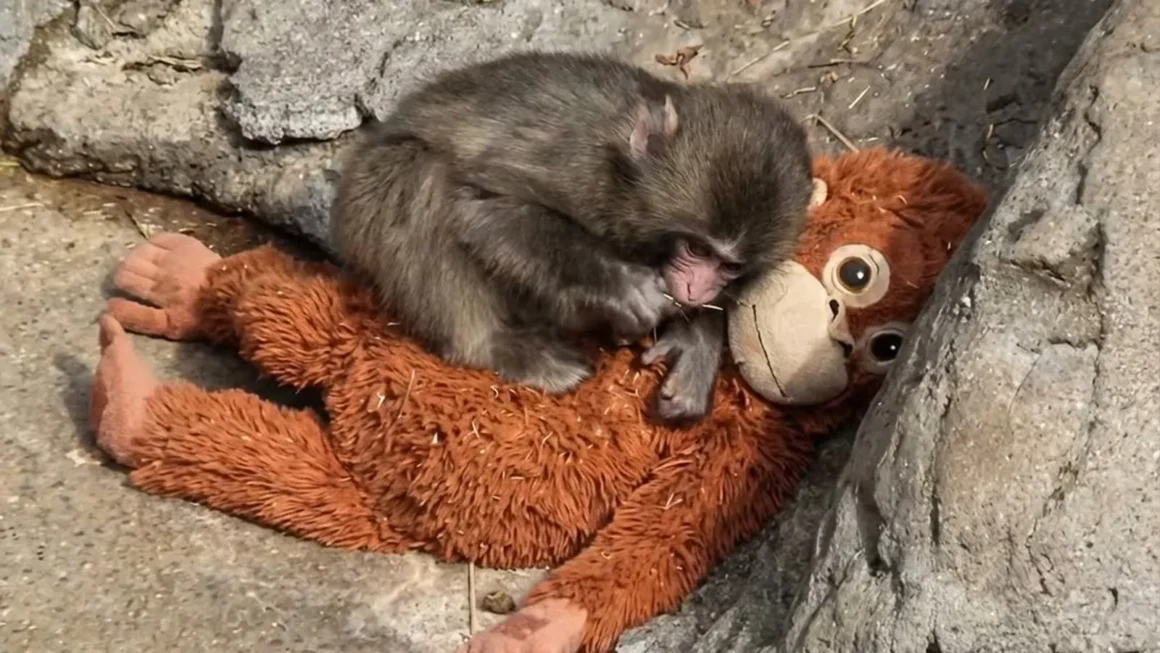
Known online as “Punch the Monkey,” the viral video spread rapidly across platforms, drawing millions of views and reactions. At first, it looked like another strange internet moment — brief, shocking, and easy to share. But as the clip circulated, the conversation around it began to shift.
What seemed like a quick viral hit soon raised deeper questions about animals, visibility, and the unintended consequences of attention.
How the Punch the Monkey Viral Story Spread So Fast
The Punch the Monkey viral story followed a pattern that has become familiar in the age of algorithm-driven content. A short, emotionally charged moment appeared online, quickly picked up by large accounts, and then replicated across feeds in slightly altered forms.
The name itself played a role. “Punch the Monkey” was simple, provocative, and instantly clickable. It didn’t require context to spread — and that lack of context made it travel even faster.
As the video moved across platforms, many viewers encountered it without knowing where it came from, what happened before, or what followed after.
When Animals Become Viral Content
Animal videos have always had a strong presence online. From playful pets to unexpected wildlife encounters, these clips often attract attention because they feel spontaneous and real.
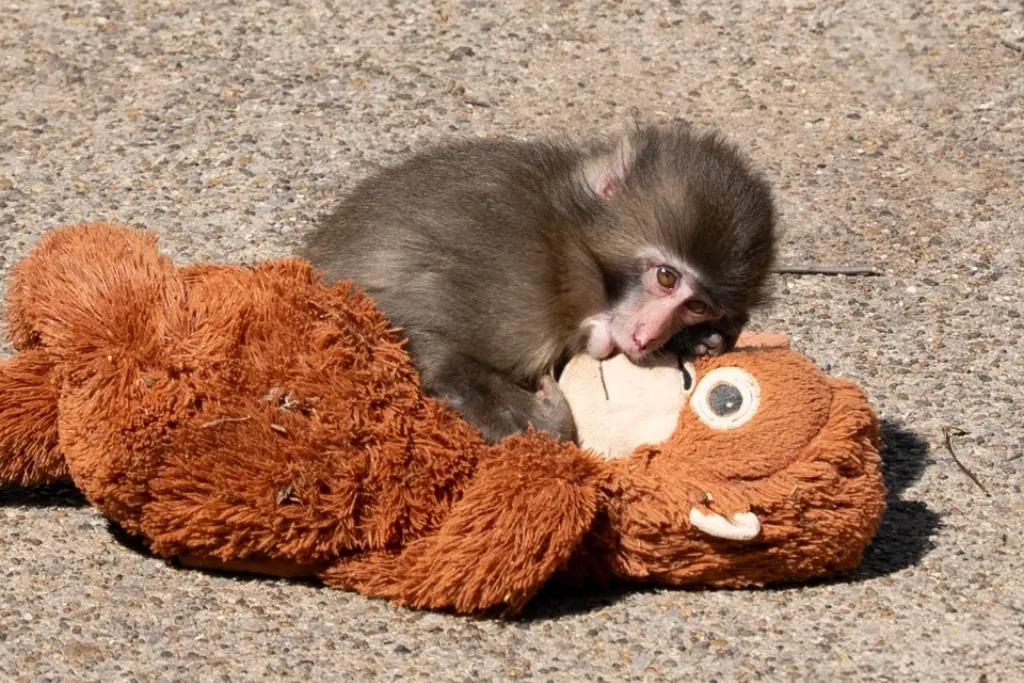
But the Punch the Monkey viral story highlights a more complicated side of that attention.
Without clear context, it becomes difficult to understand whether a moment involving an animal is harmless, staged, or potentially harmful. In this case, the ambiguity became part of the story itself.
Some viewers reacted with humor, while others expressed concern about the treatment of the animal. The same clip generated entirely different interpretations — all driven by incomplete information.
The Context Gap in Wildlife Virality
One of the key issues behind the Punch the Monkey viral story is what could be called the “context gap.”
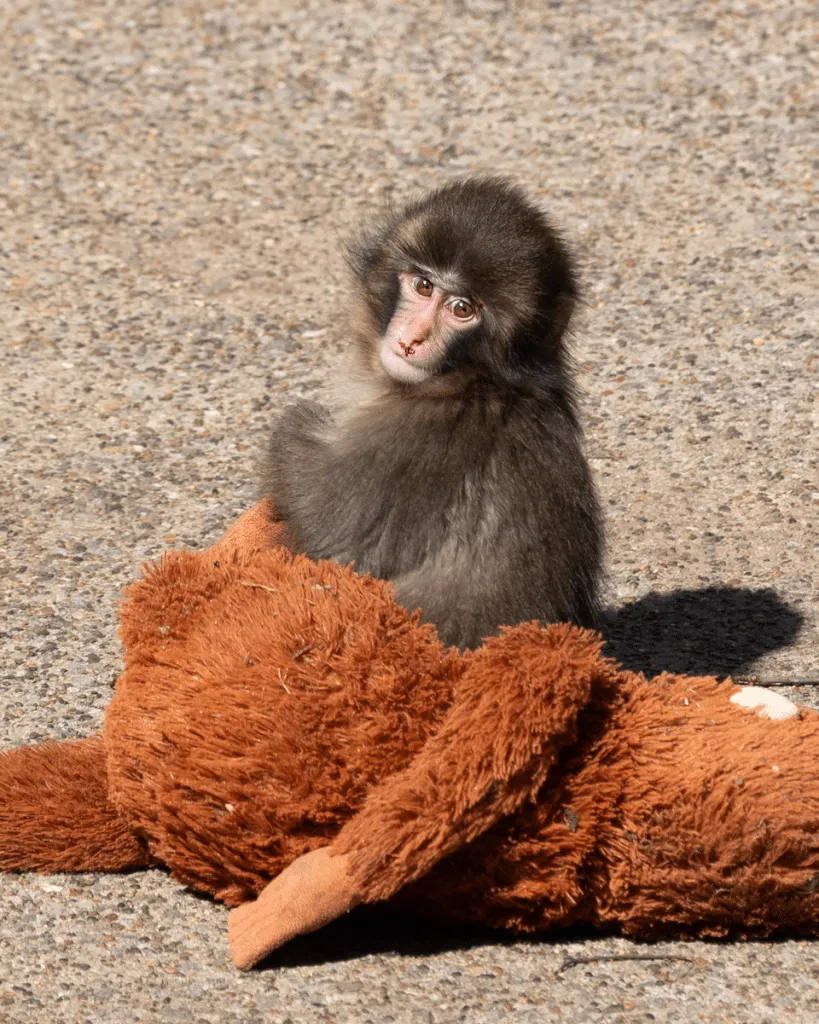
On social media, content often spreads faster than its explanation. By the time background details begin to surface — if they surface at all — millions of people have already formed their own conclusions.
This is especially sensitive when animals are involved. Wildlife and animal-related content carries ethical weight, but that weight can be lost when clips are reduced to a few seconds of shock or surprise.
The result is a loop where visibility increases, but understanding does not.
Why This Story Reflects a Bigger Pattern
The Punch the Monkey viral story is not just about one video. It reflects a broader pattern in how nature and wildlife appear online.
Moments involving animals are often framed as entertainment first, context second. That shift changes how people perceive real-world interactions with animals — sometimes reducing complex situations into simple reactions.
At the same time, audiences are becoming more aware. The discussion around this video shows that viewers are not only consuming content but also questioning it.
That shift matters. It suggests that viral culture is slowly being met with a more critical eye, especially when it intersects with the natural world.
In the end, the story is less about what happened in a single clip and more about how quickly meaning can be shaped — and reshaped — once nature enters the algorithm.
➡️ You can explore more stories like this in our Nature section.

