
The Moon flyby carried the wonder. The return carried the proof that NASA’s crewed lunar system could bring astronauts home from deep space.

Artemis II was never supposed to be remembered only as a beautiful trip around the Moon. It was built as a systems test with people on board. NASA’s first crewed Artemis mission launched on April 1 and ended on April 10, when Orion brought Reid Wiseman, Victor Glover, Christina Koch, and Jeremy Hansen safely back to the Pacific after a nearly 10-day journey around the Moon and back.
The mission did not end at the Moon
The lunar pass was the emotional center of the mission. Artemis II became the first crewed lunar flyby in more than 50 years, and during that phase the astronauts also set a new human-distance record, reaching 252,756 miles from Earth. NASA said the crew photographed the far side of the Moon, documented terrain features, and returned images that turned the mission into something more than a procedural test.
Yet the architecture of the mission always pointed back to Earth. NASA’s press kit and mission visualizations make clear that Artemis II followed a free-return trajectory, using the Earth-Moon gravity system to guide Orion home naturally after the flyby. That design is elegant, but it only matters if the spacecraft can finish the job where the public usually feels the stakes most clearly: re-entry, descent, splashdown, and recovery.
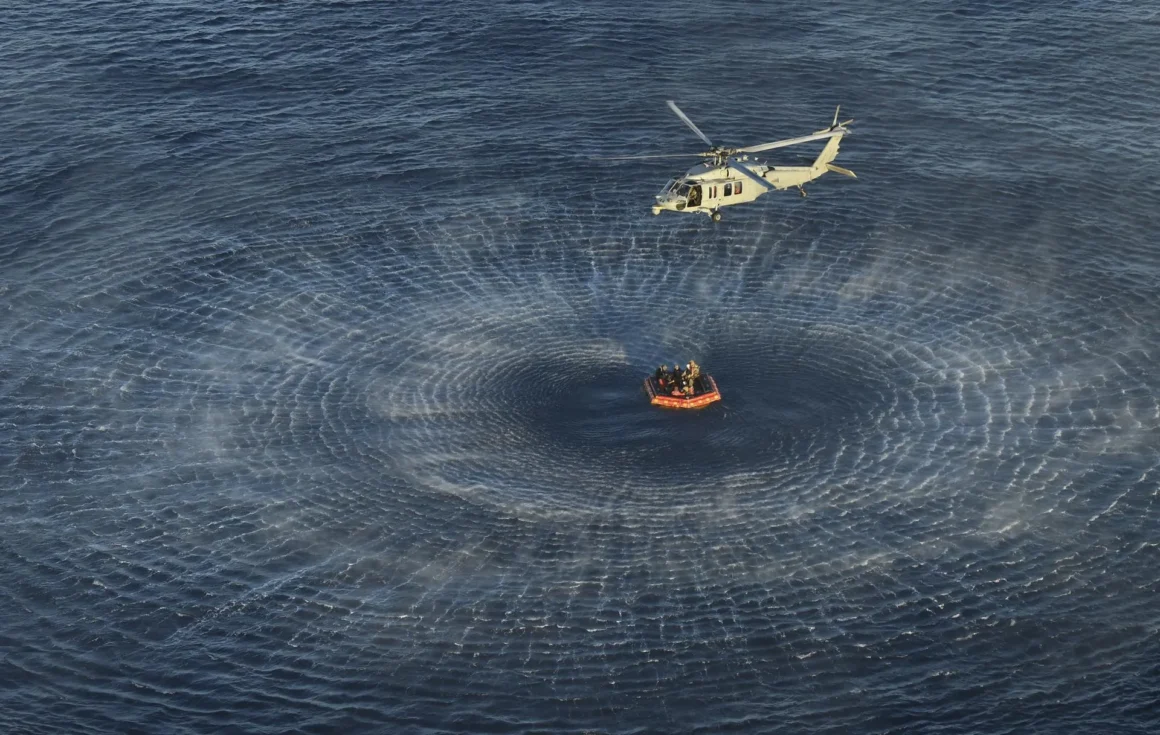
Coming home was the real proof
That is why the final day feels bigger than a victory lap. NASA’s timeline showed Orion separating its crew and service modules before entry, aligning its heat shield, and hitting entry interface while still 400,000 feet above Earth. The agency’s live updates then tracked the most unforgiving minutes: communications blackout, drogue parachute deployment, main parachute deployment, and finally splashdown at 5:07 p.m. PDT off the coast of San Diego.


In editorial terms, this is the deeper story. Plenty of missions can generate awe. Far fewer can prove that the hardware, sequencing, recovery choreography, and human operations all work together after deep-space exposure. Orion had to do more than survive the Moon. It had to bring a crew home cleanly enough to keep NASA’s larger lunar campaign credible. NASA’s own Artemis II overview frames the mission as a key step toward a long-term return to the Moon and future missions to Mars, which makes the safe ending more than symbolic. It is operational evidence.
Why this splashdown matters beyond one mission
A successful return also changes the emotional shape of Artemis. The Apollo comparison is inevitable, but Artemis II does not land its importance through nostalgia alone. It turns distant ambition into something testable. The Moon flyby showed what human exploration can still look like. The return showed whether NASA’s modern deep-space system can close the loop with astronauts aboard.
That makes this splashdown feel less like the end of a chapter and more like a qualification round passed under real conditions. The far side photos will travel widely. So will the record-distance milestone. Still, the most durable signal from Artemis II may be simpler: NASA sent people out, pushed Orion through its hardest homecoming sequence, and got them back. For a Moon program trying to earn its future step by step, that is the part with the most weight.
➡️ Follow Poziwibe Technology for more stories where the biggest breakthrough is not just getting somewhere new, but proving the return can hold.

