
A fossil once labeled as the oldest octopus fossil is no longer considered an octopus. New imaging revealed structures that place it in a different lineage, shifting the origin of octopuses to a later point in time.
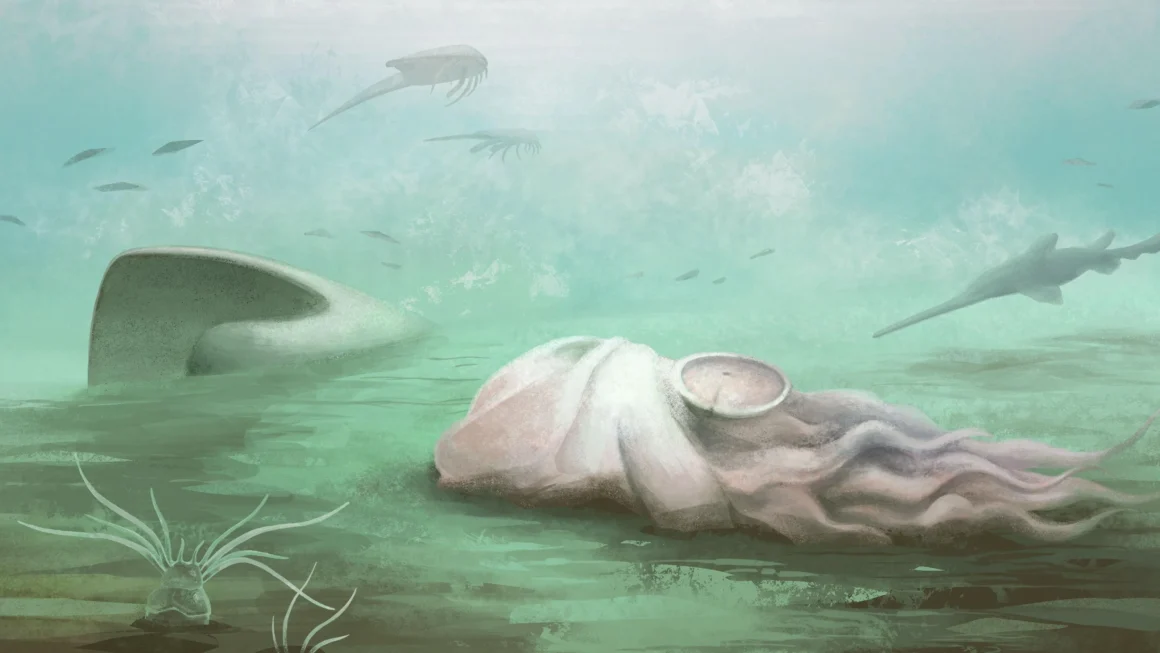
For years, Pohlsepia mazonensis stood as a 300-million-year-old octopus from Illinois. Its shape suggested arms and body features consistent with early octopuses, and that interpretation became part of how the group’s evolutionary timeline was understood.
That classification no longer holds.
New scans using synchrotron imaging exposed internal details that were not visible before. Inside the fossil, researchers identified a radula — a ribbon-like feeding structure lined with small teeth. The number and arrangement of these teeth do not match octopuses. Instead, they align with nautiloid relatives.
The fossil now sits outside the octopus lineage.
A shape shaped by decay
The octopus-like appearance came from the condition of the body before fossilization. The animal had been decomposing for weeks before it was buried, altering its structure. That altered form was preserved in rock, carrying features that resembled an octopus.
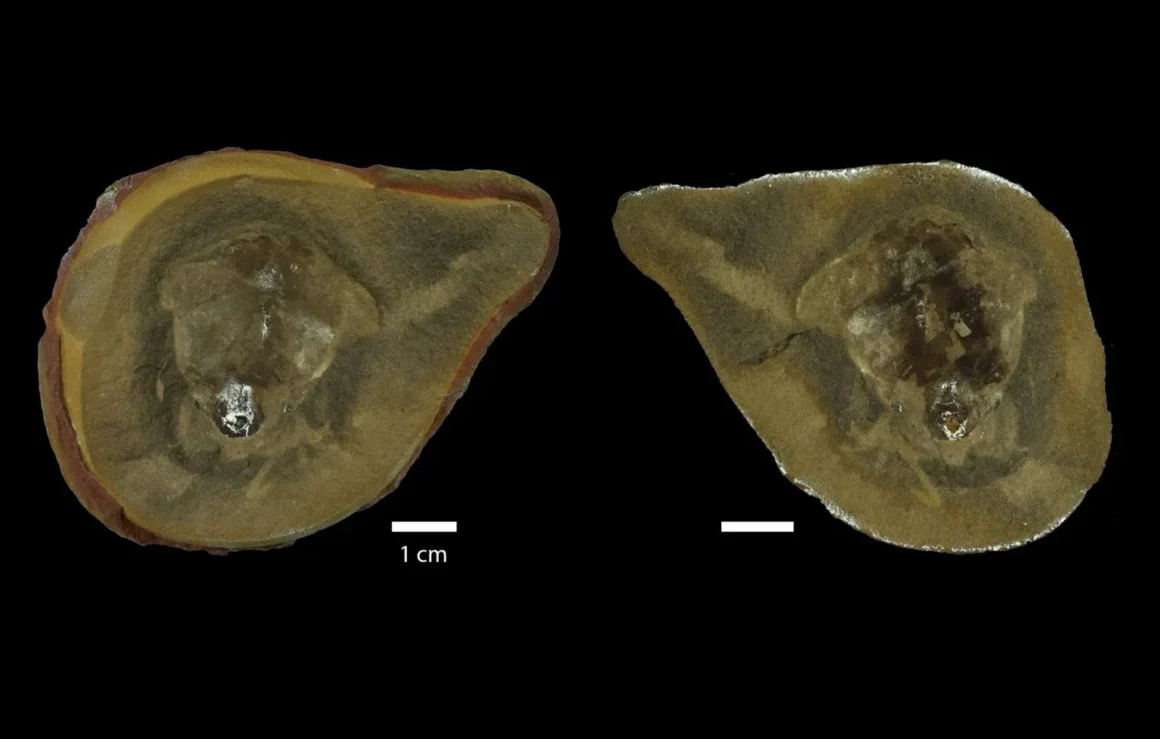
The new imaging separates those surface impressions from the internal anatomy.
The teeth pattern shows at least 11 structures per row. Octopuses typically show seven or nine. Nautiloids show higher counts, and the fossil’s pattern closely matches known specimens such as Paleocadmus pohli, found at the same site.
A tighter octopus timeline
With Pohlsepia removed, the early extension of octopus history collapses. The previous timeline had pushed octopus origins back by around 150 million years. Without this fossil, that extension no longer stands.
Octopuses now reappear later, within the Jurassic.
The fossil remains significant, but in a different way. It becomes one of the earliest known examples of preserved soft tissue from a nautiloid, rather than an outlier octopus.
The change does not expand the story. It narrows it.
And in that narrower version, the timeline becomes clearer.
➡️ This kind of fossil revision shows up on Poziwibe in Nature.

