
The OpenAI Sora app shutdown marks a sharp change in the company’s AI video story. Not long ago, Sora looked like one of OpenAI’s most public-facing creative bets. It promised fast, social, mobile-friendly AI video.
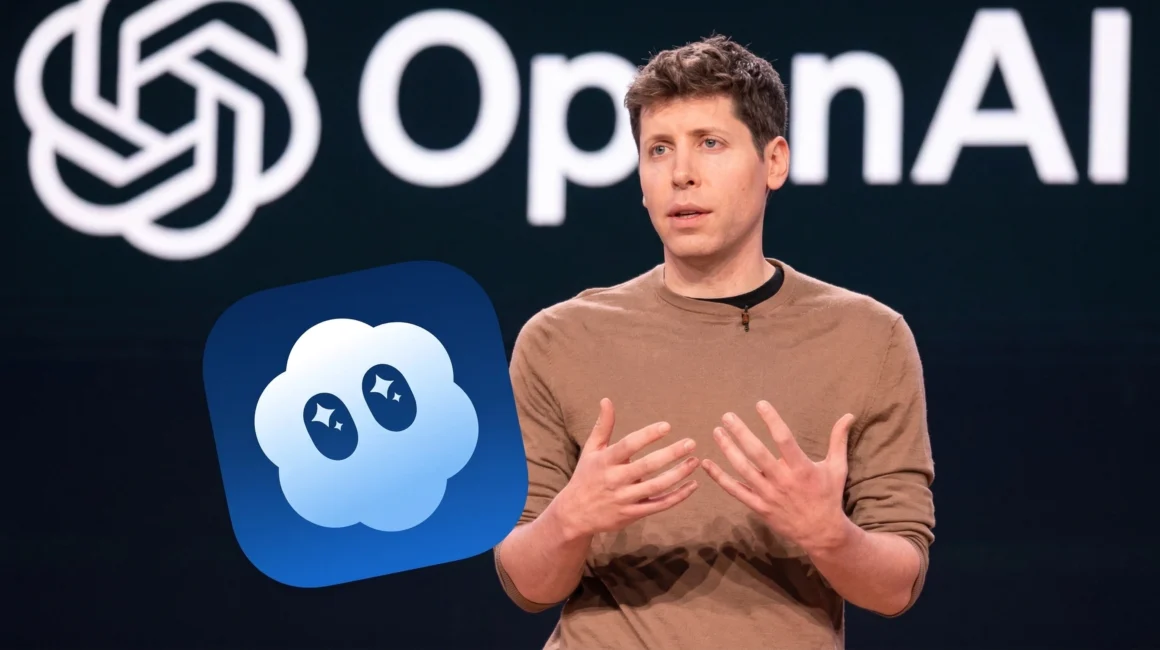
Now that chapter is closing. Both the Associated Press and Reuters reported on March 24 that OpenAI is winding the app down, even as the company had still been updating parts of the Sora experience days earlier.
That contrast is what makes this story worth discovering. Tech products shut down all the time. However, most do not disappear right after fresh feature updates and active rollout signals. In OpenAI’s case, the move feels less like routine cleanup and more like a visible strategic turn.
The Real Signal Behind Sora’s Exit
The timeline tells the story. On March 19, OpenAI’s Sora release notes announced a new editor for iOS and web, with Android “coming soon.” Then, on March 24, OpenAI’s own API deprecations page said the Videos API and multiple Sora 2 model aliases would be removed on September 24, 2026. That is a fast shift from expansion to retirement.
OpenAI had already started narrowing the product before this week’s reports. Its Sora 1 Sunset FAQ says Sora 1 stopped being available in the United States on March 13, with Sora 2 becoming the default experience there. The same FAQ also says data export for old Sora 1 creations may only remain available for a limited time.
That matters because it shows the shutdown did not come from nowhere. The platform had already begun to contract. Even so, the public story around Sora still suggested momentum. That is why the app’s exit lands as a reset, not a quiet fade.
What the OpenAI Sora App Shutdown Suggests
The cleanest reading is not that OpenAI suddenly lost interest in video. It is that the company is becoming more selective about what kind of AI products it wants to carry forward. Reuters reported that OpenAI is refocusing on other priorities, including coding tools, enterprise demand, and broader AI deployment. Reuters also reported that the shift surprised some employees and came amid concerns about cost and long-term fit. That reporting has not been fully detailed in OpenAI’s public product documentation, so it is best treated as reported context rather than confirmed internal reasoning.
Still, the broader pattern is clear. The AI industry spent the last two years proving what it could generate. Now it has to prove what it can sustain. Flashy demos can win attention. Viral tools can shape culture. Yet those wins only last if the product also fits a company’s business model, safety posture, and infrastructure reality.
In that sense, this is bigger than one app. Sora helped symbolize the spectacle phase of generative AI. The OpenAI Sora app shutdown may now symbolize the next phase instead: fewer grand experiments, more discipline, and harder choices about what stays alive.
➡️ Follow Poziwibe’s Technology coverage for more stories that explain where AI is headed once the hype gives way to strategy.

