
Rescuers found more than 250 poodle-cross dogs at one UK property. Yet the more meaningful part came after that, as rescue teams moved the animals to safety and opened the door to new homes.
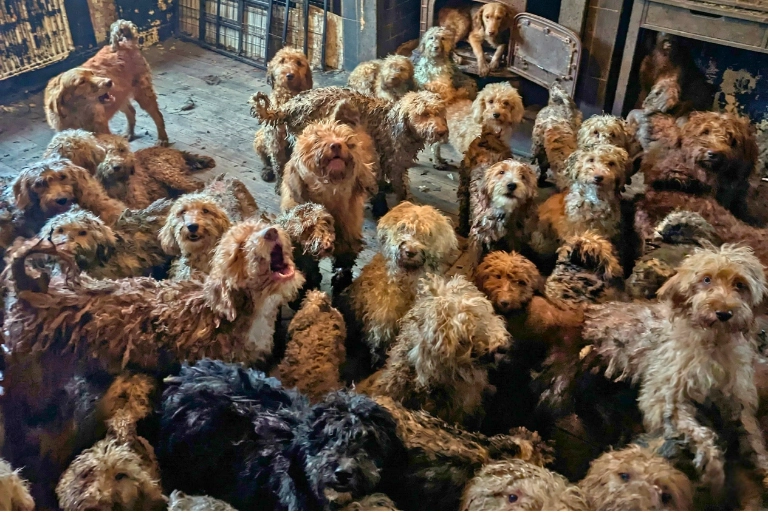
The sheer scale of the case grabbed attention first. The RSPCA took in 87 dogs, while Dogs Trust took the rest. RSPCA stands for the Royal Society for the Prevention of Cruelty to Animals, a charity in England and Wales.
The image shocked viewers so much that some thought AI had made it. The RSPCA addressed that reaction directly in its official update and confirmed that the photo was real. That mattered for more than one reason. It verified the image, and it also turned public attention toward something more useful: urgency, support, and the long work of recovery.
The real turning point was the rescue response
The most visible part of the case was the overcrowded room. However, the more meaningful part came after that. The dogs were no longer left inside a situation that had spiraled out of control. Instead, they were taken into the care of major rescue organizations. That shift is where the hopeful side begins. It marks the moment when a case defined by overwhelm starts to move toward recovery.
The RSPCA also made clear that this was not only about one distressing image. The charity said multi-animal incidents involving at least 10 animals at one address have risen sharply since 2021, and it responded to 4,200 such incidents last year. Even so, its public message was not only about pressure. It was also a practical appeal for adoption, rehoming, and support for animals already making their way through the system.
Stevie and Sandy give the case a different emotional center
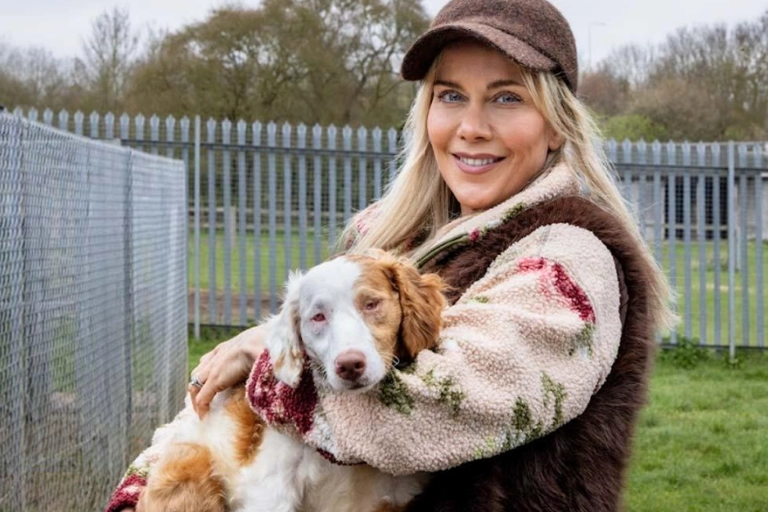
The most uplifting part of the official update is the pair the RSPCA chose to highlight: Stevie and Sandy. Stevie, a cream cocker spaniel, is blind and deaf. Sandy, a standard poodle crossbreed, has become her guide. They are being rehomed through the RSPCA’s Southridge Animal Centre and need to be adopted together. Staff also said Stevie can still enjoy a happy, fulfilled life with the right home, and they praised how adaptable she has been.
That detail changes the emotional register of the piece. Instead of ending with shock, the focus shifts to trust, adjustment, and companionship. It becomes less about how bad one room looked and more about how recovery can begin one bond at a time. That is a stronger Poziwibe angle because it keeps the scale of the rescue visible while still giving readers something emotionally constructive to hold onto.
Adoption is where the hopeful angle becomes practical
The RSPCA’s Find a Pet, How to adopt a pet, and dog adoption guide all make that positive turn concrete rather than abstract. The charity explains that adopters move through matching, applications, meetings, and final checks, with support built into the process. It also says animals are neutered, microchipped, and vaccinated where appropriate before rehoming.
That gives the article a stronger closing than outrage alone ever could. Every successful adoption does two things at once: it gives one rescued animal a future and helps create space for the next intervention. The most hopeful way to frame this case is not to deny how serious it was. It is to show how rescue work turns crisis into possibility, one placement at a time.
Primary visual sources you can use
For a more hopeful featured image, I would prioritize the official Southridge Animal Centre listings, where Stevie and Sandy appear among the dogs currently being rehomed. That visual choice supports the second-chance angle much better than the overcrowding image.
For a harder-news in-body image or contextual secondary visual, use the RSPCA’s official press update on the rescue. That page contains the image that triggered the reaction online, but it carries a sensitive-content warning.
For practical outbound links inside the article, the cleanest primary-source options are the RSPCA’s Find a Pet hub, adoption process guide, and dog rehoming guide.
➡️ Follow Poziwibe Nature for more animal coverage that highlights rescue, recovery, and the real work behind second chances.

